

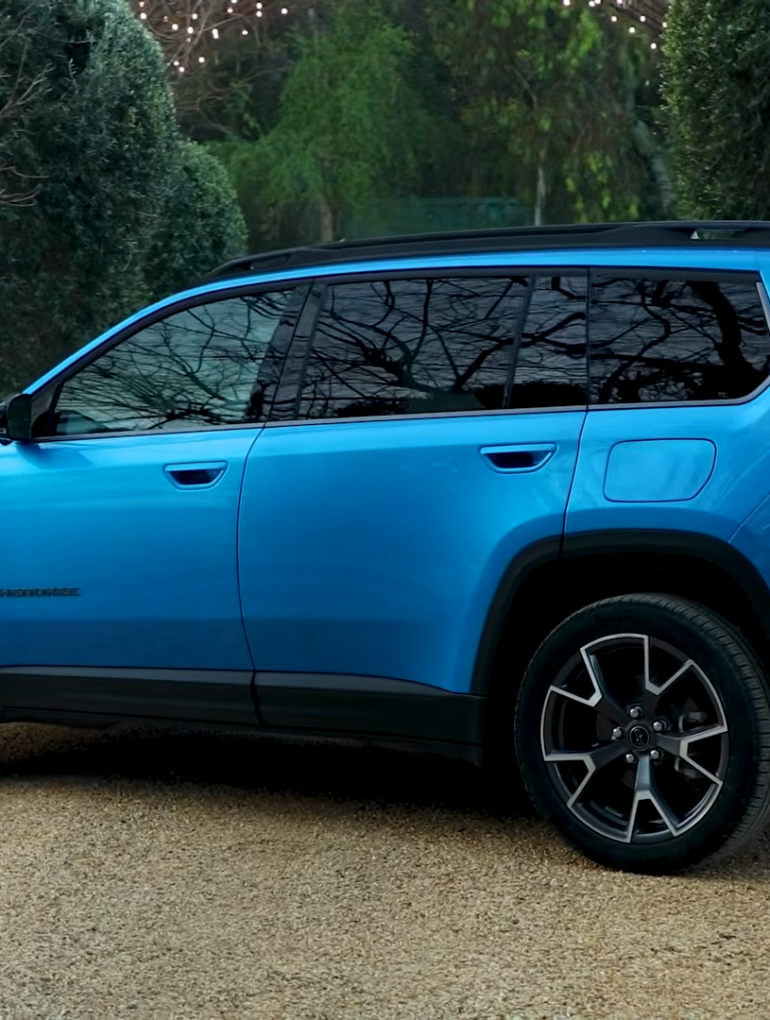
You are looking at the return of a name that helped shape the SUV market. When this model first appeared decades ago, it set the tone for the modern crossover. I find it surprising that it left such an important segment, but now it comes back for 2026 with a new hybrid setup and a clear focus on efficiency.
You get a turbocharged 1.6-liter engine paired with two electric motors inside a continuously variable transmission. The system makes 210 horsepower and 230 lb-ft of torque, and it aims to balance power with fuel savings. The ride feels soft, the steering lacks feedback in normal driving, and road noise shows up at highway speeds, yet the cabin looks refined and offers more cargo space than before.
Key Takeaways
- You get a hybrid powertrain that focuses on fuel efficiency and balanced performance.
- You see more cargo space, updated tech, and a refined interior design.
- You pay a higher price, but the model returns to a key SUV segment with room to grow.
Jeep Cherokee Legacy and Market Impact
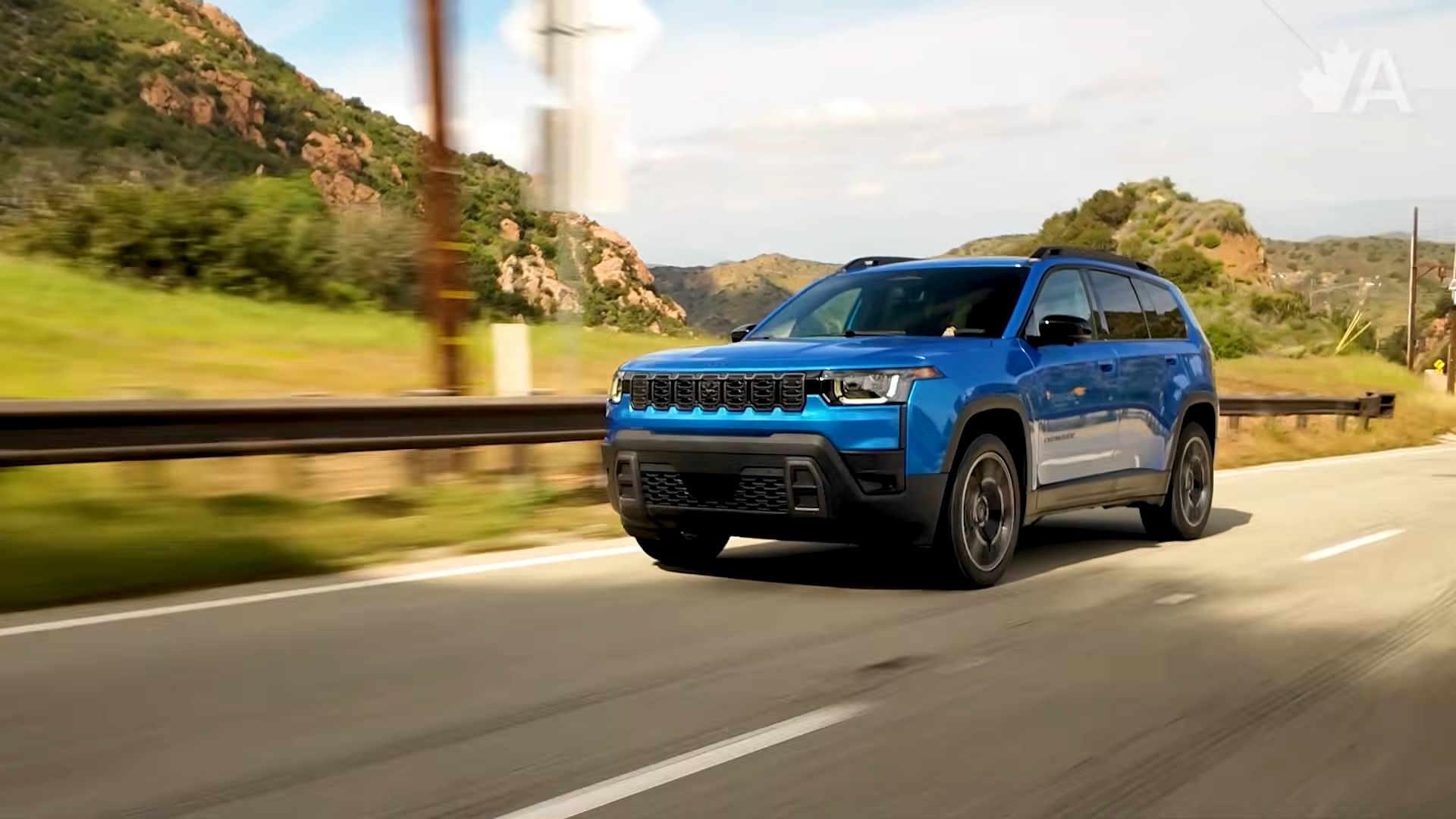
Roots That Shaped the SUV Market
You look at the Cherokee and see one of the vehicles that shaped the modern SUV. When it arrived in 1984, it used a unibody design and felt easier to drive than a Wrangler.
That layout helped define what crossovers would become. Models like the Toyota RAV4 and Honda CR-V followed the path it set.
You also see how strange it was when Jeep dropped it a few years ago. This size of SUV leads the North American market in volume and competition. Letting it disappear left a gap in the brand’s core lineup.
Growth of the Small SUV Class
You can’t ignore how important this segment is. Pickups sell well, but small crossovers move huge numbers and face many rivals.
This new Cherokee grows in almost every direction:
- About 5 inches longer overall
- Roughly 6.5 inches more wheelbase
- 952 liters of cargo space behind the second row (up from about 730 liters before)
You don’t gain more rear legroom on paper. In fact, it drops by about an inch. Still, the cabin feels wider, and you get more hip and shoulder space. Even at 6’4″, you can sit behind yourself without trouble.
Buyers asked for more cargo room, better efficiency, and more tech. This version delivers those things with a hybrid system, a 12.3-inch screen, and updated safety features.
Stellantis Product Direction
You see this vehicle as a sign of where Stellantis stands. The brand talks about SUV heritage, so bringing Cherokee back matters for survival.
This time, you get a hybrid setup:
| Spec | Detail |
|---|---|
| Engine | 1.6L turbocharged four-cylinder |
| Electric Motors | Two, inside the CVT |
| Output | 210 hp / 230 lb-ft |
| Fuel Use | 6.4 L/100 km combined (claimed) |
The system keeps a mechanical drivetrain and can disconnect to run in front-wheel drive for better efficiency. It competes closely with other hybrids in this class.
You may notice throttle lag when you press the pedal. The suspension feels soft, and the steering lacks feedback in normal modes. Sport mode improves feel slightly.
Pricing starts around $42,000 CAD and climbs to about $56,000 CAD for the Overland trim. That places it in a competitive but costly range.
The model rides on the STLA platform, which also supports the electric Dodge Charger. That flexibility leaves room for future gas, plug-in, or fully electric versions.
2026 Jeep Cherokee Powertrain and Hybrid Technology
How the Hybrid Setup Works
You get a turbocharged 1.6-liter four-cylinder engine paired with two electric motors. Jeep places both motors inside the continuously variable transmission.
This design uses a dual-motor layout like Toyota, but it keeps a mechanical connection to the wheels. Unlike Toyota’s rear electric motor setup, this system still relies on a traditional driveline.
It can disconnect and run in front-wheel drive to save fuel. That gives you a mix of electric support and mechanical drive, depending on the situation.
Power, Driving Feel, and Fuel Use
The system delivers 210 horsepower and 230 lb-ft of torque. On paper, those numbers match most rivals in this class.
When you press the throttle, you will notice a delay before the power responds. You have to wait a moment when you ask for quick acceleration.
Jeep focuses on fuel savings first. The brand quotes 6.4 L/100 km combined, which keeps it competitive with most hybrids this size. The Toyota RAV4 Hybrid does slightly better, but others fall in a similar range.
The ride feels soft and somewhat floaty. In normal and comfort modes, the steering feels numb, especially at low speeds.
Switch to Sport mode, and the steering firms up a bit. You get a better sense of where the front wheels point.
On the highway, you will hear more wind, road, and tire noise than expected for a hybrid.
How It Stacks Up Against Rivals
You compete directly with vehicles like the Toyota RAV4 Hybrid, Honda CR-V Hybrid, and Ford Escape Hybrid.
The Cherokee matches them in output and stays close in fuel economy. The RAV4 Hybrid edges it out in efficiency.
Unlike Toyota’s electric rear setup, this Jeep keeps a mechanical system that can switch to front-wheel drive for better economy. That gives you a different approach compared to some competitors.
Price starts at about $42,000 CAD before tax and climbs to $56,000 CAD for the Overland trim. That places it firmly in the same range as other well-equipped hybrid crossovers.
Driving Experience and Handling
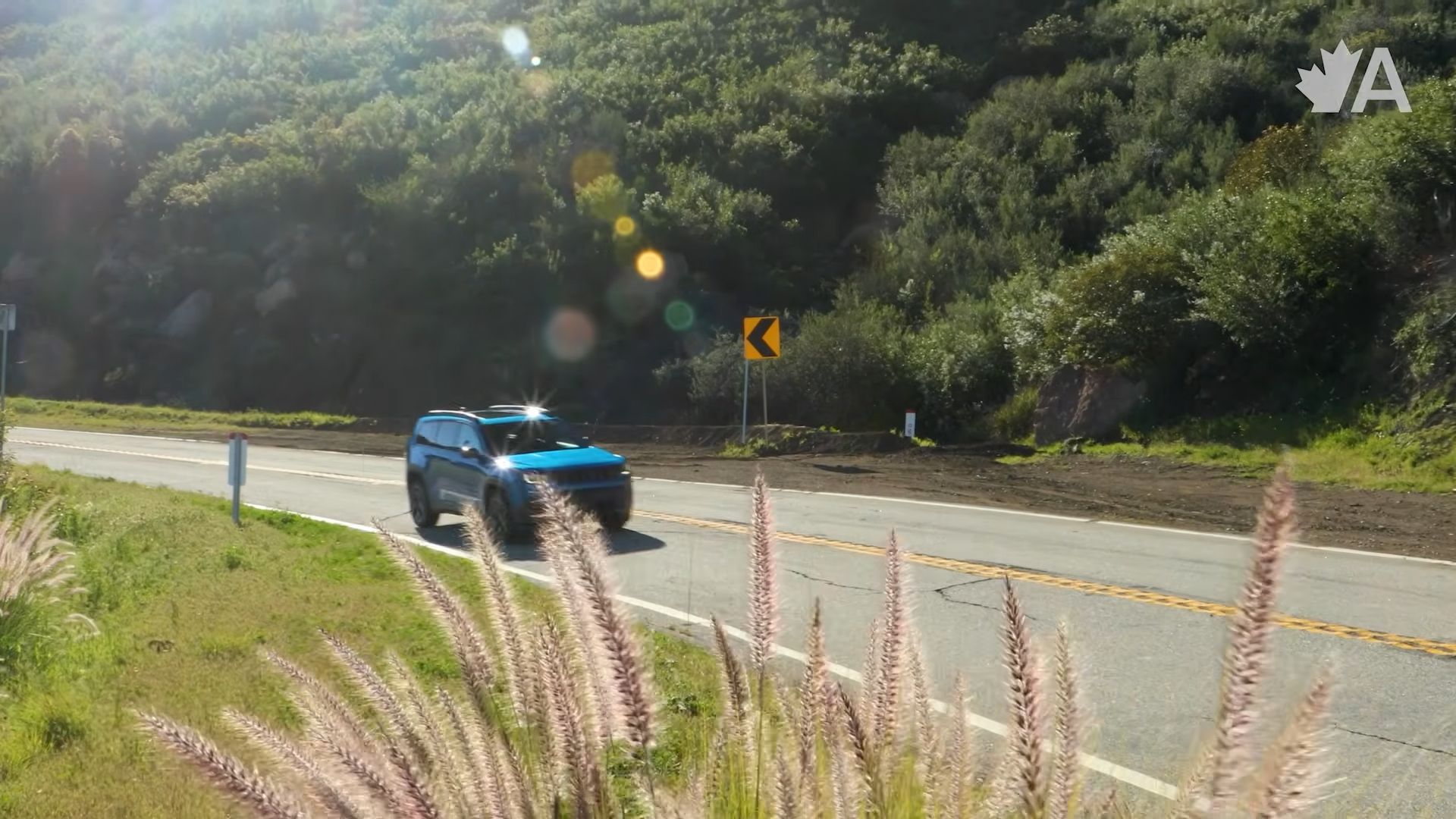
The hybrid setup gives you 210 horsepower and 230 lb-ft of torque. On paper, that looks strong for this class.
When you press the gas, you notice a delay. The engine and motors take a moment to respond, so quick bursts of speed feel muted.
You can run in front-wheel drive to save fuel, or use the full system when needed. The focus stays on efficiency, with a claimed 6.4 L/100 km combined.
Ride Quality and Suspension Feel
The suspension feels soft.
At times, the body moves more than you expect over dips and bumps. It can feel slightly floaty, especially on uneven roads.
This setup leans toward comfort, but it does not feel tight or controlled when the road gets rough.
Steering Response and Feel
In Comfort or Normal mode, the steering feels very light.
You do not get much feedback through the wheel. During low-speed turns or parking, it can be hard to sense where the front wheels are pointed.
Switch to Sport mode and the steering firms up slightly. You gain a better sense of direction, which makes it easier to place the vehicle.
Cabin Sound at Speed
You hear more road and wind noise than expected for a hybrid.
On concrete highways, tire noise stands out at cruising speeds. The cabin stays usable, but it does not feel especially quiet for this type of vehicle.
Cost and Available Versions
Starting Cost
- About $42,000 CAD before taxes
- Offered in five trims
You start at roughly $42,000 in Canada. From there, the price climbs as you move up through the lineup.
Highest Version Highlights
- Overland trim
- Around $56,000 CAD before taxes
- 12.3-inch touchscreen
- Low-set dashboard design
- Advanced safety technology
The model I’m driving is the Overland. It tops out near $56,000 before tax. You get a bright 12.3-inch display that sits low on the dash, which keeps it out of your line of sight. The interior feels upscale, and the tech package is strong.
What You Get for the Money
You pay more than some rivals, so value matters. This hybrid setup gives you a combined rating of 6.4 L/100 km, which stays competitive in this class.
You also get 952 litres of cargo space behind the second row. That is a clear increase over the last version. Even though rear legroom is slightly tighter on paper, you still fit comfortably if you are tall.
You are paying a solid amount, especially in the top trim. In return, you get better efficiency, more cargo space, updated tech, and a hybrid powertrain as standard.
Exterior and Interior Design
Exterior Styling and Size
You see a larger Cherokee this time around. It stretches about five inches longer than before, and the wheelbase grows by roughly six and a half inches.
That added length gives you more cargo space. Behind the second row, you now get 952 liters, up from about 730 liters in the past model.
The look may not win everyone over, but it feels modern and fits the brand’s SUV image.
Cabin Layout and Comfort
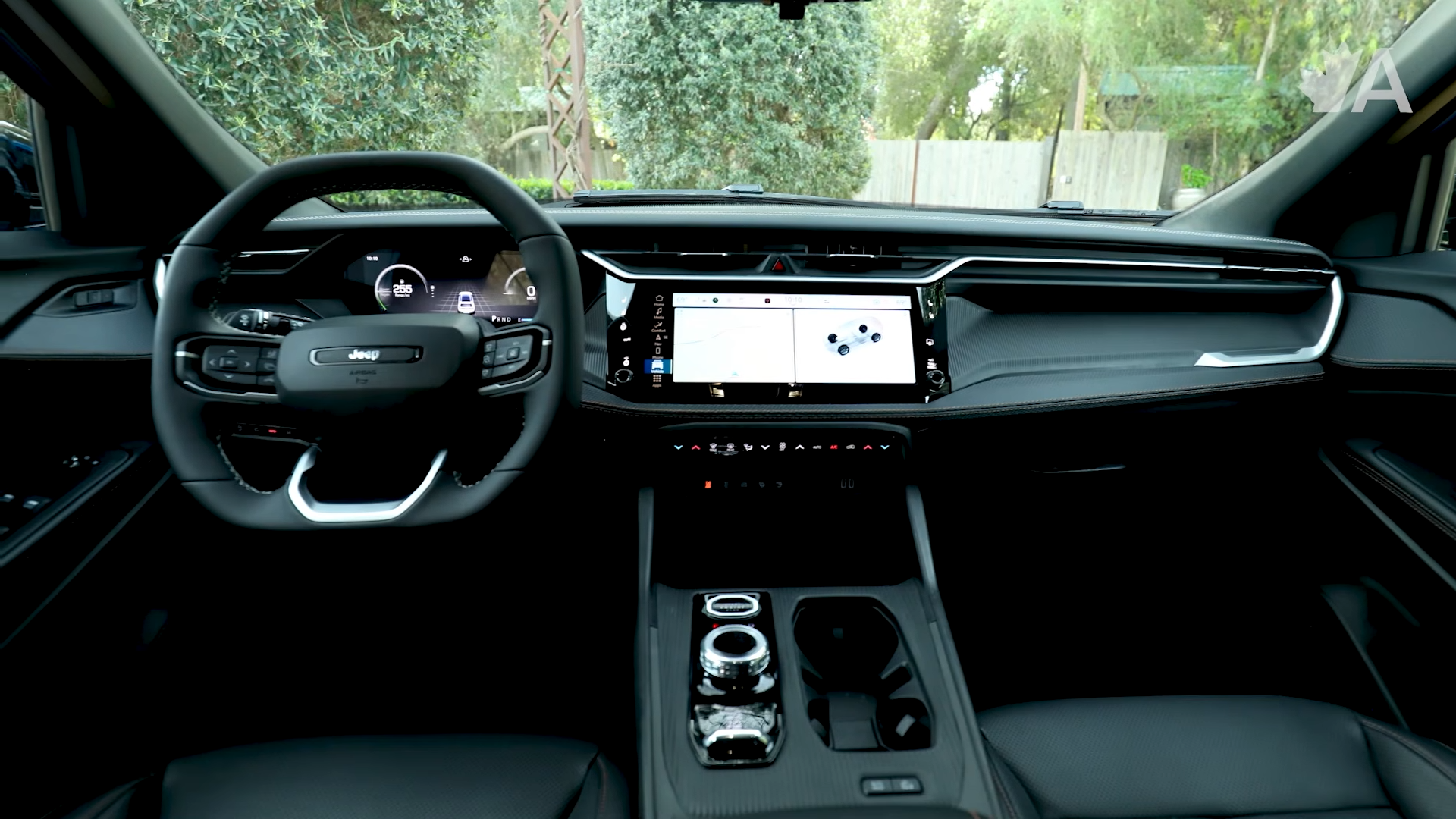
Inside, you notice how low the dashboard sits. It reminds you of the larger Wagoneer, with a wide and open feel.
You do not get extra rear legroom. In fact, there is about an inch less on paper. Still, you can sit behind a six-foot-four driver without trouble.
You gain more shoulder and hip room, which makes the cabin feel wider. The focus clearly sits on cargo space and overall usability.
Infotainment and Digital Displays
You get a 12.3-inch touchscreen mounted low in the dash. It looks bright and clear.
The screen stays out of your direct line of sight. That placement helps reduce distraction while driving.
You also get a full set of advanced safety systems. The added technology meets what buyers expect in this segment.
Steering Wheel Shape and Feel
The steering wheel stands out right away. It has a flat bottom, a flat top, and even flat sections on the sides.
It looks sharp, but it feels very thick in your hands. The grip feels bulky, almost like holding an oversized sports club handle.
That heavy rim makes it harder for you to feel fully settled behind the wheel.
Dimensions and Practicality
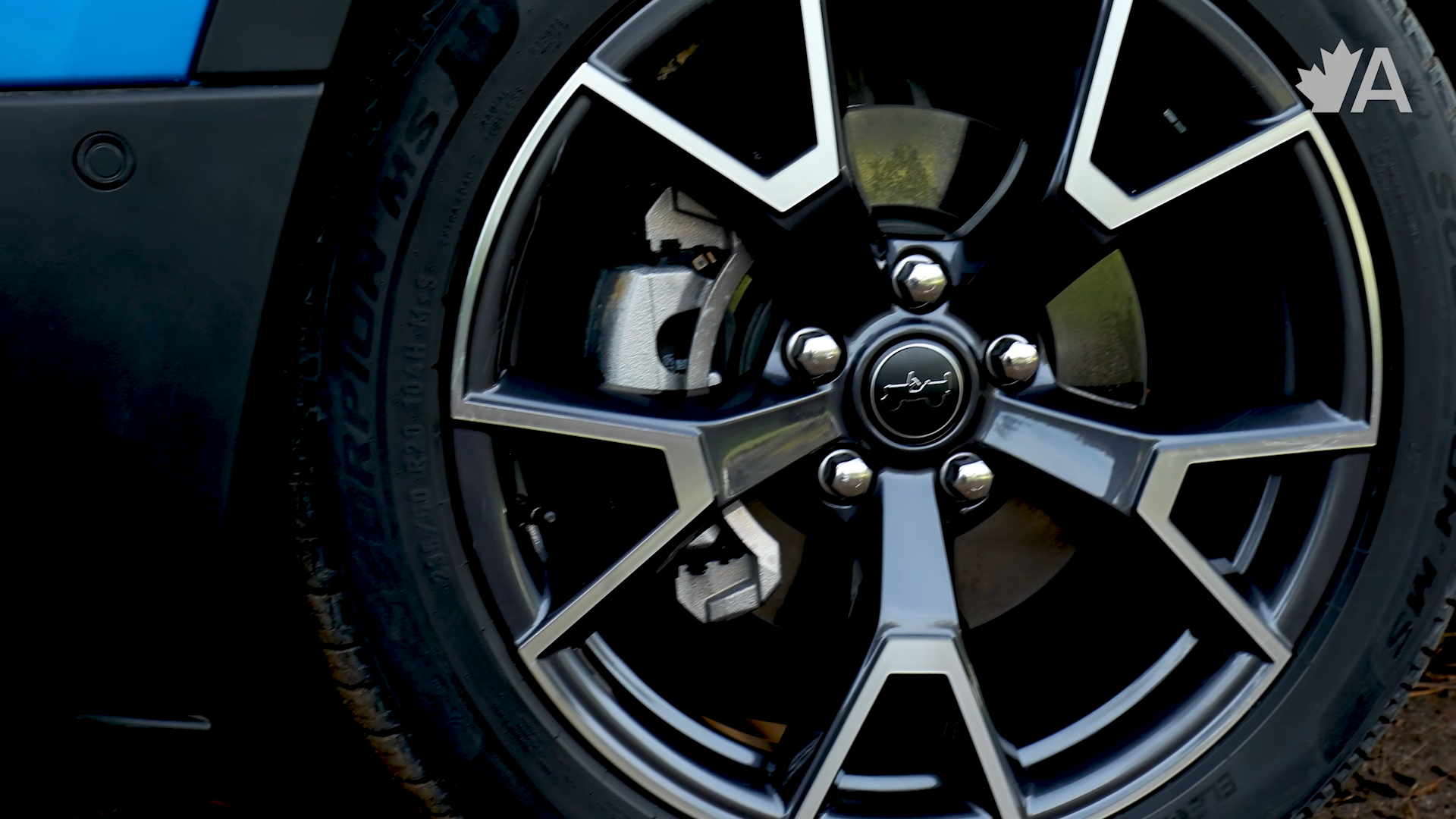
Larger Exterior Footprint
You get a bigger Cherokee in almost every way. This new model stretches about five inches longer from front to back.
The wheelbase grows by roughly 6.5 inches, which helps with stability and interior packaging. It clearly follows the trend of compact SUVs getting larger with each redesign.
Expanded Storage Capacity
Cargo space improves in a big way. Behind the second row, you now get 952 liters of space.
That is up from about 730 liters before. If you asked for more usable room for gear, groceries, or luggage, this version delivers it.
Cabin Room and Seating Feel
Rear legroom does not increase. In fact, it drops by about one inch on paper.
Still, the cabin feels wider. You get more shoulder and hip room, which makes a difference when you sit back there.
If you are tall, you can still fit. At 6’4″, you can sit behind your own driving position without trouble, even if the numbers do not look impressive at first glance.
Customer-Focused Upgrades
Improved Hybrid System and Efficiency
You get a 1.6-liter turbocharged four-cylinder engine paired with two electric motors built into the CVT. This setup keeps a mechanical drivetrain but can switch to front-wheel drive to improve fuel use.
Output sits at 210 horsepower and 230 lb-ft of torque. You may notice a delay when you press the gas pedal, but this system focuses on saving fuel, not quick bursts of speed.
Jeep rates it at 6.4 L/100 km combined, which puts it in line with most hybrids in this class.
Larger Cargo Area and Cabin Space
You now have 952 liters of cargo space behind the second row. The previous version offered about 730 liters, so this is a clear increase.
The new model is about five inches longer, with a wheelbase stretched by roughly 6.5 inches. That growth improves storage space and overall cabin width.
Rear legroom drops slightly on paper, but you still fit comfortably in the second row, even at six foot four. You also gain more hip and shoulder room.
Modern Safety Features and Interior Technology
You get a 12.3-inch touchscreen that sits low on the dash. The placement keeps it bright and easy to read without blocking your view.
The cabin design feels more refined, with a lower dashboard that improves forward visibility. You also have access to a wide range of advanced driver assistance features.
These updates respond directly to what buyers asked for: better efficiency, more space, and stronger tech.
Future Outlook for Jeep Cherokee
You now see the Cherokee back where it belongs. This model helped shape the small SUV market, and it never should have left such a key segment.
This new version runs with a turbocharged 1.6‑liter four‑cylinder engine and two electric motors built into a CVT. You get a combined 210 horsepower and 230 lb‑ft of torque. It can disconnect to front‑wheel drive to save fuel, but it still keeps a mechanical setup for the rear.
Fuel use is rated at 6.4 L/100 km combined. That puts it close to most rivals in this class.
You should know what to expect from the drive:
- Noticeable delay when you press the throttle
- Soft suspension with some body movement
- Light steering in normal mode
- Better steering feel in sport mode
- Some road and wind noise at highway speed
Size also moves forward. It grows about five inches longer, and the wheelbase stretches by about 6.5 inches.
| Key Change | What You Get |
|---|---|
| Longer body | More cargo space |
| Wider cabin | More hip and shoulder room |
| New platform | Flexibility for future powertrains |
Cargo space rises to 952 liters behind the second row. Rear legroom does not increase, but you can still sit comfortably in the back, even if you are tall.
Inside, you get a 12.3‑inch touchscreen set low in the dash. The layout feels clean and modern. Advanced safety features come standard across the lineup.
Pricing starts around $42,000 CAD and climbs to about $56,000 CAD for higher trims.
You also see room to grow. This platform can support other setups, which opens the door to more gas, plug‑in, or even full electric versions later. That flexibility matters as Jeep works to stay competitive in this high‑volume class.