

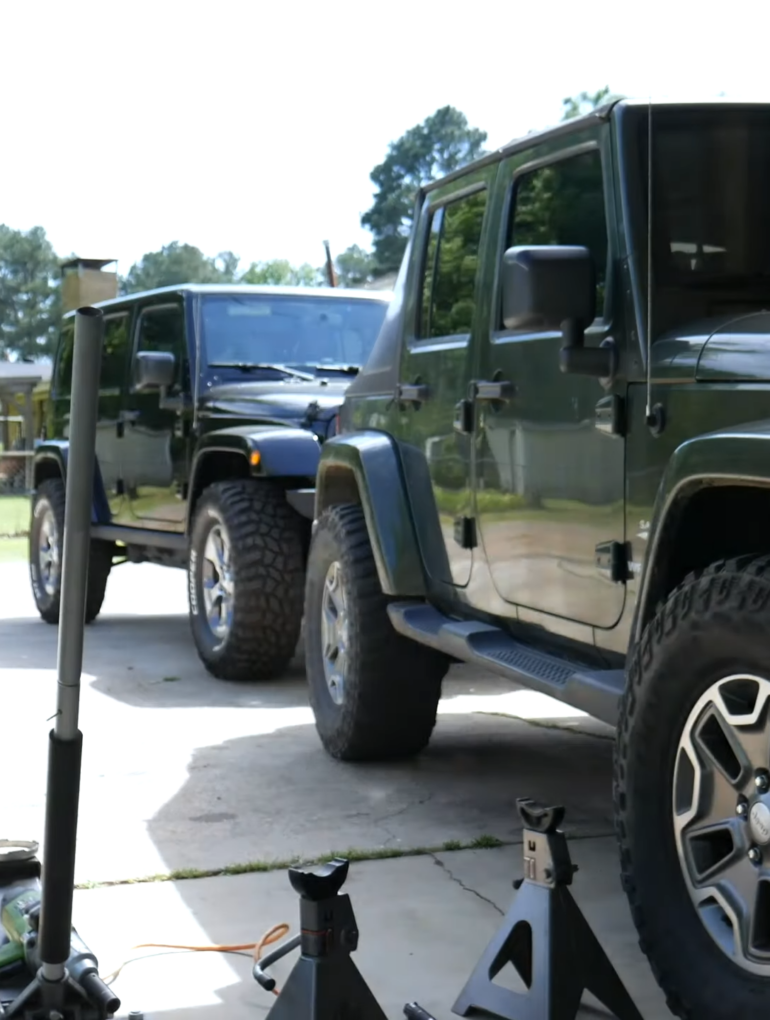
Testing how much noise different Jeep Wrangler JK tops produce can show how design and materials affect the driving experience. In this comparison, both a soft top and a hardtop version of the Wrangler were driven at several speeds to measure sound levels from wind and tires. The goal was to identify how these tops perform under everyday driving conditions and over time, especially when using older components.
By measuring decibel readings at multiple speeds and swapping tires for fair results, the test offered consistent insights into how each top handles road and wind noise. These findings help drivers choose the right setup for their comfort and driving habits.
Key Takeaways
- The test compared sound differences between soft and hard Jeep tops.
- Tire condition and speed strongly affected the noise levels.
- The hardtop proved quieter at higher speeds, while both tops performed similarly at lower speeds.
Overview of Jeep Wrangler JK Tops
Durability of the Bestop Trektop NX Soft Top
The 2008 Jeep Wrangler JK in this test used a Bestop Trektop NX soft top that had been on the vehicle since 2016. This setup provided a look at how a soft top holds up after years of use, not just when new. The fabric still sealed well, but it allowed more wind noise at higher speeds, especially above 70 mph.
Noise tests were done at 25, 55, and 75 mph, and results showed that at lower speeds, sound levels between the soft and hard tops were nearly the same. At freeway speeds, the soft top let in noticeable whistling and wind resistance, making long drives louder. Still, under 65 mph, it offered a comfortable experience for daily driving.
Key points:
| Test Speed | Sound Difference | Comfort Level |
|---|---|---|
| 25 mph | Minimal | Normal conversation possible |
| 55 mph | Slightly louder than hardtop | Manageable |
| 75 mph | Significant wind noise | Requires raised voices or headphones |
OEM Hardtop Noise Control and Materials
The 2016 Jeep Wrangler JK used a factory hardtop featuring a felt-lined headliner designed to reduce cabin noise. This addition made the hardtop noticeably quieter than the soft top at highway speeds, though both allowed tire noise to pass through. The Jeep remained livable for conversation, even at 75 mph, though it was still louder than most standard passenger vehicles.
Tests confirmed that tire noise played a large role in interior sound. After swapping the same tires between vehicles, the difference in noise insulation came primarily from the tops themselves. The hardtop’s structure and headliner provided steadier noise control, especially in crosswind conditions.
Notable features:
- Factory felt headliner for sound dampening
- Consistent decibel levels between 55–75 mph
- Lower wind intrusion at high speeds compared to the soft top
Comparing Soft Top and Hardtop Noise Levels
Noise Measurement Approach
He tested two Jeep Wrangler JK Unlimited models to compare sound levels between a soft top and a hardtop. The soft top, a 2008 model with a Bestop Trektop NX installed in 2016, had seen several years of use. The hardtop, a 2016 model, included the factory headliner designed to reduce interior sound.
He used a smartphone app to record decibel readings at 25, 55, and 75 miles per hour. The readings helped track how each top performed at different speeds and how wind and road noise changed with speed increases.
Audio Capture Arrangement
The phone was mounted in the rear seat at head height to measure decibels from the passenger area. A camera and external microphone were placed in the front seat to record what riders would actually hear.
This setup produced two forms of data:
- Numeric decibel readings for measurable comparison.
- Audio clips for listening tests to evaluate tone and noise quality.
Controlled Conditions
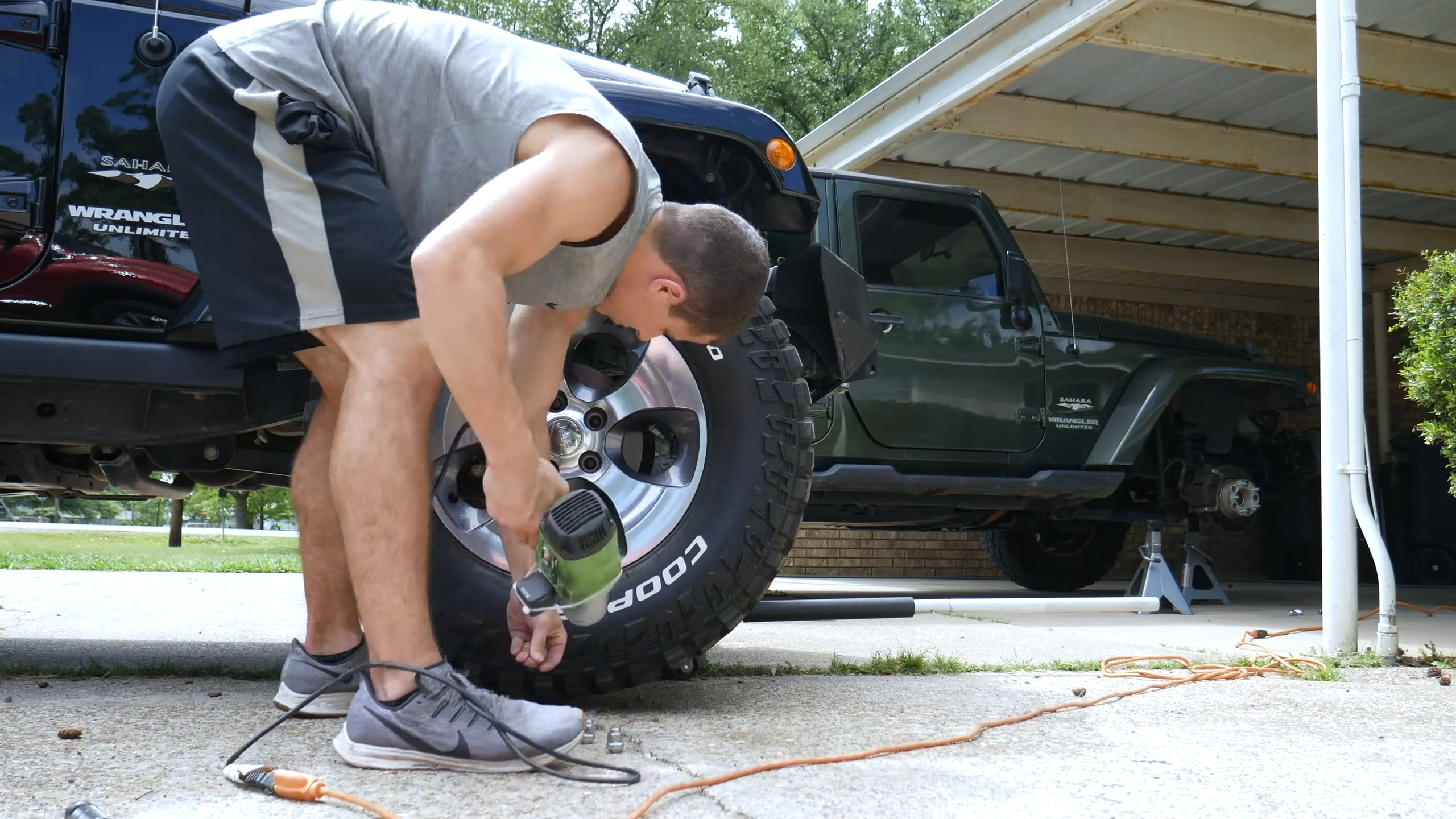
To make results reliable, both Jeeps used the same set of tires. The soft top Jeep’s older Cooper SCT Pro tires were moved to the hardtop Jeep to keep tire noise consistent.
Other key controls included:
| Factor | Control Method |
|---|---|
| Speed | Tested at 25, 55, 75 mph |
| Tires | Same used tires on both Jeeps |
| Recording Devices | Identical phone app and microphone setup |
By keeping these factors consistent, differences in sound could be traced mainly to the type of roof rather than other variables.
Wind and Road Sound Levels by Driving Spee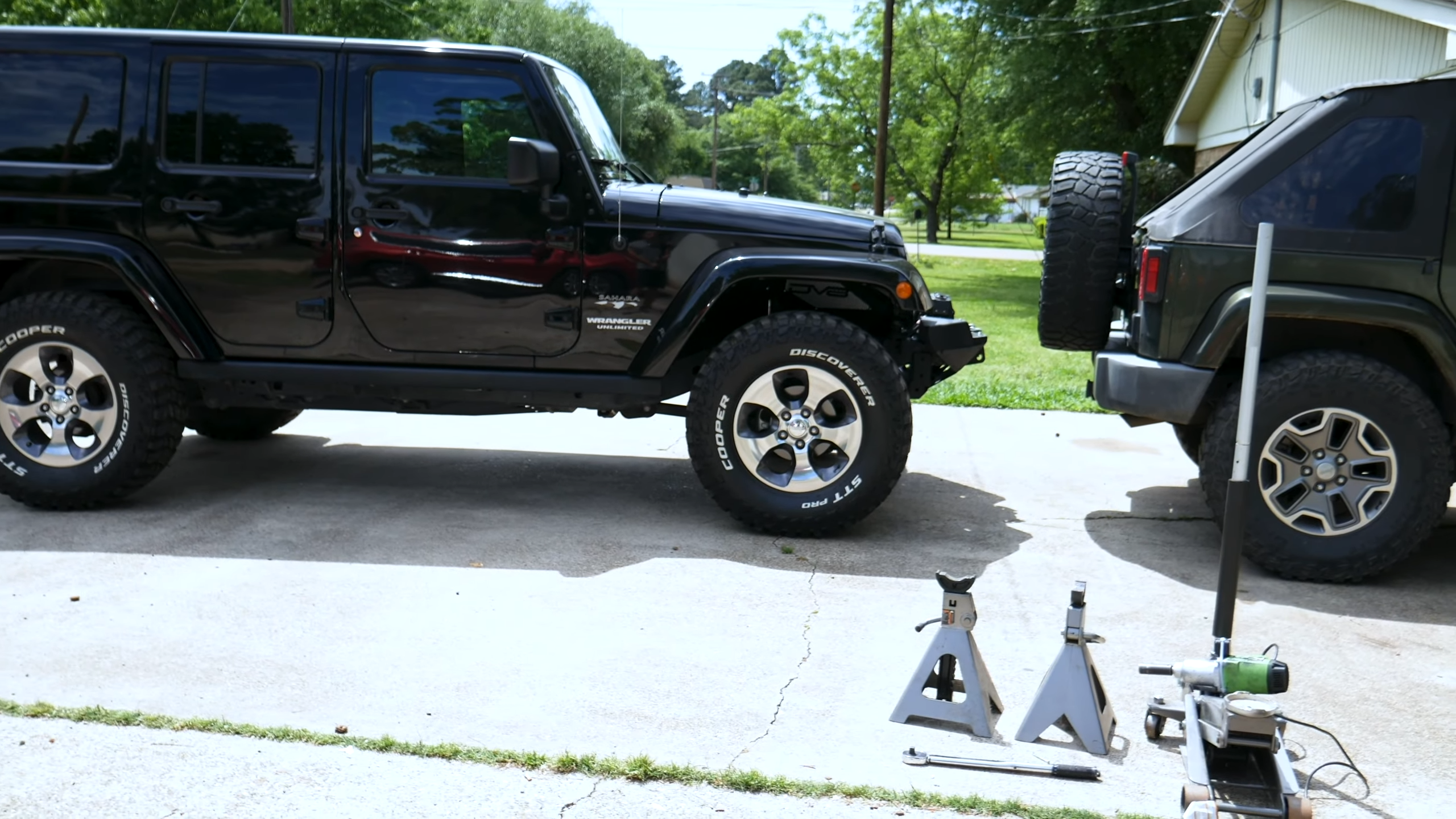
Results at 25 MPH
At 25 miles per hour, both the soft top and the hardtop Jeeps sounded nearly identical.
Small bumps or interior noises often covered any wind or road noise.
| Top Type | Average Volume | Notes |
|---|---|---|
| Soft Top | Slightly higher but variable | Normal cabin noises masked differences |
| Hardtop | Lower average but similar variation | No major advantage at low speeds |
Conversation levels stayed normal, and neither top showed a clear noise disadvantage in city driving.
Results at 55 MPH
At 55 miles per hour, both tops let in tire sounds that dominated the cabin noise. The hardtop allowed a little less wind noise, but tire hum still came through strongly.
Key Observations:
- Both tops allowed similar tire noise.
- The soft top produced more wind noise around window edges.
- Normal conversation was still possible, though slightly louder voices were needed.
| Factor | Soft Top | Hardtop |
|---|---|---|
| Wind Noise | Moderate | Low |
| Tire Noise | High | High |
| Speech Comfort | Fair | Good |
Findings at 65 MPH and Above
At highway speeds, differences became clear. The soft top started to whistle at 70 mph and above, especially when driving into the wind. The hardtop stayed stable, with sound levels similar to those at 55 mph.
Comparison Summary:
- Soft Top: Noticeable whistle and wind roar after 70 mph.
- Hardtop: Minor increase in sound; still allows normal coversation.
- Comfort: Long drives at 75+ mph favor the hardtop due to reduced fatigue from noise.
| Speed Range | Soft Top Behavior | Hardtop Behavior |
|---|---|---|
| 65–70 MPH | Rising wind sounds | Stable sound level |
| 75+ MPH | Loud whistling | Manageable wind noise |
Drivers seeking quiet highway travel benefit more from the hardtop, while those who drive mainly under 60 mph find both tops comparable in sound levels.
Tire Choice and Its Impact on Nois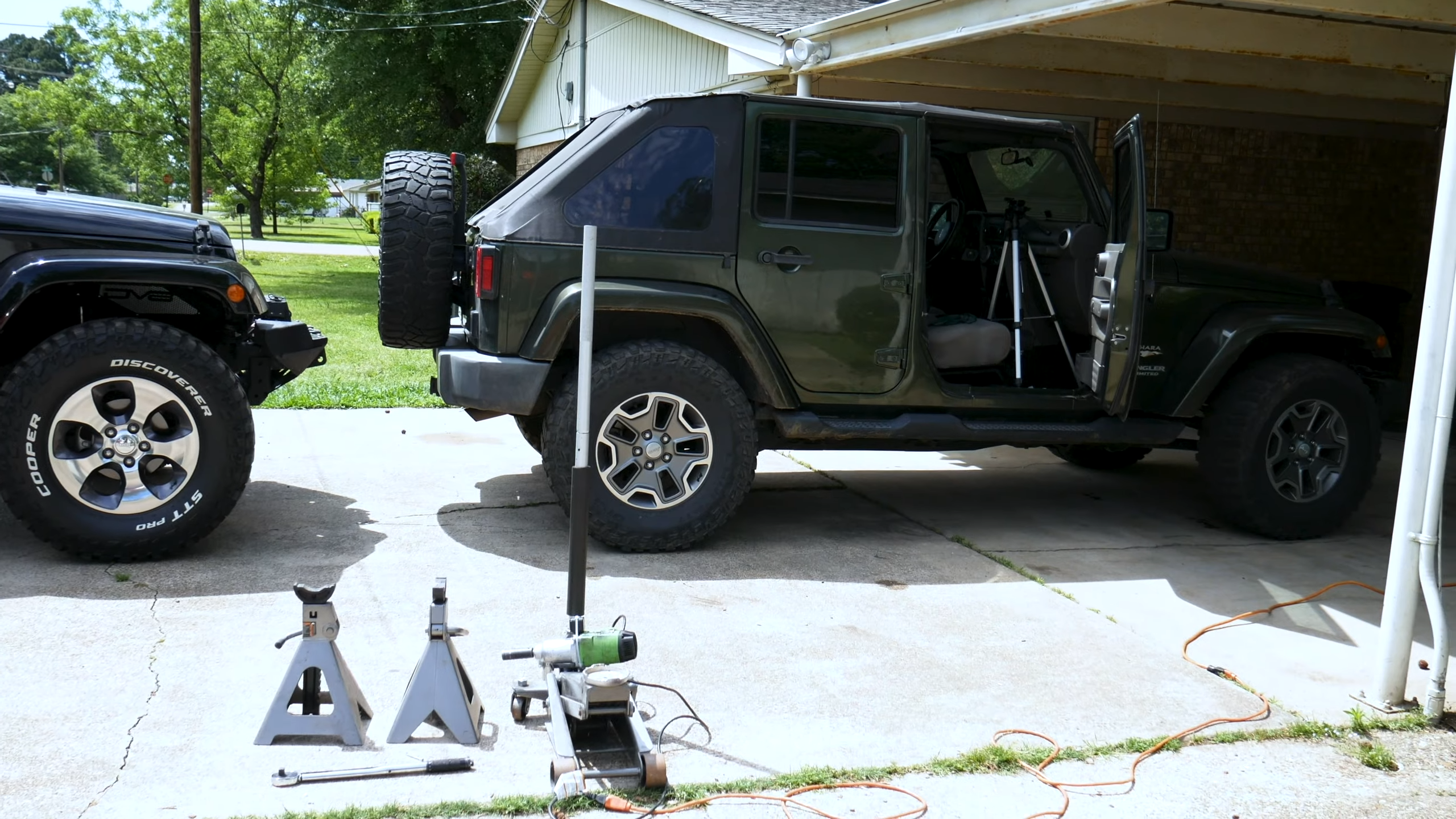
Tire Replacement Test Setup
Before comparing sound levels, the team switched the tires between the two Jeeps to make the test fair. The soft-top Jeep had older Cooper STT Pros that were two years old and already loud. The hardtop Jeep used newer six-month-old STT Pros, which produced less road noise.
To remove this difference, they moved the older tires onto the hardtop Jeep. This setup allowed the sound comparison to focus on how each top—soft versus hard—affected noise, not how the tire condition did. Both vehicles were then driven at 25, 55, and 75 mph, and sound levels were recorded using a phone and microphone positioned inside the cabin.
| Jeep Top Type | Tire Age | Tire Model | Purpose of Test |
|---|---|---|---|
| Soft Top | 2 years | Cooper STT Pro | Baseline noise test |
| Hard Top | 6 months | Cooper STT Pro | Initial comparison |
| Hard Top (with old tires) | 2 years | Cooper STT Pro | Equalized test |
Findings on Tire Sound
During the road tests, both Jeep tops allowed tire noise to pass into the cabin. At 25 mph, the difference was small because overall noise levels were low. By 55 mph, tire hum became more noticeable, and both tops let in similar amounts of sound. This showed that neither roof type offered strong insulation from tire noise.
At highway speeds (75 mph), the top design affected wind and overall cabin tone, but the tires remained the main noise source. Even with the hardtop installed, the driver could still hear tire vibration clearly, though conversation remained possible. The tests suggested tire type and wear had as much impact on cabin noise as the roof itself.
Personal Experience and Insights
Experience with Soft Cover Over Time
He used a Bestop Trektop NX on a 2008 Wrangler since 2016. After four years, the fabric and seals still held up, but the sound levels changed with speed.
- At 25 mph: Hardly any difference from a hard cover.
- At 55 mph: Tire noise dominated both setups, making the difference small.
- At 75 mph and above: Wind noise from the soft cover became much stronger, including noticeable whistling around the edges.
He found that tire choice mattered more than expected, so he used the same tires on both vehicles to keep the test fair.
| Speed (mph) | Sound Difference | Notes |
|---|---|---|
| 25 | Minimal | Street noise more noticeable than wind |
| 55 | Low | Both tops allow tire noise in |
| 75+ | High | Wind whistling increases sharply |
Switching to the Hard Cover
After installing a factory hard cover with headliner on a newer Wrangler, he noticed only a small change in everyday driving noise. Up to 55 mph, the noise reduction was slight. Above 70 mph, the hard cover kept a steadier decibel level, making long highway trips more comfortable.
He observed that even the hard cover was not as quiet as a standard car, but it allowed easier conversation at high speed without needing earplugs or headphones. For frequent fast driving or carrying passengers, the hard cover proved the more practical option.
Pros and Cons of Soft Top Versus Hardtop
Soft tops and hardtops each bring their own strengths and weaknesses when used on a Jeep. The comparison mainly focuses on sound levels, comfort, and practicality during daily use.
Key differences in noise levels:
| Speed (mph) | Soft Top Noise Level | Hardtop Noise Level | Notes |
|---|---|---|---|
| 25 | Slight difference | Slight difference | Both tops handle low-speed city driving well. |
| 55 | Slightly louder | Slightly quieter | Tire noise dominates; wind noise starts to build with soft top. |
| 75 | Noticeably louder | More controlled | Soft top whistling increases; hardtop provides calmer ride. |
At slower speeds, both tops perform similarly in volume. Around 55 mph, drivers may notice the soft top allowing more wind sound, though conversations are still possible. The difference becomes clear above 70 mph when the soft top begins to whistle heavily, making highway driving tiring.
The hardtop stays more consistent and allows easier conversation even at higher speeds. It still lets in some tire noise but holds an advantage in long-distance comfort. Many drivers prefer using a soft top for summer flexibility and switching to a hardtop for winter when more insulation and quiet are needed.
Final Recommendations
After measuring interior noise at different speeds, the results show clear differences between the two tops. At 25 mph, both the soft top and hardtop performed similarly. Sounds from the road and tires dominated, and neither setup provided a major advantage.
By 55 mph, tire noise overwhelmed both setups, though the hardtop allowed slightly easier conversation. The soft top introduced a bit more wind noise but remained usable for daily driving.
At 75 mph, the contrast became clear. The soft top produced strong whistling and wind resistance, while the hardtop stayed consistent and allowed for normal speech inside the cabin. The hardtop did not create a silent cabin, but it provided less strain for longer highway trips.
Recommendation Summary
| Driving Situation | Best Option | Notes |
|---|---|---|
| City driving (≤ 25 mph) | Either | Noise difference minimal |
| Moderate speeds (≈ 55 mph) | Either | Slight advantage to hardtop |
| Highway (≥ 70 mph) | Hardtop | Noticeably quieter ride |
For drivers who stay below highway speeds most of the time, the soft top offers good value and flexibility. Those who spend more time at higher speeds or travel often with passengers may prefer the reduced wind noise and steadier comfort of the hardtop.