

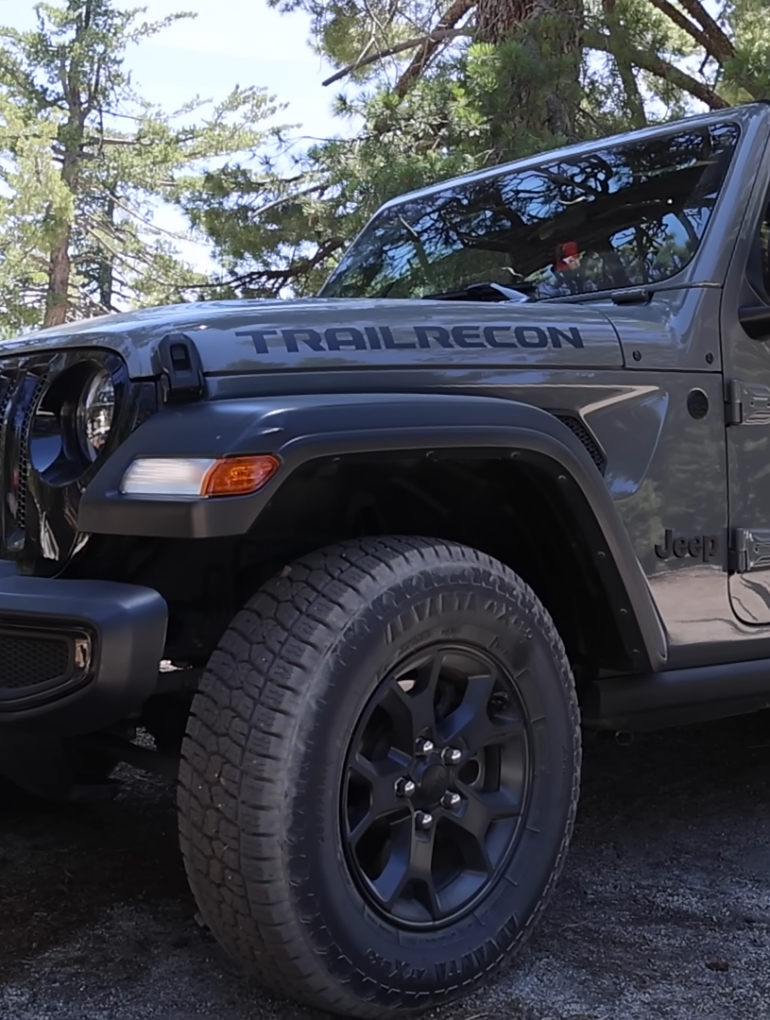
Off-roading often conjures images of heavily modified rigs with oversized tires, locking differentials, and extreme terrain. In reality, one of the most overlooked truths is this: you don’t need extensive modifications to begin exploring off-road trails. A stock Jeep—or any capable 4×4—paired with foundational knowledge is more than enough to get started. This guide distills essential principles for first-time off-roaders, focusing on safety, vehicle familiarity, and technique.
Start with What You Have
A common misconception among beginners is the need to upgrade before ever touching dirt. In practice, starting with a stock vehicle provides a critical baseline. It allows drivers to understand factory capabilities, identify limitations, and make informed decisions about future modifications. Seat time—not aftermarket parts—is the most valuable early investment.
Know Your Vehicle from the Ground Up
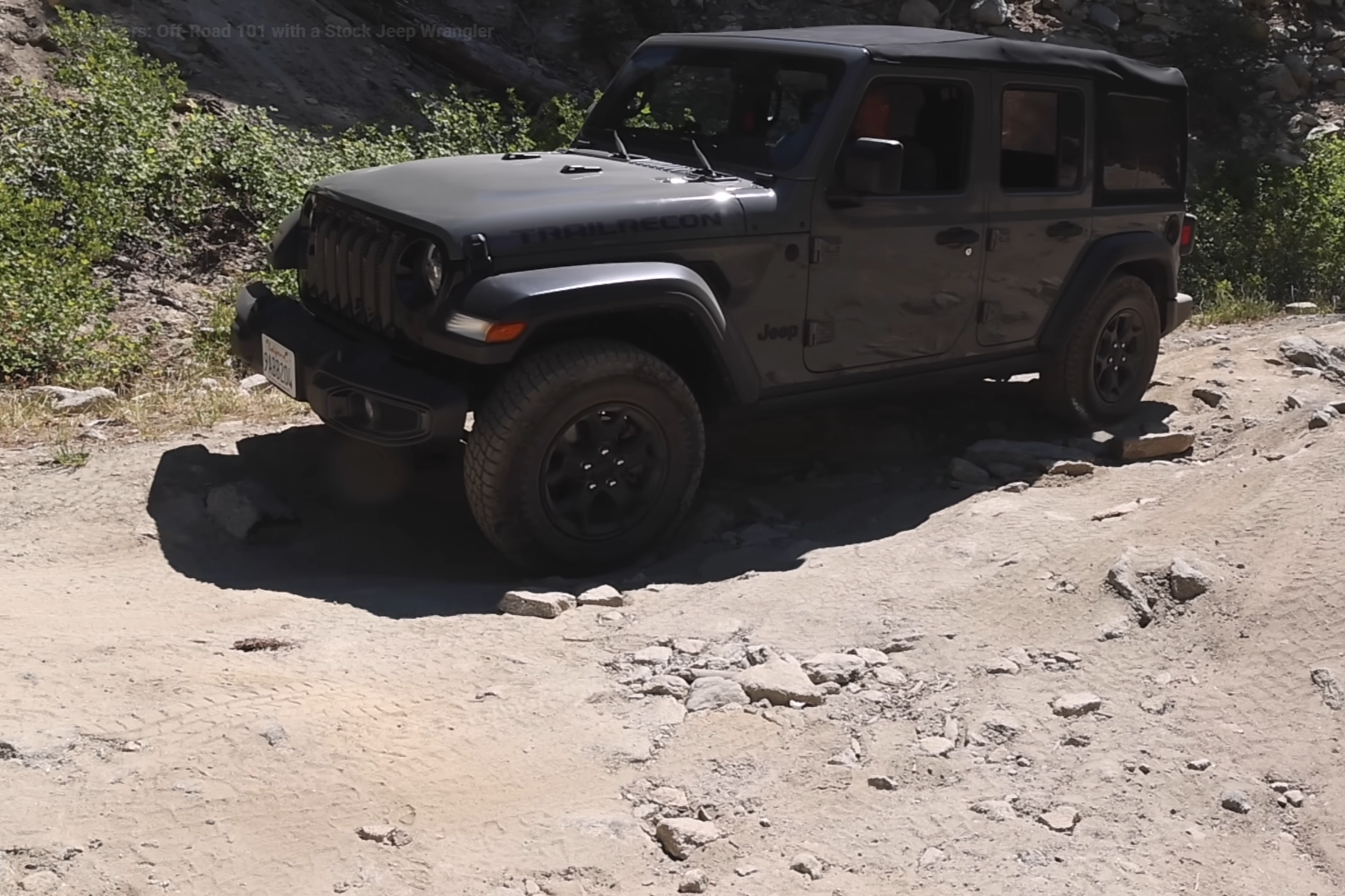
Before hitting the trail, physically inspect your vehicle—especially the undercarriage. Key low نقاط include the differential housing (“pumpkin”), control arms, shock mounts, and frame rails. Understanding ground clearance and component placement is crucial when navigating obstacles. Effective off-roading is less about brute force and more about precise tire placement to avoid damaging vulnerable components.
Preparation Is Non-Negotiable
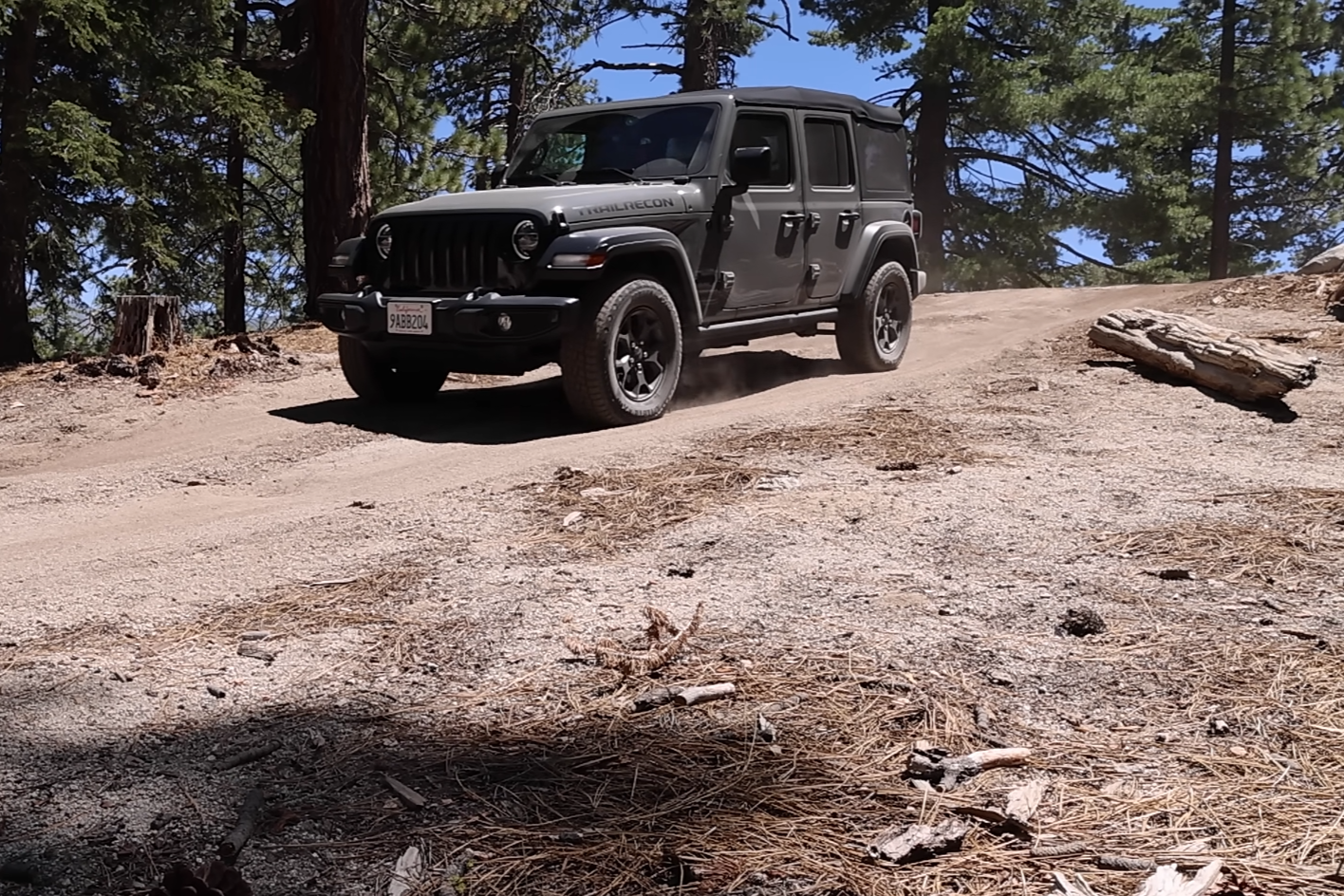
Basic pre-trip checks significantly reduce risk. Inspect fluid levels (engine oil, coolant, brake fluid), ensure tires are in good condition with sufficient tread, and verify lug nuts are properly torqued. Off-road driving accelerates wear, so maintenance intervals should be shorter than standard road use.
Equally important is essential gear. At minimum, carry:
- A first aid kit
- A fire extinguisher
- Adequate water and supplies
Additional items such as a portable air compressor, recovery gear, and a basic tool kit enhance self-sufficiency, even on short trips.
Airing Down: Small Change, Big Impact
Reducing tire pressure improves traction and ride comfort by increasing the tire’s contact patch. While optimal PSI varies depending on vehicle weight and terrain, beginners typically operate safely in the 18–25 PSI range. Avoid excessively low pressures without proper equipment (e.g., beadlock wheels), as this increases the risk of tire de-beading.
Choose the Right Environment
Begin on easy-rated trails to build confidence. Navigation tools like onX Offroad provide trail ratings, terrain insights, and route tracking—valuable for planning and safety. A mild trail with light obstacles (ruts, small rocks, gradual inclines) offers a controlled environment to develop skills.
Never Go Alone (At First)
Solo off-roading introduces unnecessary risk for beginners. Traveling with an experienced driver or joining an off-road club provides guidance, spotting assistance, and immediate support in case of mechanical issues or recovery scenarios. It also accelerates learning through observation and feedback.
Master the Fundamentals of Driving
Off-road driving is governed by a few key principles:
- Use Four-Wheel Drive Appropriately:
Engage 4-High for general trails and 4-Low for technical terrain requiring torque and control. - “Slow is Smooth, Smooth is Fast”:
Maintain low speeds to preserve traction, reduce impact forces, and improve control. - Line Selection Matters:
Place tires strategically—often on top of obstacles rather than between them—to maximize clearance. - Maintain Situational Awareness:
Continuously scan terrain, anticipate hazards, and adjust positioning accordingly. - Steering Control and Hand Position:
Keep thumbs outside the steering wheel to avoid injury from sudden kickback. - Two-Foot Driving (Advanced Beginner Technique):
Lightly applying brake and throttle simultaneously can smooth out movement over obstacles.
Mindset: The Hidden Skill
Confidence in off-roading is built gradually. Anxiety is normal, especially when facing unfamiliar terrain. The key is maintaining a calm, deliberate approach. If uncertain, stop, assess, and ask for guidance. Off-roading is as much about judgment and patience as it is about mechanical capability.
Final Thoughts
Off-roading is not defined by extreme builds or difficult trails—it’s about exploration, skill development, and connection with the environment. Starting with a stock vehicle forces you to focus on technique, which ultimately makes you a more capable and confident driver. With proper preparation, the right mindset, and a willingness to learn, your first off-road experience can be both safe and deeply rewarding.
Source: TrailRecon