

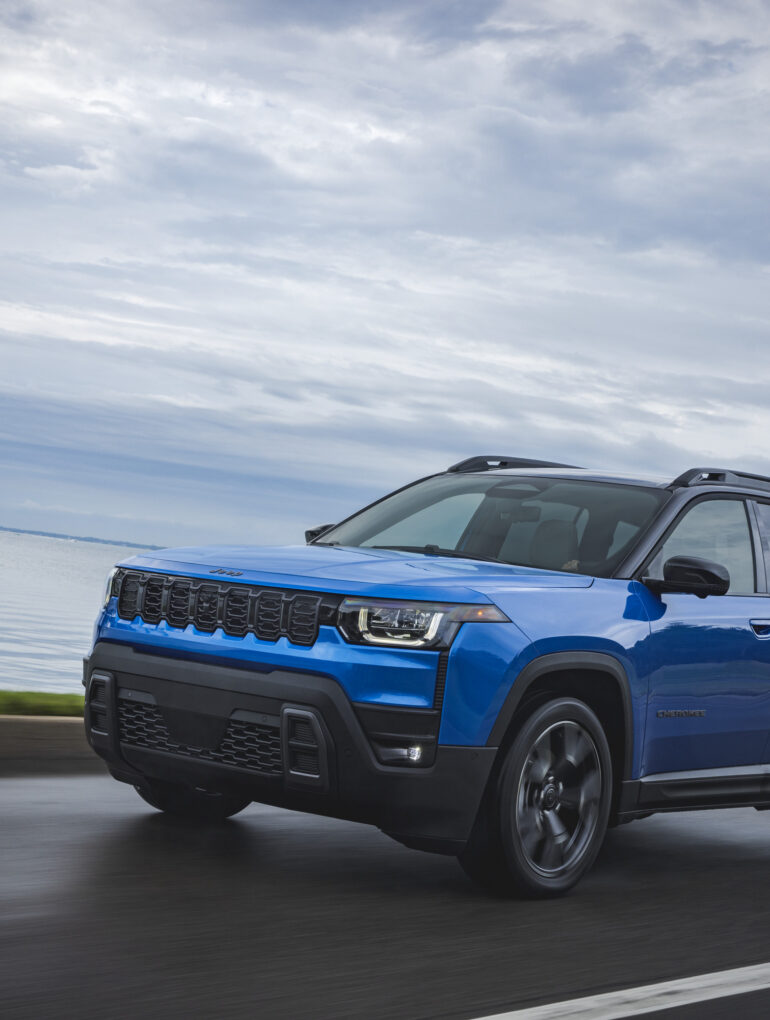
Stellantis is preparing to introduce its new STLA One global modular vehicle architecture to the U.S. market with the next-generation Jeep Cherokee, marking an important step in the automaker’s FaSTLAne 2030 strategy. The Cherokee will become the first vehicle assembled in the United States on the new platform, with production centered at the Belvidere Assembly Plant in Illinois.
Unveiled as a key component of Stellantis’ long-term product and manufacturing strategy, STLA One is designed to simplify vehicle development while improving product competitiveness, manufacturing efficiency and economies of scale. The flexible architecture is expected to underpin more than 30 models globally by 2035, allowing Stellantis to reduce platform complexity and lower both engineering and production costs.
The decision to launch STLA One in the U.S. through the Jeep Cherokee also reinforces Belvidere’s strategic importance to Stellantis. Located approximately 60 miles west of Chicago, the facility is expected to produce at least two vehicles based on the new architecture. The plant’s role represents a significant shift for a facility that has been awaiting its next phase of production activity.
“Launching the next-generation Cherokee on STLA One allows us to deliver a more competitive product while leveraging the strength of our U.S. manufacturing operations,” said Antonio Filosa, Stellantis CEO and North America COO. He added that aligning the product architecture, timing and manufacturing strategy is intended to support long-term growth while providing greater stability for employees, customers and stakeholders.
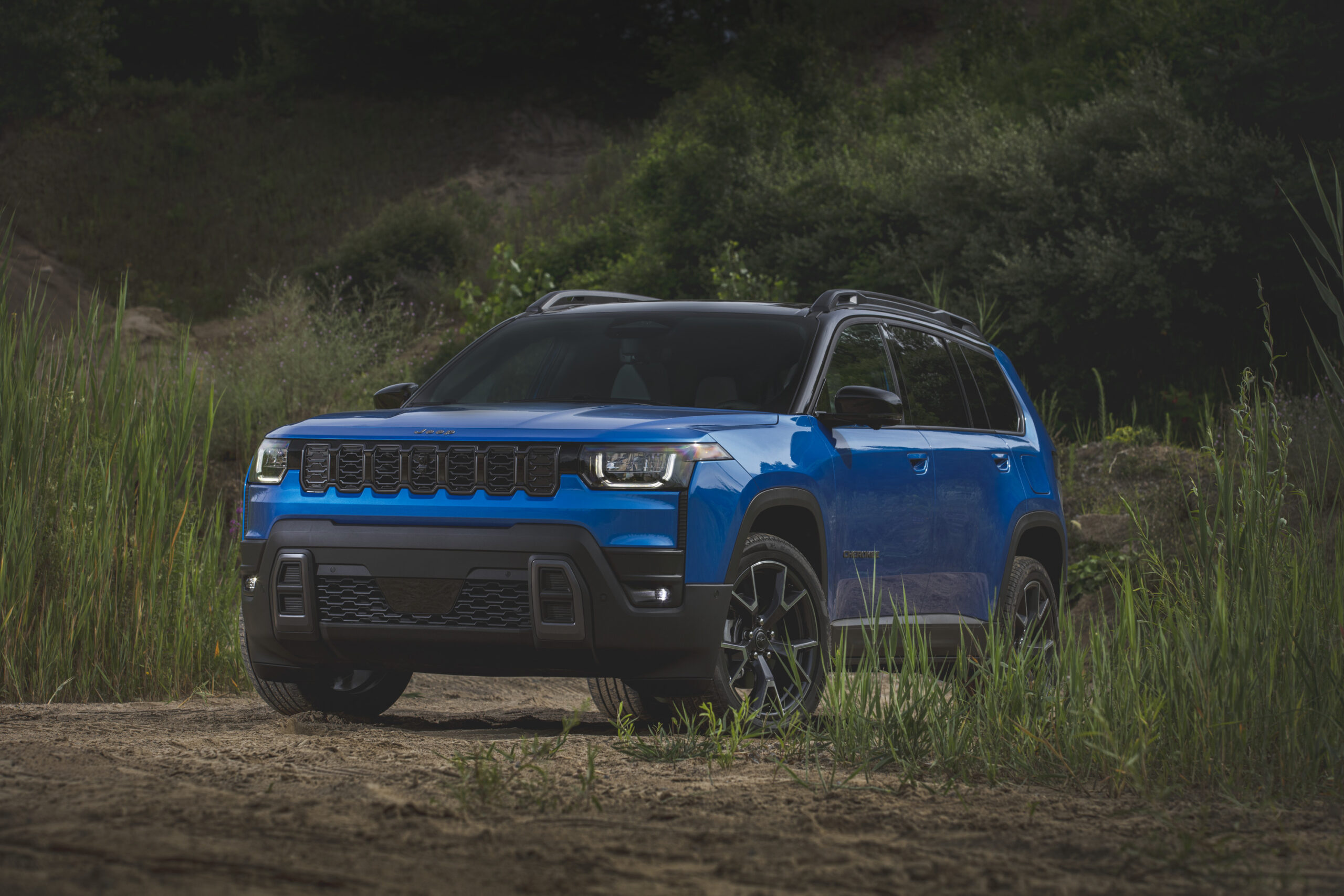
Belvidere Investment Surpasses $800 Million
Stellantis now expects its investment in Belvidere to exceed $800 million, an increase of approximately $200 million from the $600 million commitment announced in October 2025. The plant is being prepared to build vehicles across all planned powertrain variants and operate on two shifts.
Preparation work is already underway. More than $60 million had been invested through July 2026 in projects involving stamping, body, paint and general assembly operations. The work includes evaluating and upgrading infrastructure, equipment and manufacturing systems ahead of the plant’s restart, with additional projects scheduled through the remainder of the year.
Pilot production of the next-generation Cherokee at Belvidere is currently expected to begin during the first half of 2028. Retail production is targeted to commence in the second half of 2029.
Employee Support Remains a Priority
Stellantis also says it remains committed to supporting Belvidere employees during the extended transition period. Planned measures include continuing supplemental unemployment benefits and healthcare coverage, increasing SUB payments to account for wage increases negotiated under the 2023 contract, addressing future pension credits for employees on layoff and providing temporary relocation opportunities.
The employee measures are intended to provide additional support while the facility progresses toward its production restart.
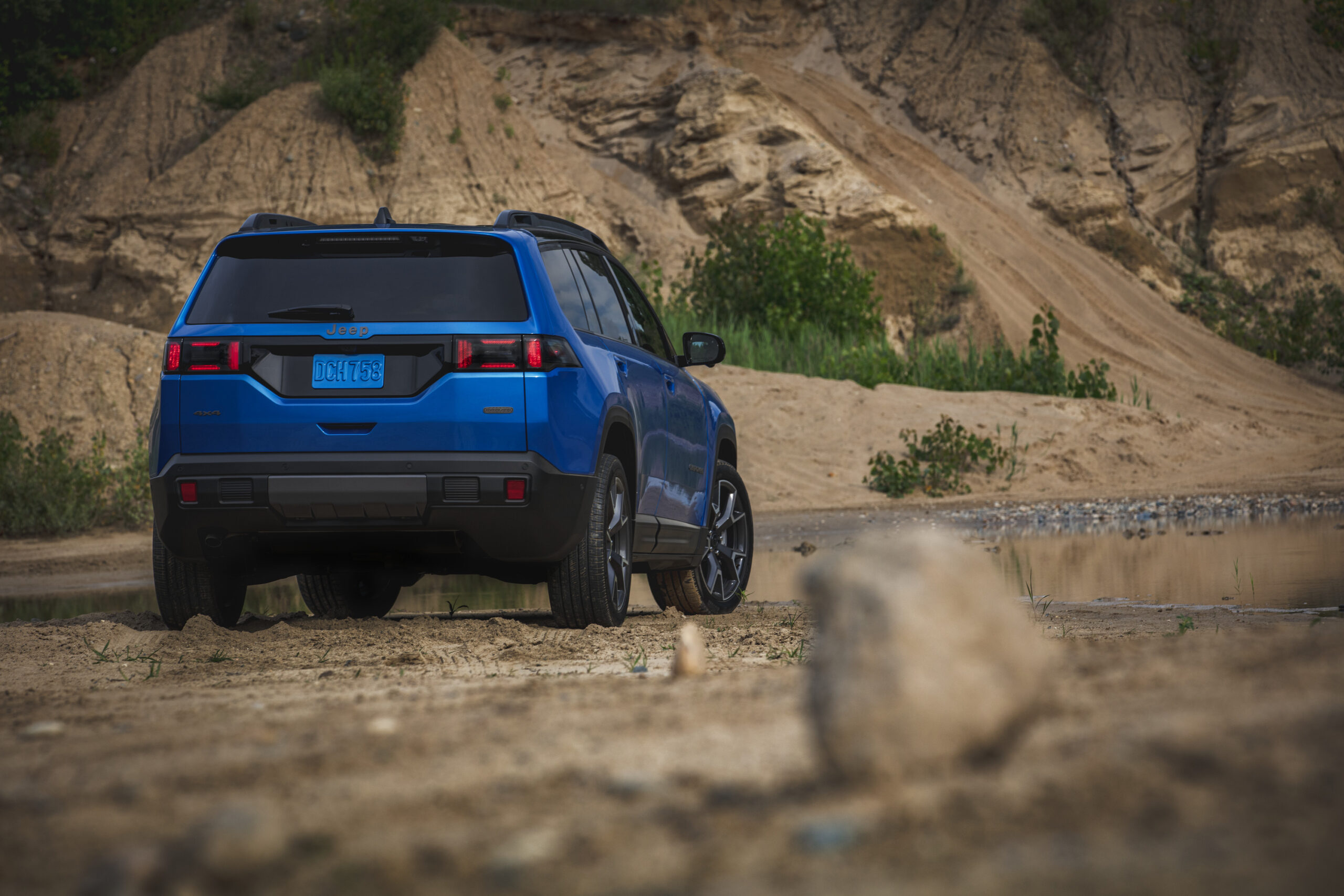
Part of a Broader U.S. Manufacturing Strategy
The Belvidere investment forms part of Stellantis’ broader commitment to expanding its U.S. operations. In October 2025, the automaker announced plans to invest more than $13 billion in the American market over four years, representing the largest investment in its 100-year U.S. history. The program covers manufacturing operations in Illinois, Ohio, Michigan and Indiana.
Under the FaSTLAne 2030 strategy, Stellantis plans to introduce 11 all-new and 12 refreshed vehicles across North America during the next four years. The initiative is designed to expand the company’s market coverage to approximately 90% by 2030.
For the Jeep Cherokee, the transition to STLA One therefore represents more than a new manufacturing milestone. It positions one of Jeep’s most recognizable nameplates at the center of Stellantis’ effort to consolidate vehicle architectures, improve production economics and strengthen the competitiveness of its future product portfolio.
Source: Stellantis