

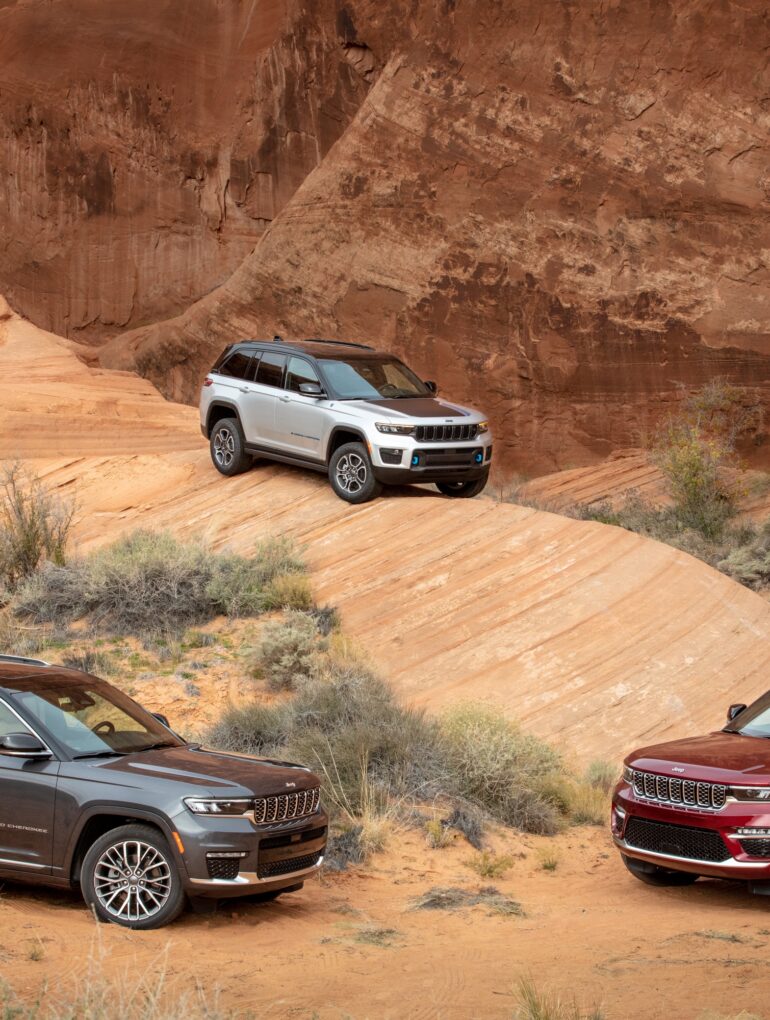
Chrysler (FCA US, LLC) is recalling 328,381 Jeep Grand Cherokee vehicles after determining that improperly installed rear coil springs could move out of position and potentially detach while the vehicle is being driven. The recall, identified as NHTSA 26V562 and FCA US campaign 89D, covers multiple versions of the fifth-generation Grand Cherokee built between late 2020 and mid-2023.
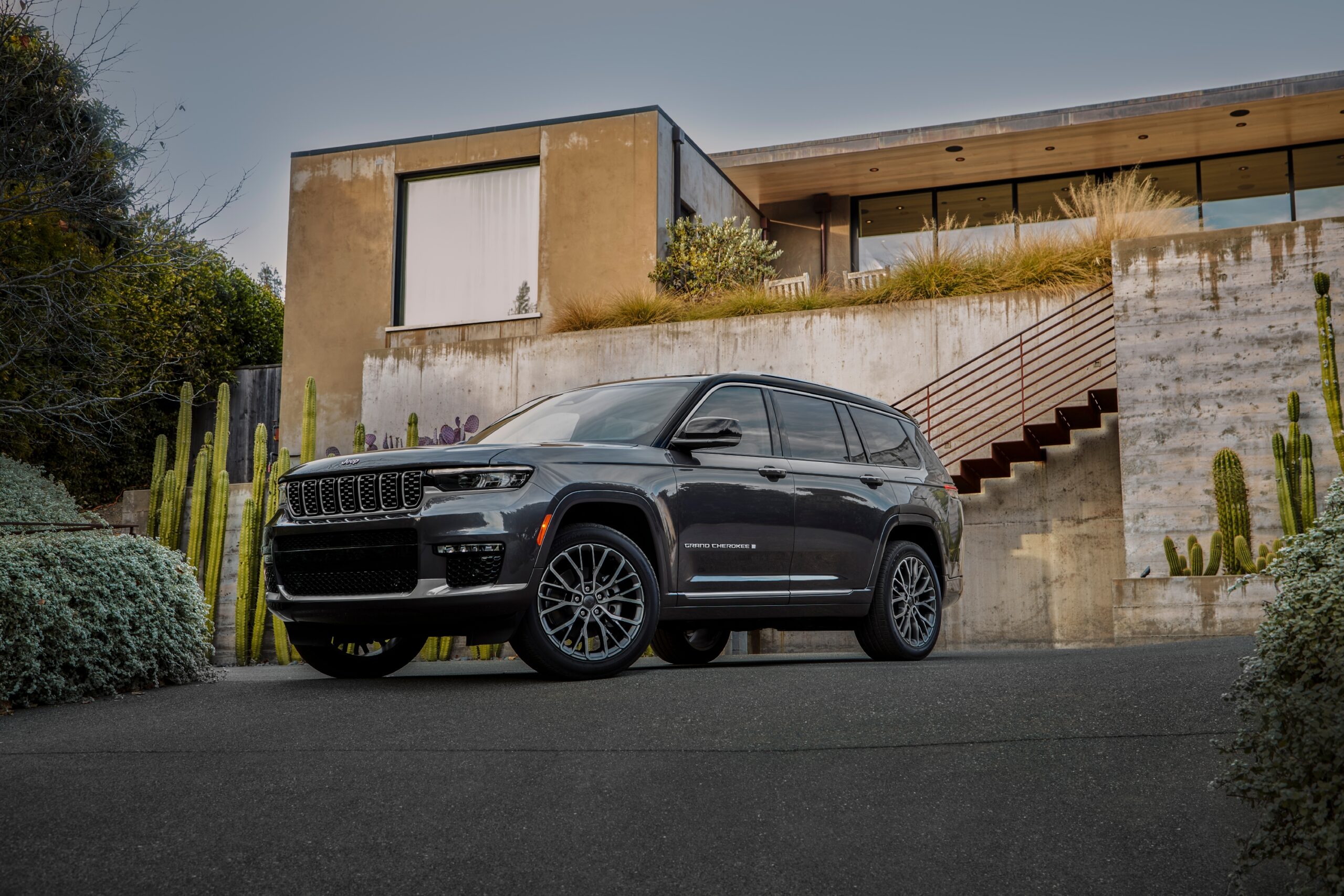
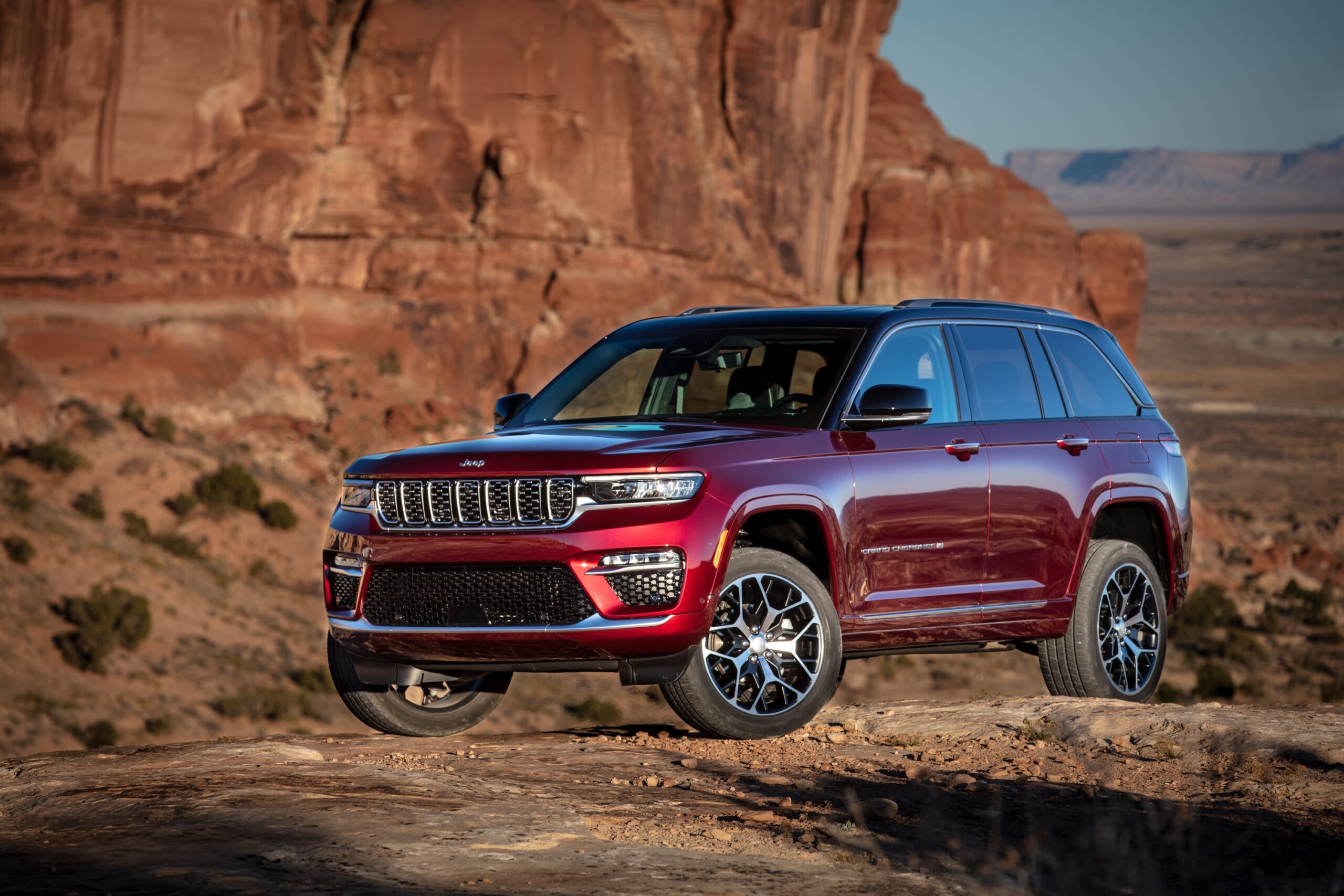
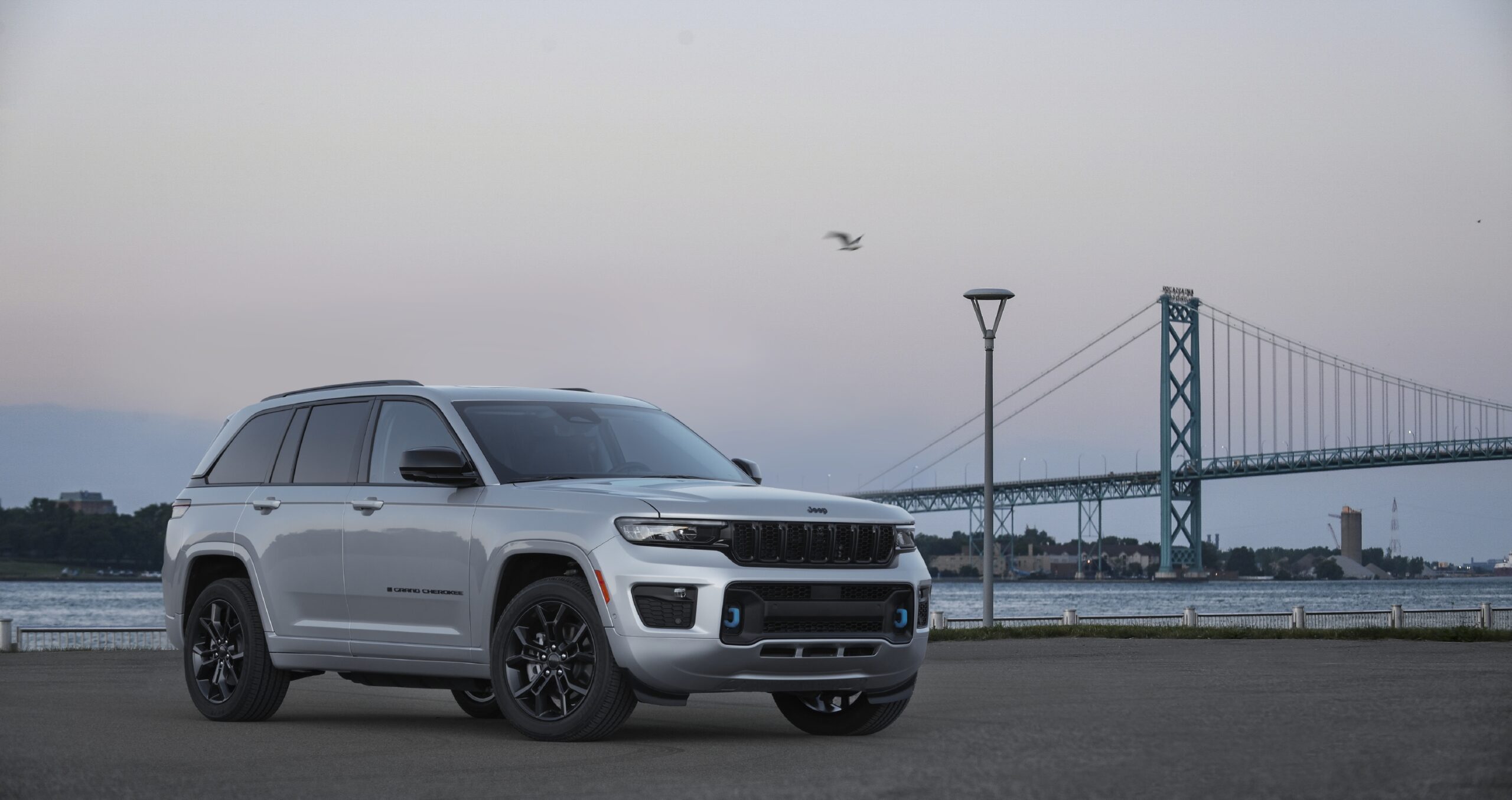
The campaign affects 2022-2023 Jeep Grand Cherokee, 2021-2023 Jeep Grand Cherokee L, and 2022-2023 Jeep Grand Cherokee PHEV models. In total, FCA estimates that 97,477 standard Grand Cherokees, 215,433 Grand Cherokee L models, and 15,471 plug-in hybrids are potentially involved. Vehicles equipped with air suspension are excluded from the campaign.
Rear Coil Spring Can Become Displaced
According to the recall filing, the problem is not attributed to a defective coil spring itself. Instead, certain vehicles may have been manufactured or previously repaired with a rear coil spring assembly positioned incorrectly. That condition can allow the spring to move out of its intended location and potentially detach from the vehicle.
The safety implications are significant. A rear coil spring separating from a moving Grand Cherokee could become an unexpected obstacle for other motorists. FCA warns that the detached component could create a road hazard and potentially cause a crash without prior warning, putting occupants and other road users at risk of injury.
Adding to the concern, the company reports that there may be no warning before the condition occurs.
Recall Follows Earlier Repair-Related Problems
The latest campaign is particularly notable because it follows earlier safety actions involving the same general rear coil spring issue.
FCA previously determined in June 2023 that a safety defect existed in certain Grand Cherokee vehicles, resulting in recall 23V413, also known internally as campaign 64A. In September 2025, NHTSA contacted FCA after receiving 20 complaints involving coil spring separation on vehicles that had already undergone the earlier recall repair. FCA subsequently supplied information concerning another 70 potentially related claims identified through its internal records.
FCA’s Technical Safety and Regulatory Compliance organization opened an investigation in November 2025 to determine why some vehicles could experience rear coil spring separation after the previous repair had been performed. Engineering teams reviewed the failure mode, customer records and the potentially affected vehicle population through January 2026.
A further safety defect determination was made in January 2026 under NHTSA 26V051, before additional complaints prompted another investigation in July. FCA ultimately determined on August 26, 2026, that another safety defect existed in certain vehicles.
Hundreds of Warranty Claims Reported
As of August 6, 2026, FCA said it was aware of 29 customer assistance records and 406 warranty claims potentially associated with the issue across all markets. Importantly, the automaker reported that it was not aware of any accidents or injuries potentially related to the condition at that time.
FCA estimates that approximately 0.1% of the 328,381 vehicles in the recall population contain the defect.
New Remedy Targets Rear Spring Isolators
Rather than simply inspecting and repositioning the spring assembly, FCA’s latest remedy calls for dealers to replace both rear coil spring lower isolators on affected vehicles. The company specifically states that the recall condition stems from an assembly or repair issue rather than a defect in the recalled component itself.
The affected component is identified in the filing as the lower spring isolator, part number 68668244AA.
The campaign therefore represents another attempt to address a condition that has persisted through previous recall-related repairs. Recent reporting likewise identifies 26V562 as the latest campaign following the earlier 23V413 and 26V051 actions.
Owner Notifications Begin This Month
FCA plans to notify dealers on or about September 9, 2026, while owner notifications are scheduled to begin around September 29, 2026, with letters expected to be sent through October 7. The NHTSA filing also states that affected VINs are scheduled to become searchable beginning September 9.
For owners, the most important step is to verify whether their vehicle is included in the campaign and arrange the required repair through a Jeep dealer. Owners whose vehicles have already undergone previous repairs for the rear coil spring issue should pay particular attention because the current recall specifically concerns vehicles that may still have the problematic condition after earlier manufacturing or repair work.
With more than 328,000 vehicles included, the campaign represents a substantial safety action for Jeep’s Grand Cherokee lineup. While FCA has reported no known accidents or injuries associated with the condition, the possibility of a rear coil spring detaching without warning makes the recall an issue owners should address promptly.