

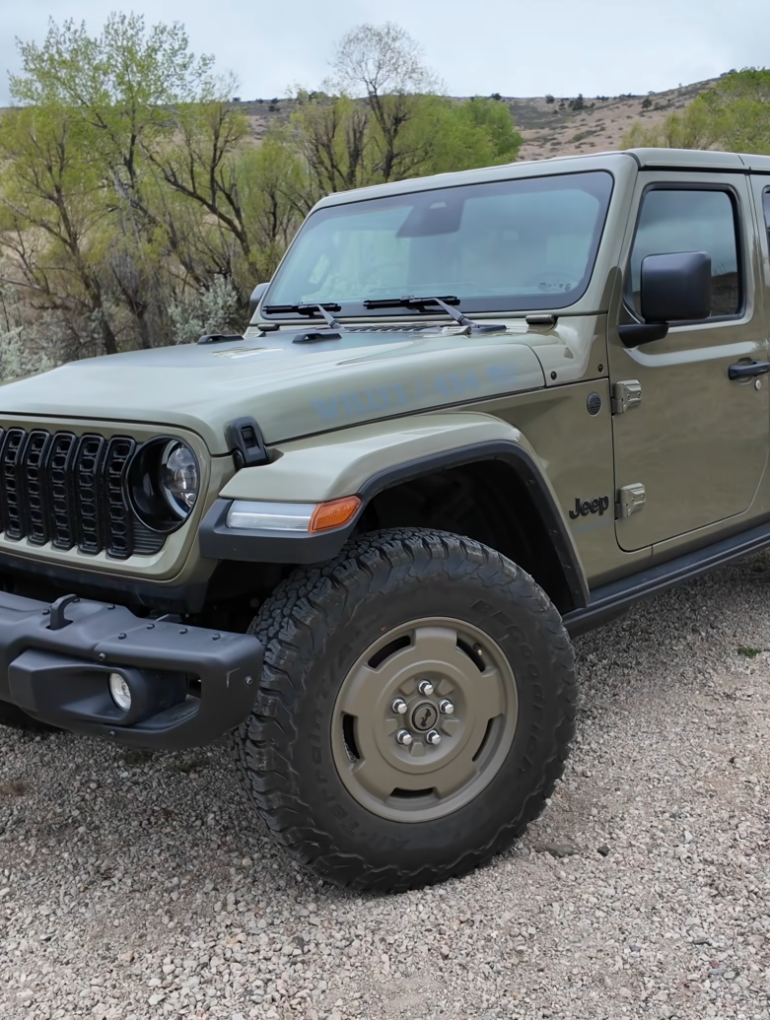
The Jeep Wrangler Willys 41 has always occupied a unique place in the automotive world. It is one of the last true body-on-frame SUVs with solid axles, removable doors, a fold-down windshield, and genuine rock-crawling credentials straight from the factory. But for decades, Wranglers carried a reputation for rough highway manners, uncomfortable interiors, and compromises that made daily driving feel like a chore.
After 3,000 miles behind the wheel of the 2026 Wrangler Willys 41 Edition, The Fast Lane Car discovered something surprising: the modern Wrangler has evolved into a far more refined and livable vehicle than its critics often claim.
The Willys 41 Edition: Retro Style Meets Modern Capability
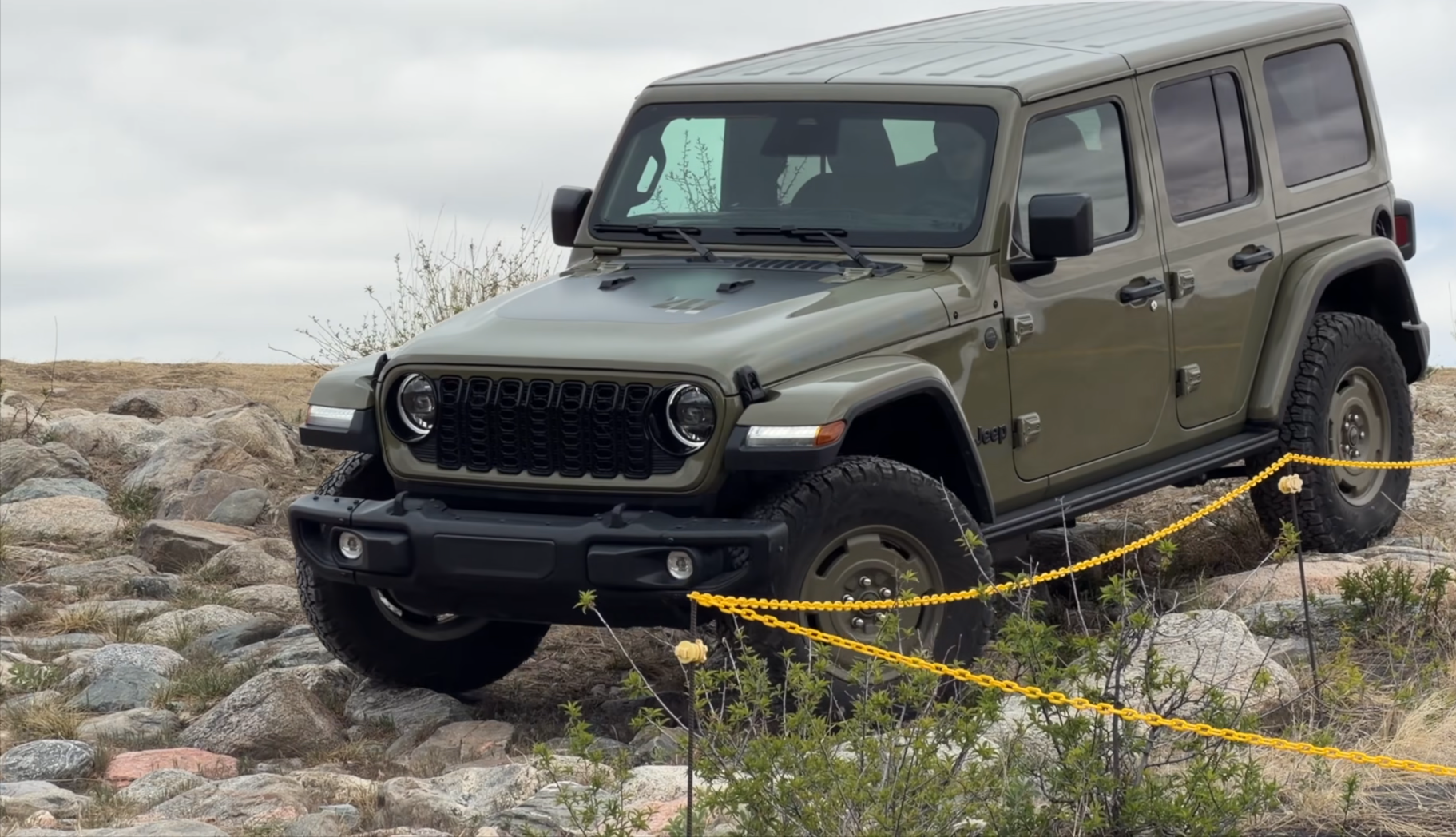
The Willys 41 package is largely an appearance-focused trim, but it succeeds brilliantly in giving the Wrangler a distinctive personality. Inspired by Jeep’s military heritage, the package includes unique wheels, vintage-style decals, rugged tires, and exclusive paint treatments that immediately stand out on the road.
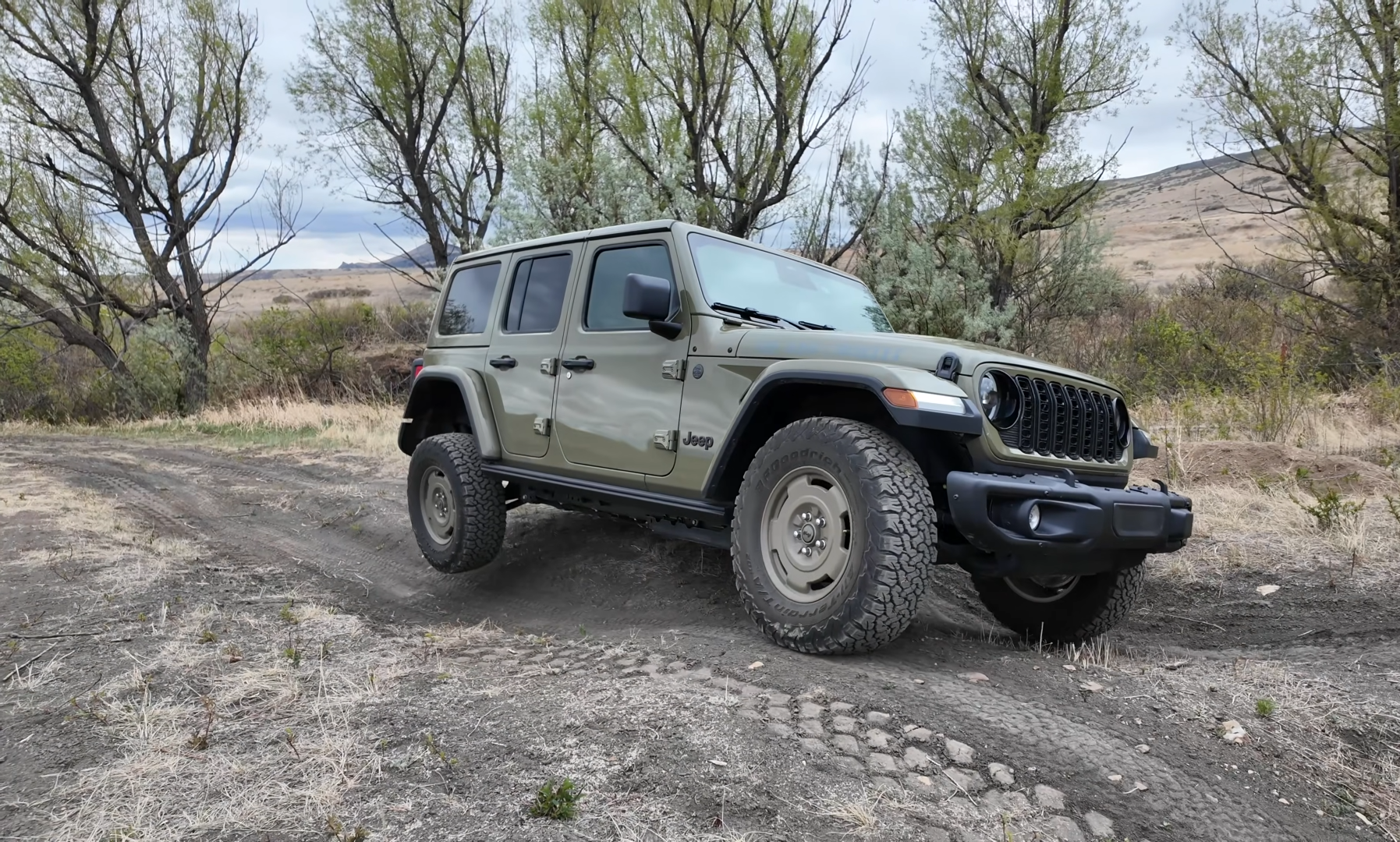
Beyond the cosmetic upgrades, the Willys trim still brings meaningful off-road hardware to the table. Buyers get features like a rear locking differential, upgraded off-road tires, and trail-ready suspension tuning. The result is a Wrangler that looks nostalgic while remaining highly capable in real-world terrain.
More importantly, the Willys 41 package transforms the Wrangler into a genuine head-turner. During extended testing, the vehicle consistently attracted attention everywhere it went, proving that Jeep still understands how to build a lifestyle vehicle with authentic character.
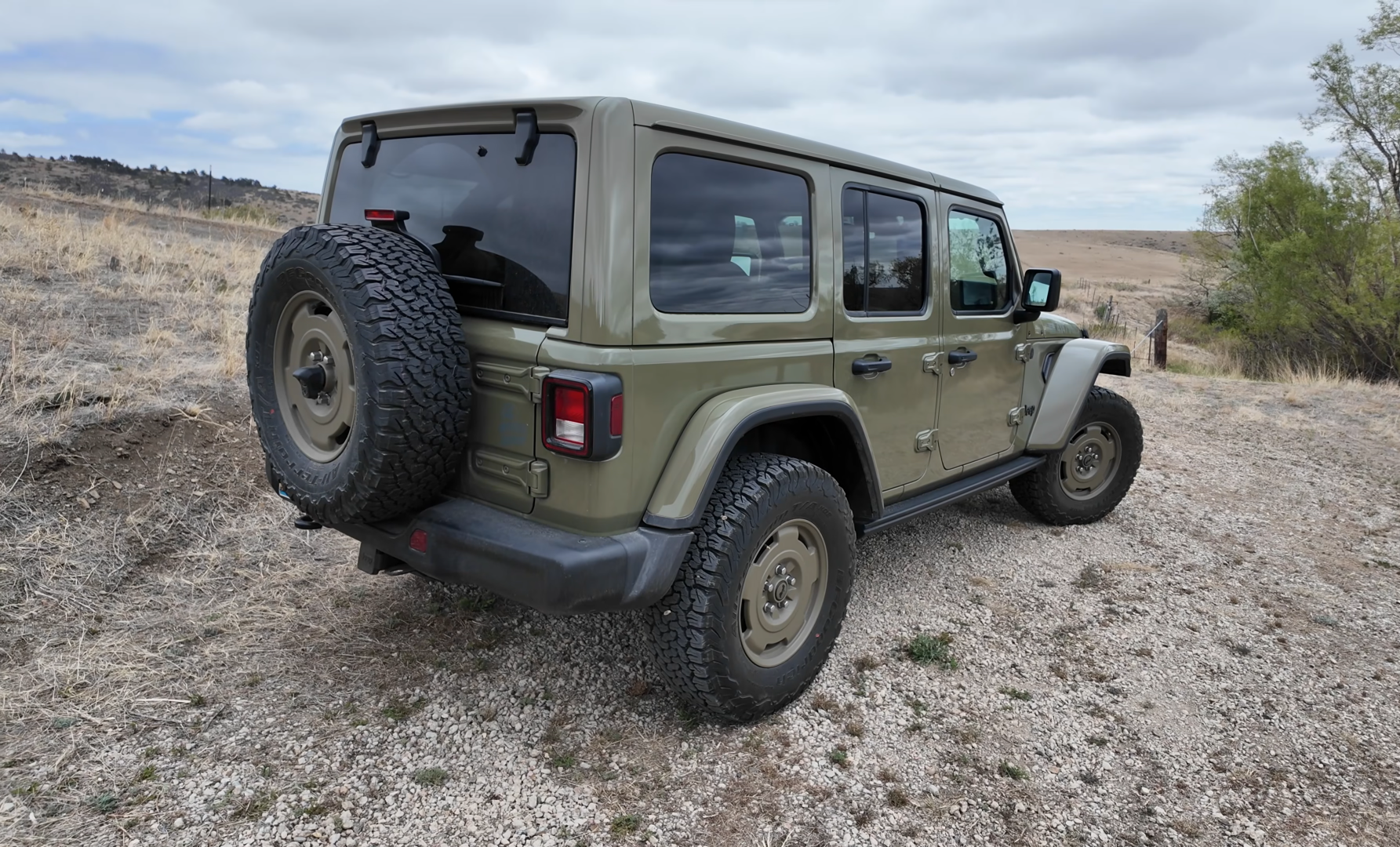
Living With a Wrangler Every Day
One of the biggest revelations after extended ownership was how much refinement Jeep has added to the current Wrangler platform over the years.
Older Wranglers were infamous for vague steering, excessive body motion, noisy cabins, and poor highway stability. The 2026 model, however, feels dramatically improved in nearly every area.
The steering, while still unmistakably tied to a solid front axle and recirculating-ball setup, feels controlled and predictable. Compared with other modern off-road SUVs that still use solid axles, such as the Ineos Grenadier, the Wrangler actually delivers better steering response despite costing significantly less.
Ride quality is another area where Jeep engineers have made major strides. Rather than feeling harsh or truck-like, the Wrangler now rides with a surprisingly soft and compliant character. It still cannot match the polished road manners of the Toyota 4Runner, but considering the Wrangler’s off-road-focused hardware, the balance between capability and comfort is impressive.
Noise, vibration, and harshness — commonly referred to as NVH in the automotive industry — remain challenges for any SUV with removable roof panels and doors. Yet Jeep has spent nearly a decade refining this generation of Wrangler, and the improvements are noticeable. Wind noise is manageable during normal driving, and only severe crosswinds significantly disturb cabin comfort.
For many drivers, the Wrangler no longer feels like a punishing compromise. Instead, it feels like a usable everyday SUV with a unique personality.
The Biggest Weakness: Seats and Interior Comfort
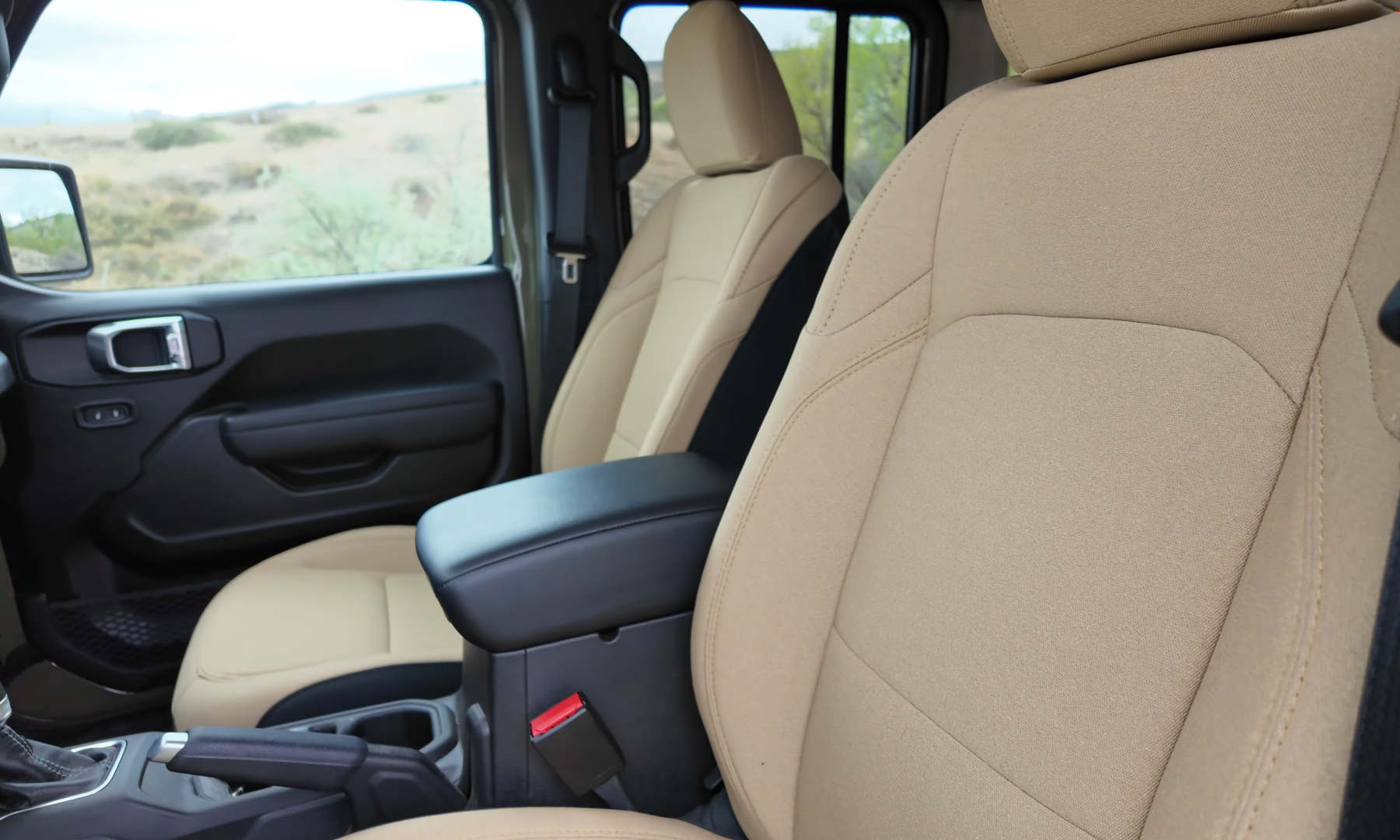
While Jeep has improved many aspects of the Wrangler, one major flaw remains: the seats.
The front seats are flat, minimally bolstered, and lack proper support for longer journeys. Taller drivers may also struggle with limited seat travel, especially anyone over six feet tall. Passenger comfort suffers further because the Willys trim lacks lumbar support on the passenger side.
This becomes difficult to ignore when pricing enters the equation. A well-equipped Willys 41 Edition can easily exceed $57,000, yet it still features manually adjustable cloth seats that feel outclassed by far less expensive vehicles.
Rear-seat space, however, is surprisingly generous. Thanks to the upright design and efficient packaging, adults can comfortably fit in the back seats with ample legroom and headroom. Rear passengers also benefit from air vents and overhead-mounted speakers that create an immersive audio experience.
Still, some missing features stand out in a vehicle at this price point. Rear USB charging ports and a center armrest are absent, reminding drivers that the Wrangler prioritizes rugged simplicity over outright luxury.
The Proven 3.6-Liter Pentastar V6
Under the hood, the tested Willys 41 used Jeep’s long-running 3.6-liter Pentastar V6 engine producing 285 horsepower.
It may not be exciting, but it remains highly practical. Acceleration is perfectly adequate, and the naturally aspirated V6 delivers smooth, predictable power delivery. Unlike some smaller turbocharged engines, the Pentastar feels relaxed and refined during everyday driving.
Reliability is another major advantage. The Pentastar V6 has been used across countless Stellantis vehicles for over a decade, including the Ram 1500, Dodge Charger, and Chrysler Pacifica. Millions have been produced, giving owners confidence in long-term durability despite some known issues like plastic oil filter housing failures.
Alternative powertrains still exist, including the turbocharged 2.0-liter four-cylinder and the wild Jeep Wrangler 392. While the turbo engine offers more low-end torque, many enthusiasts still prefer the smoother and simpler V6 for everyday use.
Practicality and Cargo Space
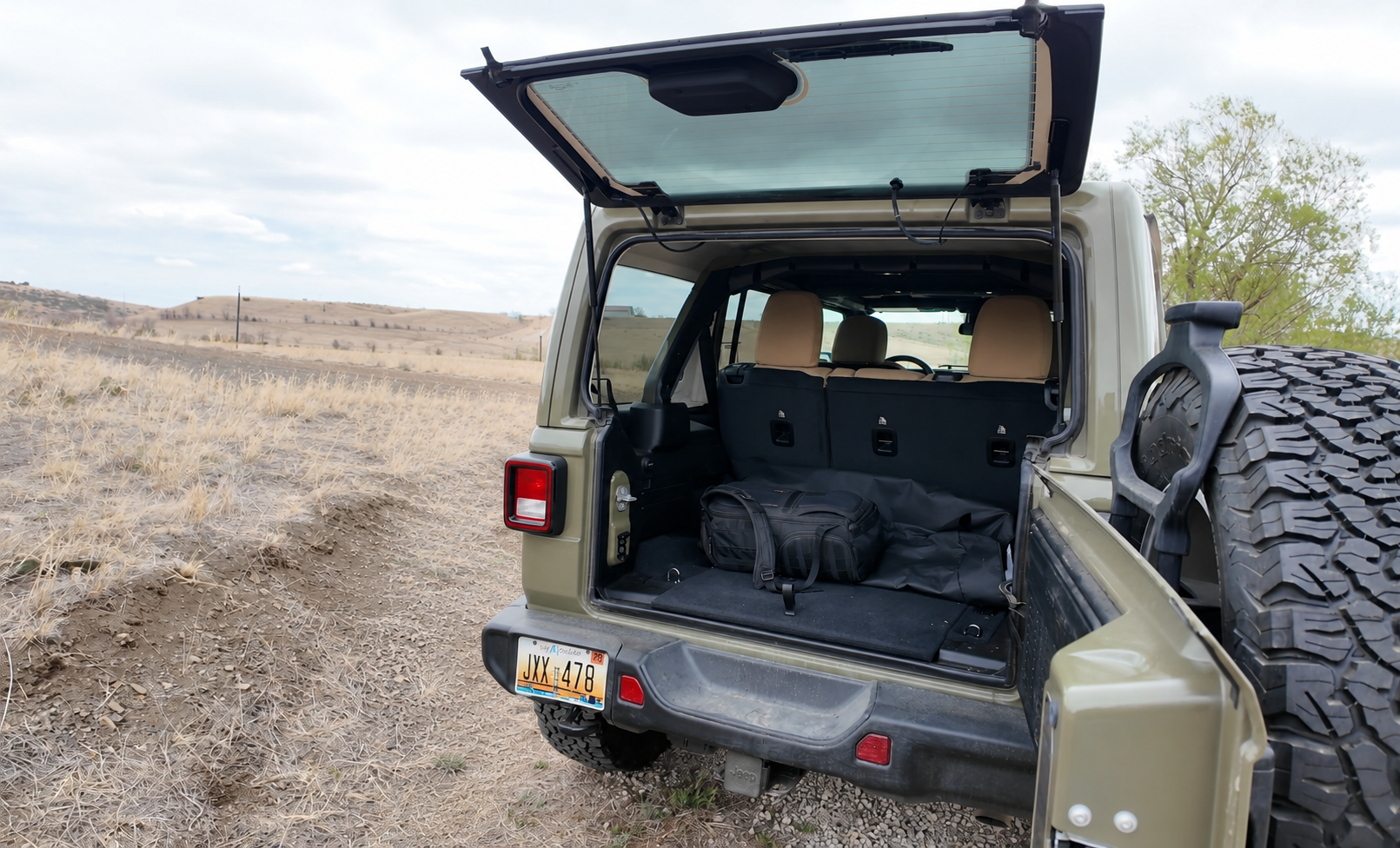
Despite its rugged image, the four-door Wrangler Unlimited offers surprisingly usable cargo capacity.
The rear cargo area benefits from the Wrangler’s boxy proportions, maximizing usable space without sacrificing vertical storage room like many modern coupe-inspired SUVs. Fold-flat rear seats further improve versatility, making the Wrangler practical for road trips, outdoor adventures, and daily errands.
The side-hinged rear gate and independently opening rear glass maintain the classic Jeep experience while remaining functional in tight spaces.
Buyers choosing between the two-door and four-door models still face an important decision. The two-door delivers a more traditional Jeep experience and improved maneuverability, but the four-door offers better practicality, stronger resale value, and access to more trim packages.
For most modern buyers, the Wrangler Unlimited remains the more logical choice.
Fuel Economy and Real-World Efficiency
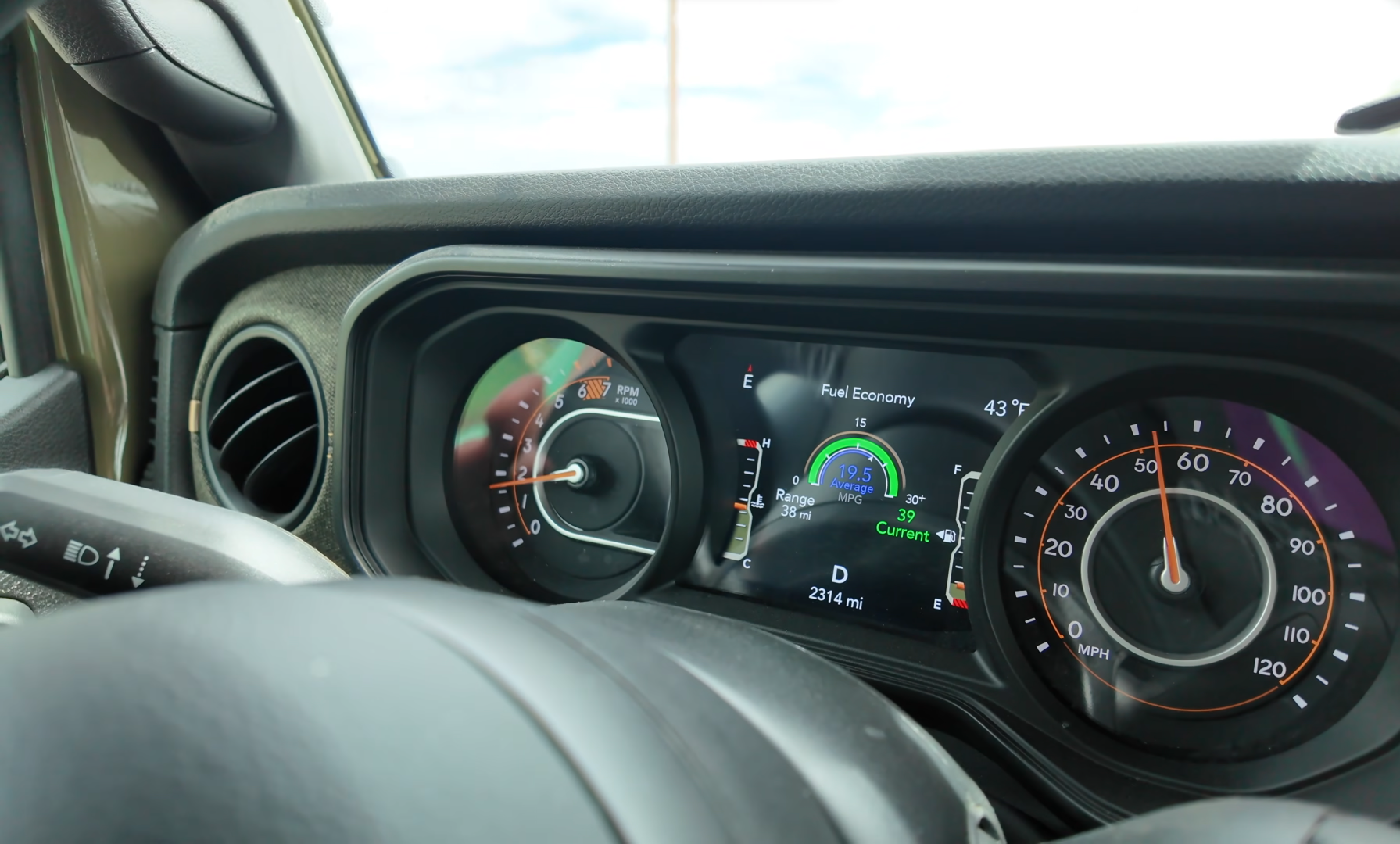
Over 3,000 miles of mixed driving, the Willys 41 averaged approximately 19.5 MPG.
That figure may not impress crossover buyers, but for a body-on-frame SUV running aggressive off-road tires and permanent four-wheel-drive hardware, it is respectable. Considering the Wrangler’s capability and aerodynamics, real-world fuel economy remains acceptable for its intended audience.
Off-Road Capability Remains the Wrangler’s Greatest Strength
The Wrangler continues to dominate when conditions become difficult. Whether tackling snow, mud, rocky trails, or deep ruts, the Willys 41 inspires confidence in virtually every environment. Features like high ground clearance, excellent articulation, locking differentials, and proven four-wheel-drive systems make the Wrangler extraordinarily capable right out of the box.
Few factory vehicles can match the Wrangler’s combination of trail performance and aftermarket support. A properly equipped Jeep Wrangler Rubicon with 35-inch tires remains one of the best turnkey rock crawlers available today.
For many buyers, that sense of unstoppable capability is exactly why the Wrangler remains so appealing.
Interior Technology Finally Feels Competitive
The modern Wrangler interior strikes an effective balance between classic Jeep character and modern usability. Jeep’s Uconnect infotainment system is one of the highlights, offering intuitive controls, wireless Apple CarPlay, wireless Android Auto, and off-road performance displays.
Physical controls remain refreshingly prominent throughout the cabin. Climate controls, drivetrain selectors, and even the parking brake all maintain tactile mechanical operation rather than relying entirely on touchscreen menus.
The removable roof panels and tool-free door removal process further reinforce the Wrangler’s unique appeal. Jeep has dramatically simplified open-air driving compared to older generations, making it easier than ever to enjoy the Wrangler’s signature experience.
Wrangler vs Bronco vs 4Runner
The modern Wrangler now competes more directly with rivals like the Ford Bronco and Toyota 4Runner than ever before.
The 4Runner offers superior ride refinement and everyday comfort but cannot match the Wrangler’s rock-crawling capability. The Bronco comes closer in terms of off-road performance and removable-body versatility, though some drivers still prefer the Wrangler’s narrower dimensions and more nimble feel in urban environments.
Ultimately, each SUV prioritizes different strengths. The Wrangler remains the most authentic off-road machine of the group while becoming significantly easier to live with on a daily basis.
Final Verdict: Does the 2026 Wrangler Still Suck as a Daily Driver?
Surprisingly, no.
The 2026 Jeep Wrangler Willys 41 proves that modern Wranglers are far more refined than their reputation suggests. Yes, compromises still exist. The seats remain disappointing, road noise still exceeds traditional SUVs, and pricing has climbed dramatically. But Jeep has successfully transformed the Wrangler into a genuinely usable daily driver without sacrificing the rugged personality that made it iconic in the first place.
For buyers who value open-air freedom, true off-road capability, and unmistakable character, the Wrangler remains one of the most distinctive SUVs on the market today. And after 3,000 miles of real-world driving, it is clear that living with one every day is no longer the painful experience many people assume it to be.
Source: The Fast Lane Car