

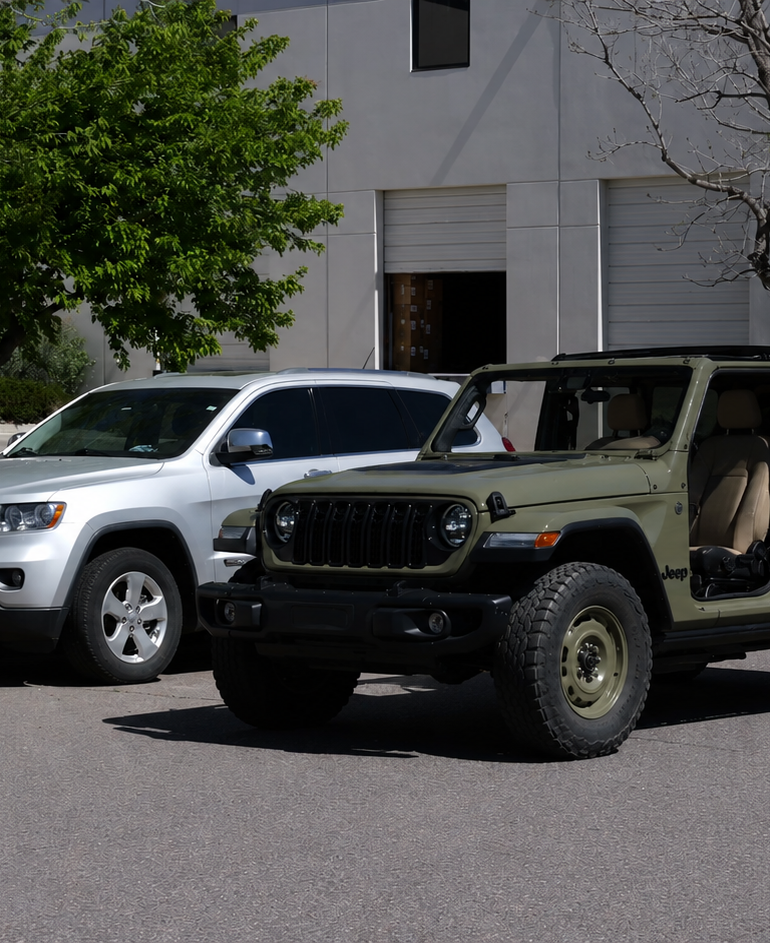
The modern Jeep Wrangler is one of the few vehicles on the market that still embraces true open-air freedom. Removable doors and detachable roof panels are widely known features, but there is another capability that most owners rarely use: the fold-down windshield. Recently, TFLnow explored this forgotten Wrangler feature by walking through the entire process and evaluating whether it is genuinely practical or simply a nostalgic piece of Jeep heritage.
A Historic Jeep Feature
The fold-down windshield has been part of Jeep history since the original military-style flat-fender models. It remains one of the most recognizable traits of the Wrangler lineage and continues to exist largely because of Jeep enthusiasts who consider it an essential part of the vehicle’s identity.
Today’s Wrangler is believed to be the last new production vehicle in the United States that still offers this functionality. Even though very few owners actually use it, Jeep has continued engineering the feature into every new generation despite stricter safety, structural, and aerodynamic requirements.
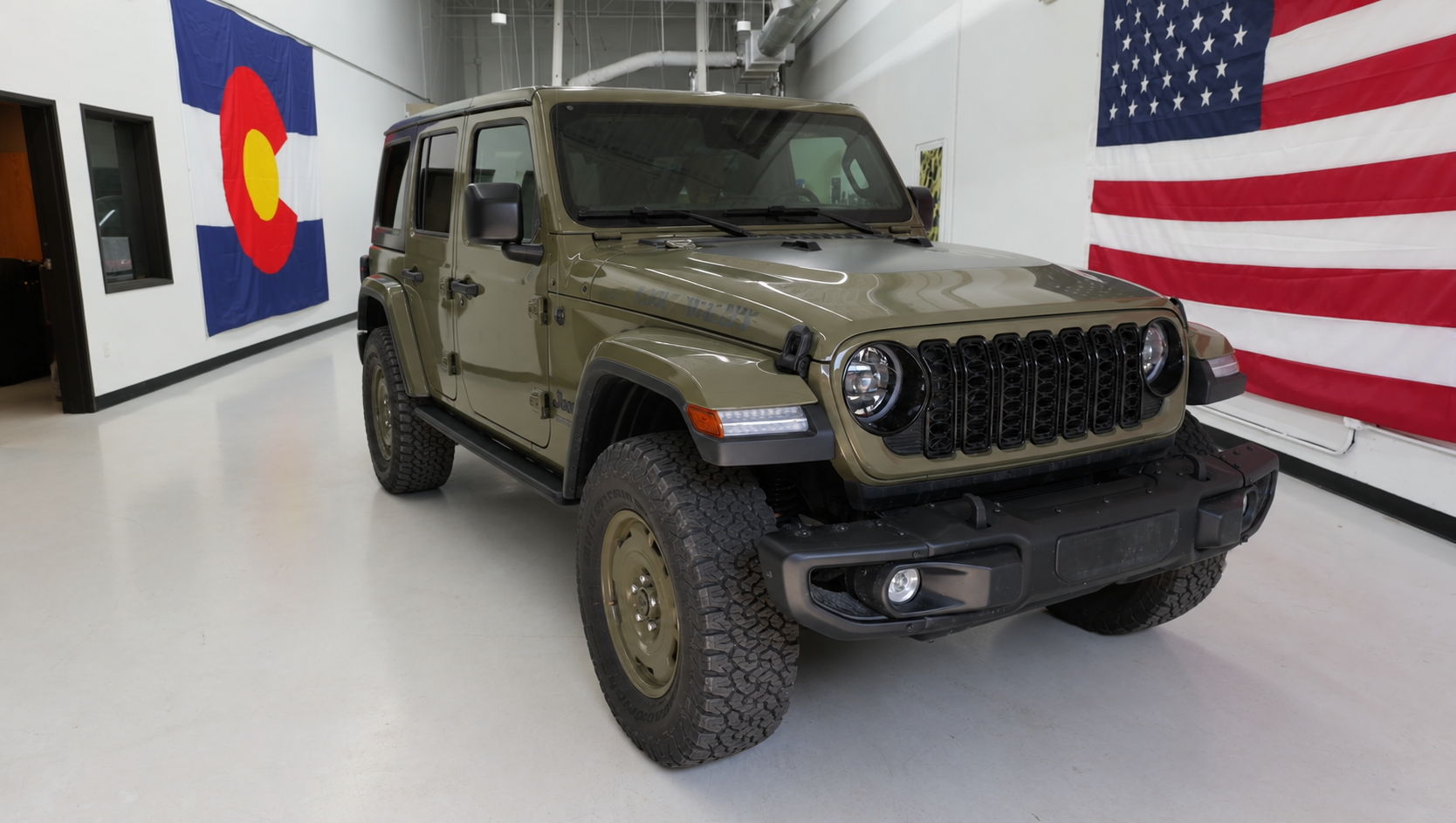
Why the JL Wrangler Made the Process Easier
Older JK-generation Wranglers were notoriously difficult when it came to folding the windshield down. Owners often reported dealing with nearly 28 bolts, multiple hours of labor, and sealing problems after reinstallation.
The newer JL-generation Wrangler significantly simplifies the process. Jeep redesigned the system to make it more accessible for owners by reducing the number of fasteners and including dedicated tools in the factory toolkit.
This improvement reflects Jeep’s effort to preserve one of the Wrangler’s most iconic heritage features while modernizing usability.
Step-By-Step Windshield Folding Process
1. Removing the Freedom Panels
The first step involves removing the lightweight Freedom Panels from the roof. These panels detach easily without tools using interior latches. Jeep also provides dedicated storage bags and straps that secure the panels behind the seats.
2. Removing the Doors
The Wrangler’s doors can be removed by disconnecting electrical connectors, removing retaining straps, and lifting the doors off their hinges. Unlike some older Wranglers, no major disassembly is required.
However, owners should note that removing the doors may require aftermarket mirrors in certain states to remain street legal.
3. Removing the Windshield Wipers
Before lowering the windshield, the windshield wiper arms must be removed using a 15 mm socket. Some JL models may require a puller tool if the wiper arms are stuck in place.
4. Removing the Header Bolts
Four Torx bolts located near the windshield header secure the frame upright. Jeep conveniently includes the required Torx bits and ratchet inside the factory toolkit.
Jeep also designed dedicated storage slots inside the vehicle to prevent owners from losing the hardware during the process.
5. Folding the Windshield Down
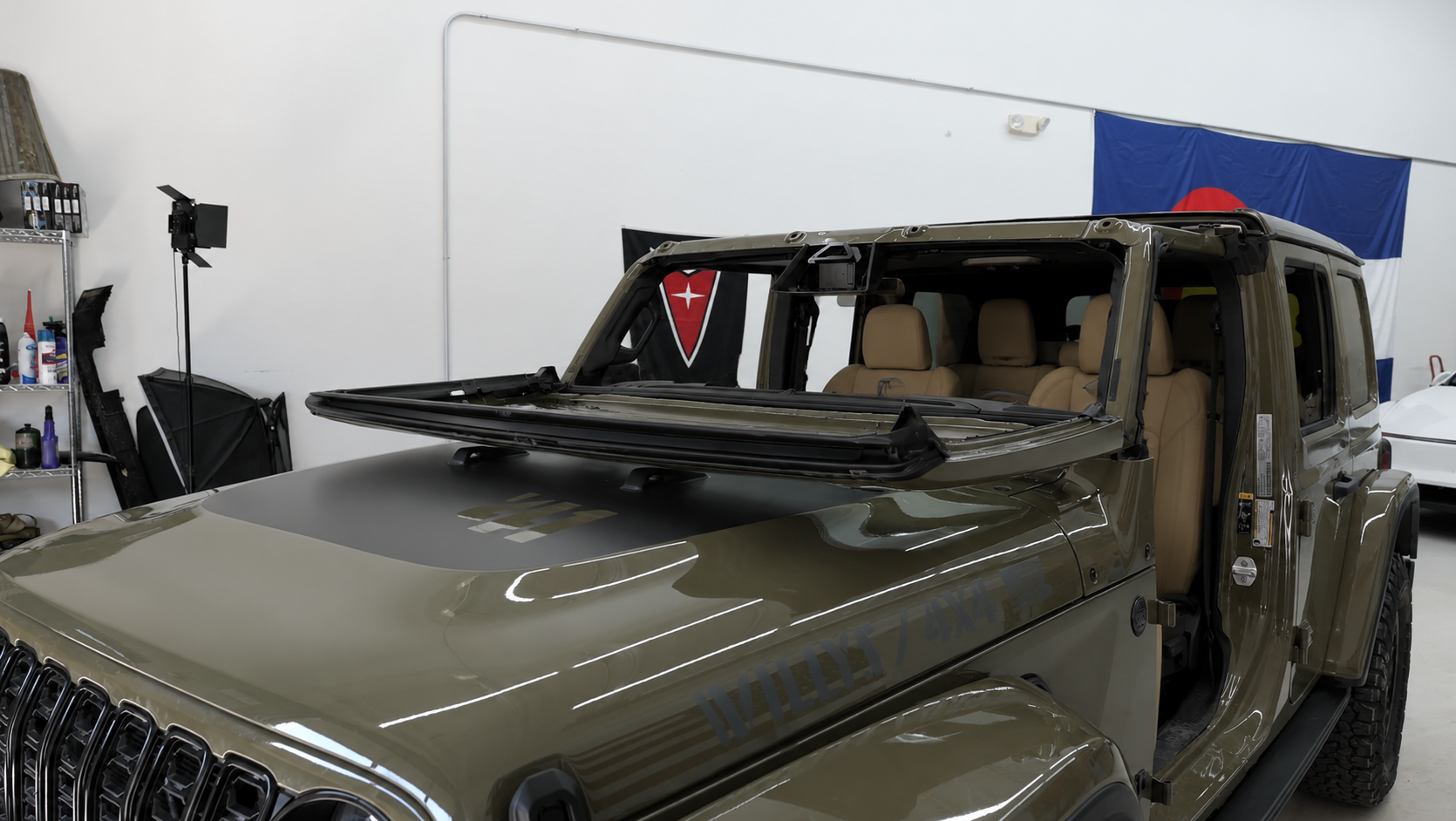
Once the bolts are removed, the windshield folds forward onto rubber hood-mounted supports. These pads are specifically designed to protect the paint and stabilize the windshield frame.
The result creates a dramatic open-air driving experience unlike almost anything else available on the modern automotive market.
Driving Experience With the Windshield Down
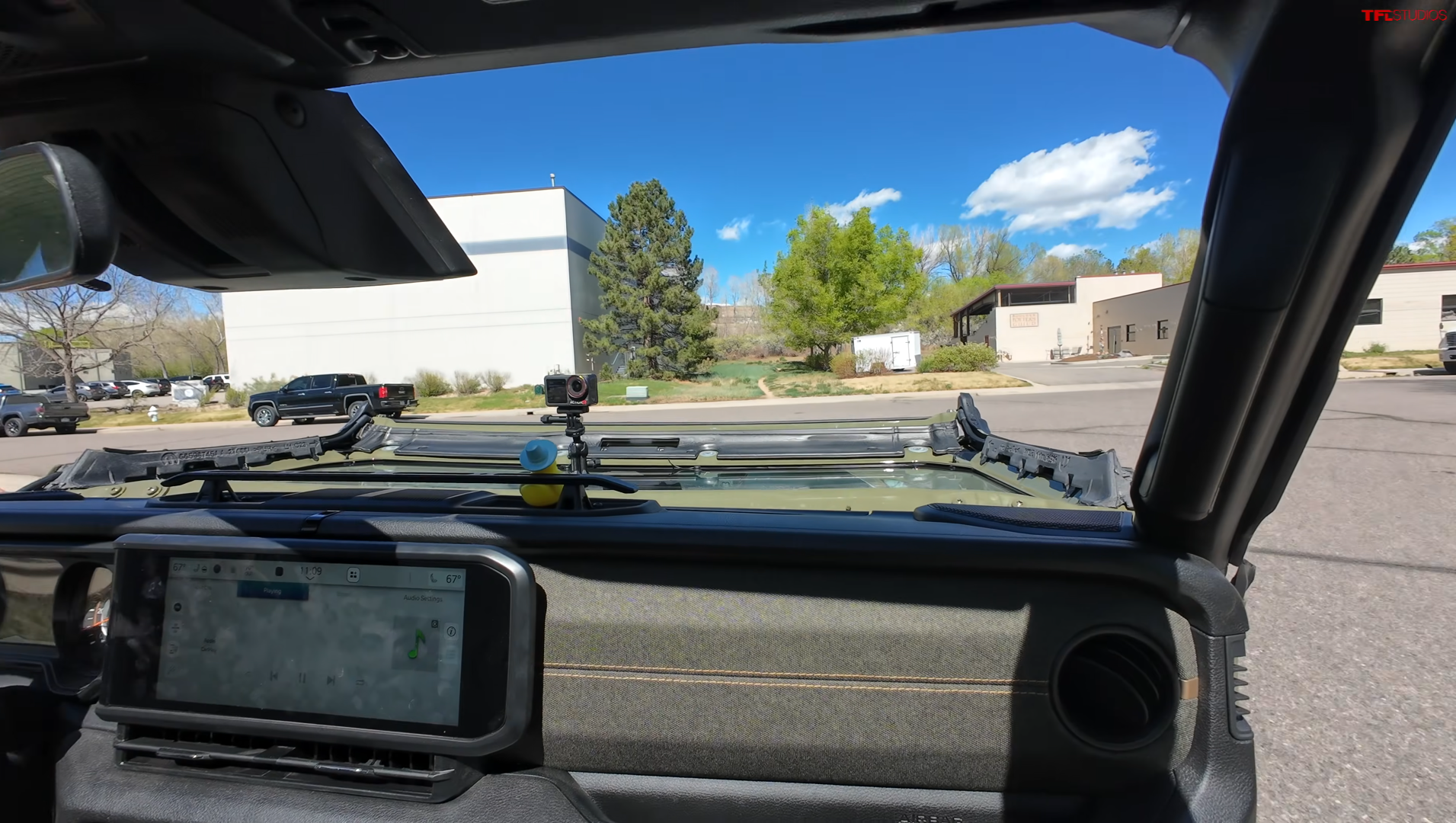
Driving the Wrangler with the windshield folded creates a unique sensation. The cabin feels even more open, and airflow dramatically increases at low speeds.
However, the experience also reveals several drawbacks:
- Forward visibility becomes worse because the remaining structural header bar obstructs the driver’s view.
- Wind exposure increases significantly.
- The setup can feel unstable without additional tie-down accessories.
- Modern camera and sensor systems become exposed to dirt, dust, and debris.
While the feature looks adventurous, it may not actually improve trail driving practicality.
Modern Technology Creates New Challenges
Unlike vintage Jeeps, modern Wranglers contain advanced electronics integrated into the windshield area. Cameras, sensors, and antenna systems are mounted near the frame, raising concerns about durability during off-road use.
The windshield itself is also more expensive to replace because some antenna components are embedded directly into the glass.
This added complexity makes many owners hesitant to use the feature regularly.
Is It Actually Practical?
The TFLnow team ultimately concluded that folding the windshield down is more about emotional appeal than real-world usability.
For most owners:
- Visibility does not improve
- Dust exposure increases
- Electronics remain vulnerable
- Legal restrictions vary by state
Still, the feature remains deeply important to Jeep enthusiasts because it preserves a direct connection to the Wrangler’s heritage.
Why Jeep Continues Offering It
From an engineering perspective, keeping the fold-down windshield alive is expensive and complicated. The system requires:
- Reinforced hinges
- Structural engineering
- Additional sealing solutions
- Crash safety integration
- Noise and vibration management
Despite the low usage rate, Jeep continues offering the feature because it symbolizes the Wrangler’s identity as a true adventure vehicle.
Final Thoughts
The fold-down windshield on the Jeep Wrangler may not be a feature most owners use regularly, but its existence matters. It connects modern Wranglers to decades of Jeep history and reinforces the brand’s commitment to preserving authentic off-road character.
While the process is easier than ever on the JL generation, the feature remains more nostalgic than practical. Still, for Jeep enthusiasts, knowing the capability exists is part of what makes the Wrangler unlike anything else on the road today.