

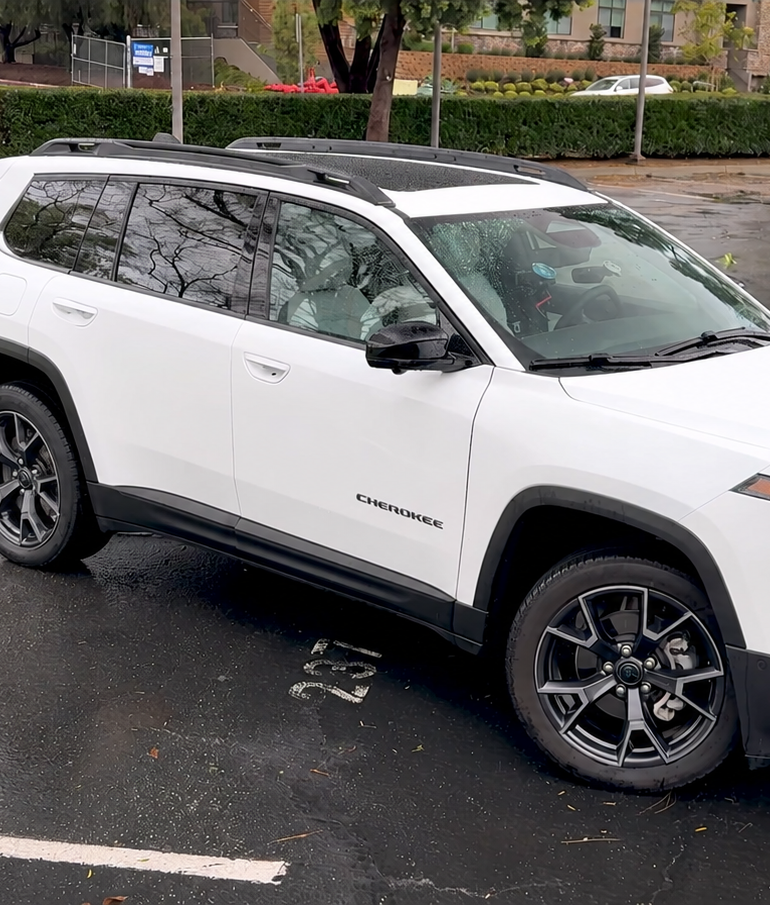
After a brief absence from Jeep’s lineup, the Cherokee returns for 2026 as an entirely redesigned sixth-generation model, marking one of the most significant transformations in the vehicle’s history. Rather than simply refreshing the previous formula, Jeep has reimagined its midsize SUV around electrification, improved practicality, and everyday refinement. The result is a hybrid-only crossover that aims to compete directly with segment leaders like the Toyota RAV4 Hybrid and Honda CR-V Hybrid while maintaining the rugged personality that has long defined the Cherokee name.
A New Platform with Bigger Ambitions
The sixth-generation Cherokee is built on Stellantis’ new STLA Large architecture, replacing the aging platform used by its predecessor. Beyond improving structural rigidity and ride quality, the new platform enables a noticeably larger footprint.
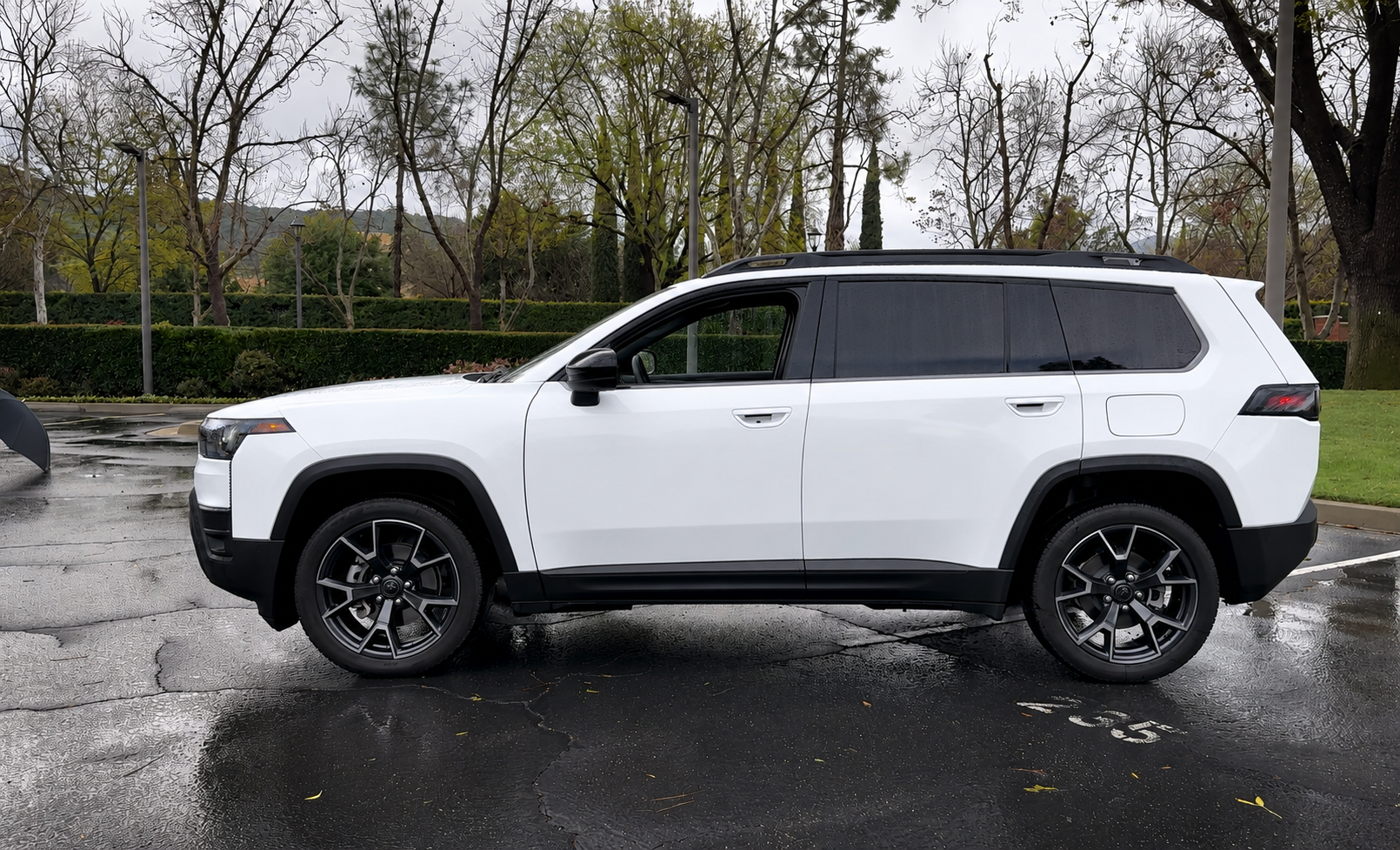
Its wheelbase has grown by more than six inches, while overall length has also increased substantially. These dimensional changes translate into significantly more passenger room and a much more accommodating cargo area. Rear-seat occupants benefit from increased legroom, while cargo capacity rises by roughly 30 percent over the outgoing Cherokee. The result is an SUV that now feels considerably closer in size and usability to a previous-generation Grand Cherokee than to the compact crossover it replaces.
Despite the larger dimensions, the Cherokee retains a clean, upright stance that emphasizes practicality without becoming unnecessarily bulky.
Hybrid Power Becomes the Standard
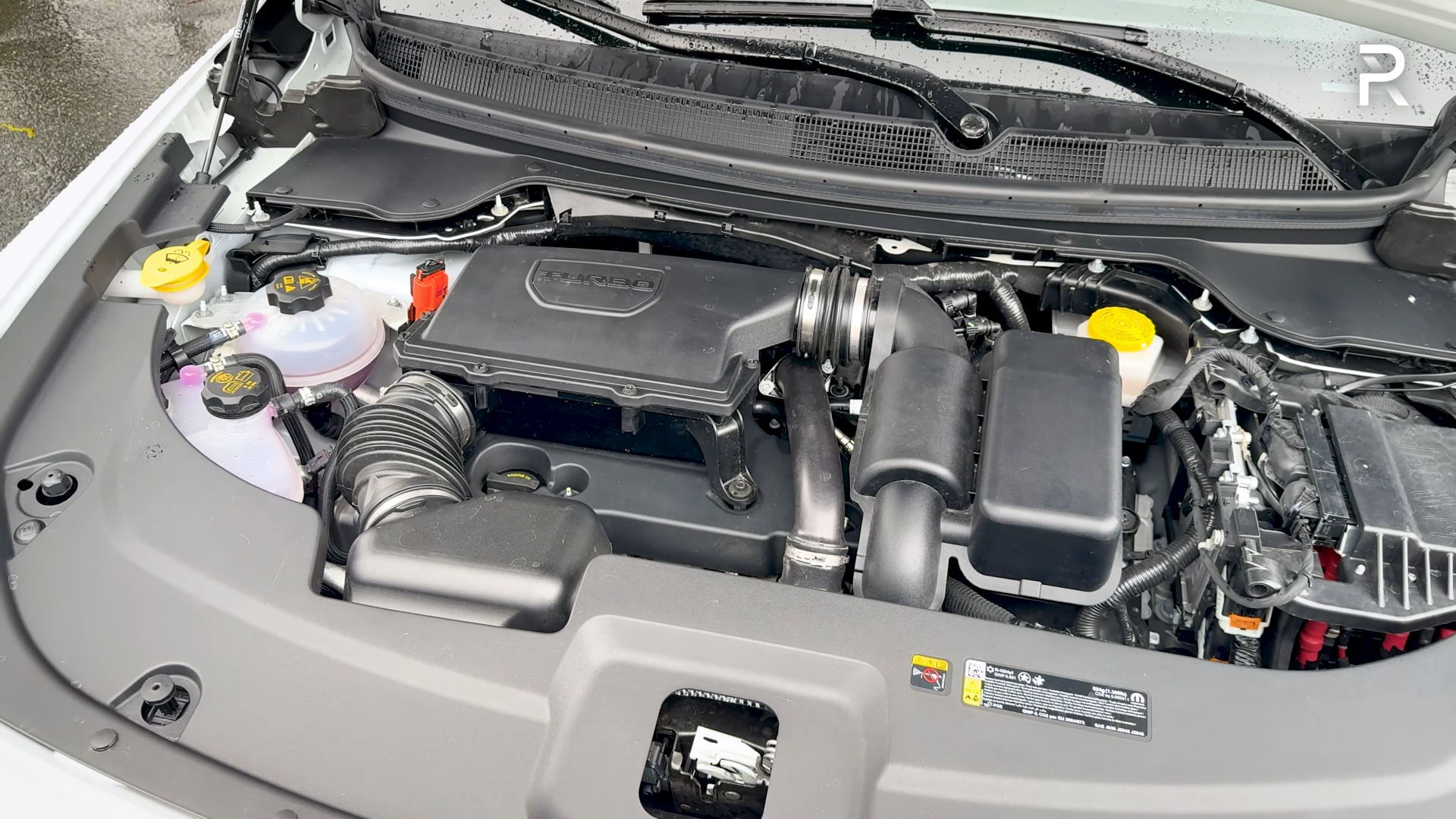
Perhaps the biggest change lies beneath the hood. Jeep has eliminated traditional gasoline-only powertrains in favor of an all-new series-parallel hybrid system, making this the brand’s first conventional hybrid SUV sold in North America.
The powertrain combines a turbocharged 1.6-liter four-cylinder engine with two electric motors and an electronically controlled transmission. Together they produce approximately 210 horsepower and 230 lb-ft of torque while delivering substantially improved fuel economy.
Jeep estimates fuel economy at approximately 39 mpg in the city, 35 mpg on the highway, and 37 mpg combined—roughly a 50 percent improvement compared with the previous generation. Combined with its 13.7-gallon fuel tank, the Cherokee is capable of traveling more than 500 miles between fill-ups under ideal conditions.
Unlike Jeep’s discontinued 4xe plug-in hybrid models, this system charges itself automatically during driving. The small lithium-ion battery allows limited electric-only operation during low-speed driving, while regenerative braking continually replenishes battery energy.
Standard Active Drive all-wheel drive further separates the Cherokee from many competitors that reserve AWD for higher trims.
Confident Performance Focused on Efficiency
Performance is respectable rather than exhilarating. Jeep estimates a 0-60 mph time of around 8.7 seconds, although real-world testing suggests the SUV can achieve slightly quicker acceleration under favorable conditions.
More impressive than outright speed is the smooth integration between gasoline and electric power. Transitions are nearly seamless, with instant electric torque helping the Cherokee feel responsive during city driving and highway merging.
The electronic transmission avoids the rubber-band sensation associated with traditional CVTs, delivering a more natural driving experience. While the turbocharged engine becomes somewhat coarse under heavy acceleration, normal commuting remains quiet and refined.
Ride quality is tuned primarily for comfort. The suspension absorbs rough pavement effectively while maintaining stable body control through corners. Steering is light and predictable rather than sporty, reinforcing the Cherokee’s mission as an everyday family crossover.
Although this version is not Trail Rated, approximately eight inches of ground clearance and Jeep’s standard all-wheel-drive system still provide useful capability for snow, gravel roads, and light off-road adventures.
Familiar Jeep Styling with Modern Details
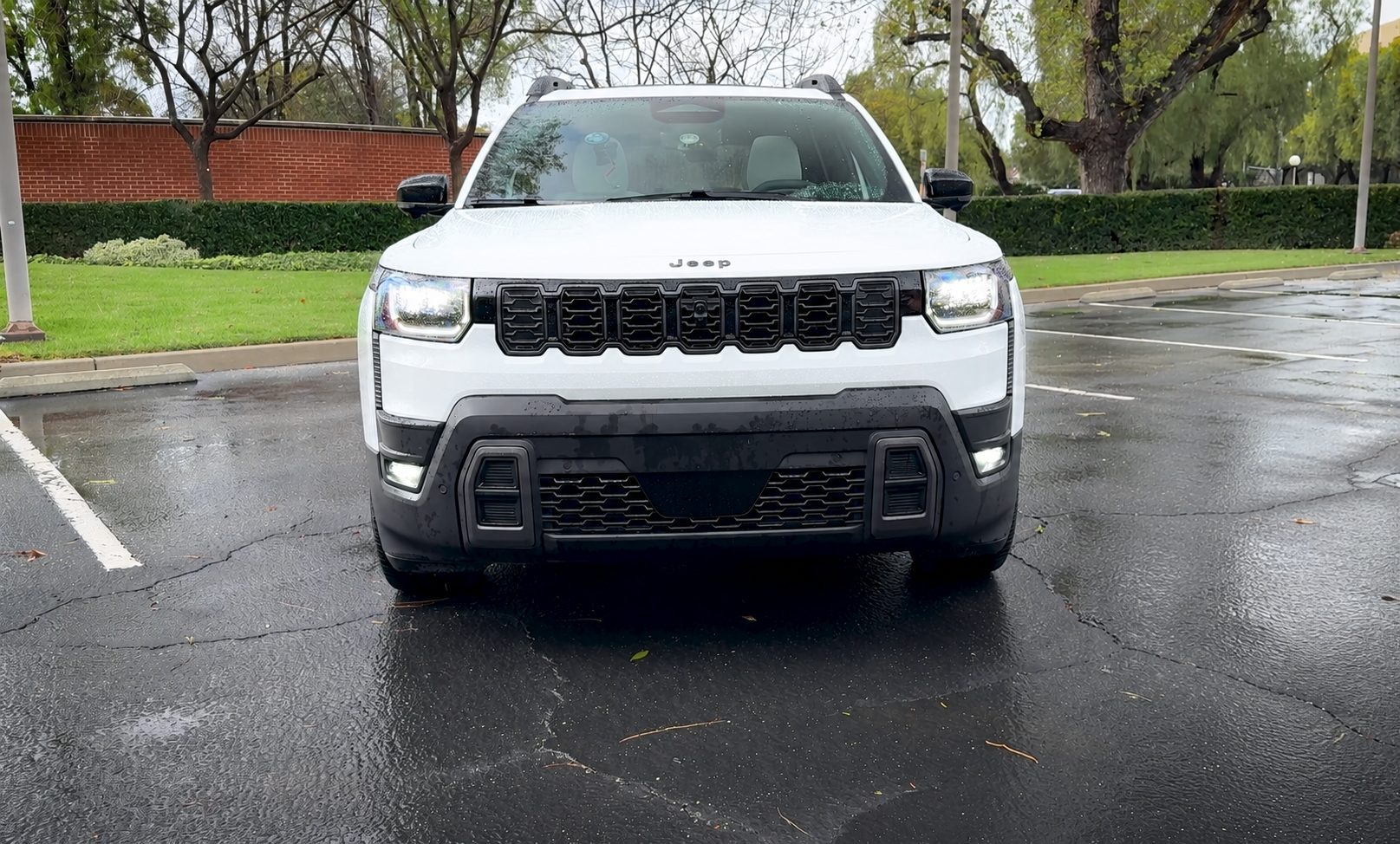
Visually, the new Cherokee embraces a more traditional Jeep identity. The controversial split-headlight design of the previous generation has been replaced by a cleaner front fascia featuring integrated LED lighting and the brand’s signature seven-slot grille.
The upright proportions and squared-off body pay tribute to the classic Cherokee XJ while giving the SUV a stronger, more confident road presence.
Wheel options range from 18-inch alloys on entry-level models to stylish 20-inch machined wheels on the premium Overland trim. Black roof rails, subtle body cladding, and available two-tone paint further reinforce the Cherokee’s rugged appearance without appearing excessive.
The rear styling is more conservative, highlighted by distinctive LED taillights and a wide liftgate that prioritizes functionality.
A More Premium Interior
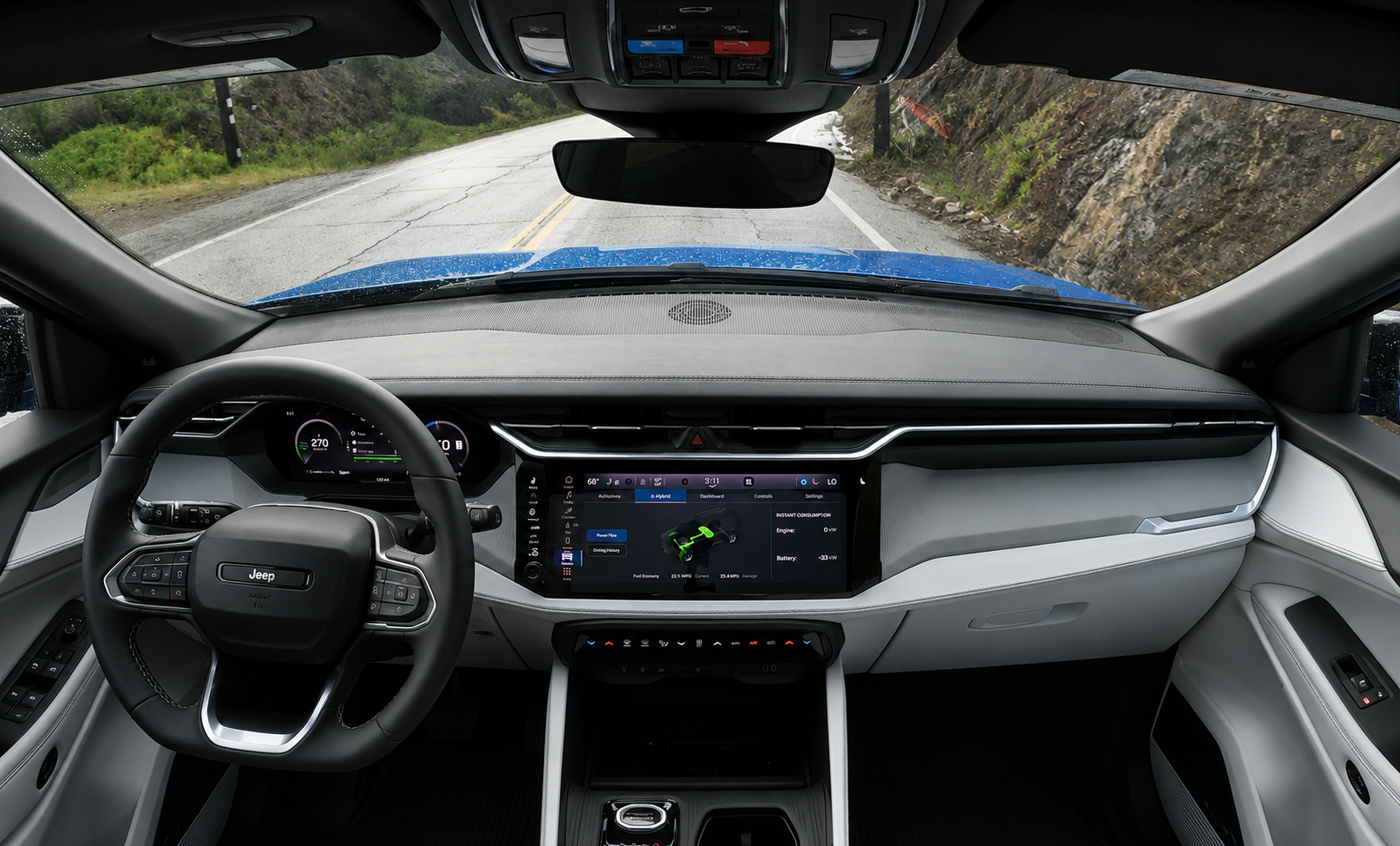
Inside, Jeep has taken a noticeable step forward in material quality and cabin design. Soft-touch surfaces, premium synthetic leather upholstery, bronze contrast stitching, and tasteful trim pieces create an environment that feels considerably more upscale than previous Cherokees.
Technology has also received a major upgrade. Every model features a 10.25-inch digital instrument cluster paired with a 12.3-inch Uconnect 5 infotainment touchscreen. Wireless smartphone integration, digital driver displays, over-the-air updates, and advanced driver-assistance systems are integrated without overwhelming the driver.
Importantly, Jeep has retained physical controls for many climate and vehicle functions, making everyday operation far easier than the increasingly touchscreen-dependent interiors found in some competitors.
Comfort is another highlight. Available heated and ventilated front seats, heated rear seats, panoramic sunroof, premium Alpine audio, wireless charging, and a 360-degree camera system give upper trims a near-luxury experience.
Rear passengers also benefit from generous legroom, reclining seatbacks, rear climate vents, USB-C charging ports, and available household-style power outlets, making the Cherokee especially well suited for families.
Final Verdict
The sixth-generation 2026 Jeep Cherokee represents far more than a simple redesign—it marks a complete strategic reset for one of Jeep’s most recognizable nameplates. By embracing hybrid technology, expanding interior space, improving refinement, and standardizing all-wheel drive, Jeep has positioned the Cherokee as a serious contender in the fiercely competitive midsize crossover segment.
While performance trails some rivals, the hybrid system delivers impressive efficiency, smooth everyday drivability, and a driving experience that prioritizes comfort over outright speed. Combined with its spacious interior, upgraded technology, and unmistakable Jeep character, the new Cherokee successfully modernizes a legendary name without abandoning the versatility buyers expect.
For shoppers seeking a fuel-efficient family SUV that blends everyday practicality with genuine all-weather capability, the 2026 Jeep Cherokee makes a compelling return and may once again become one of Jeep’s most important models.
Source: Redline Reviews