

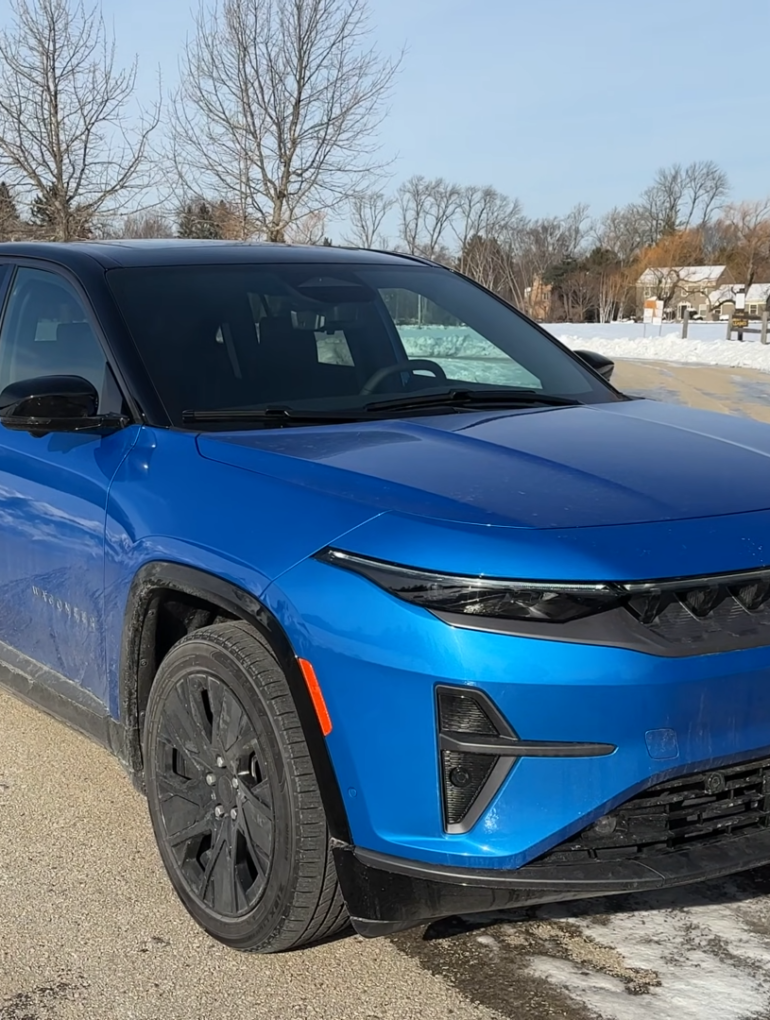
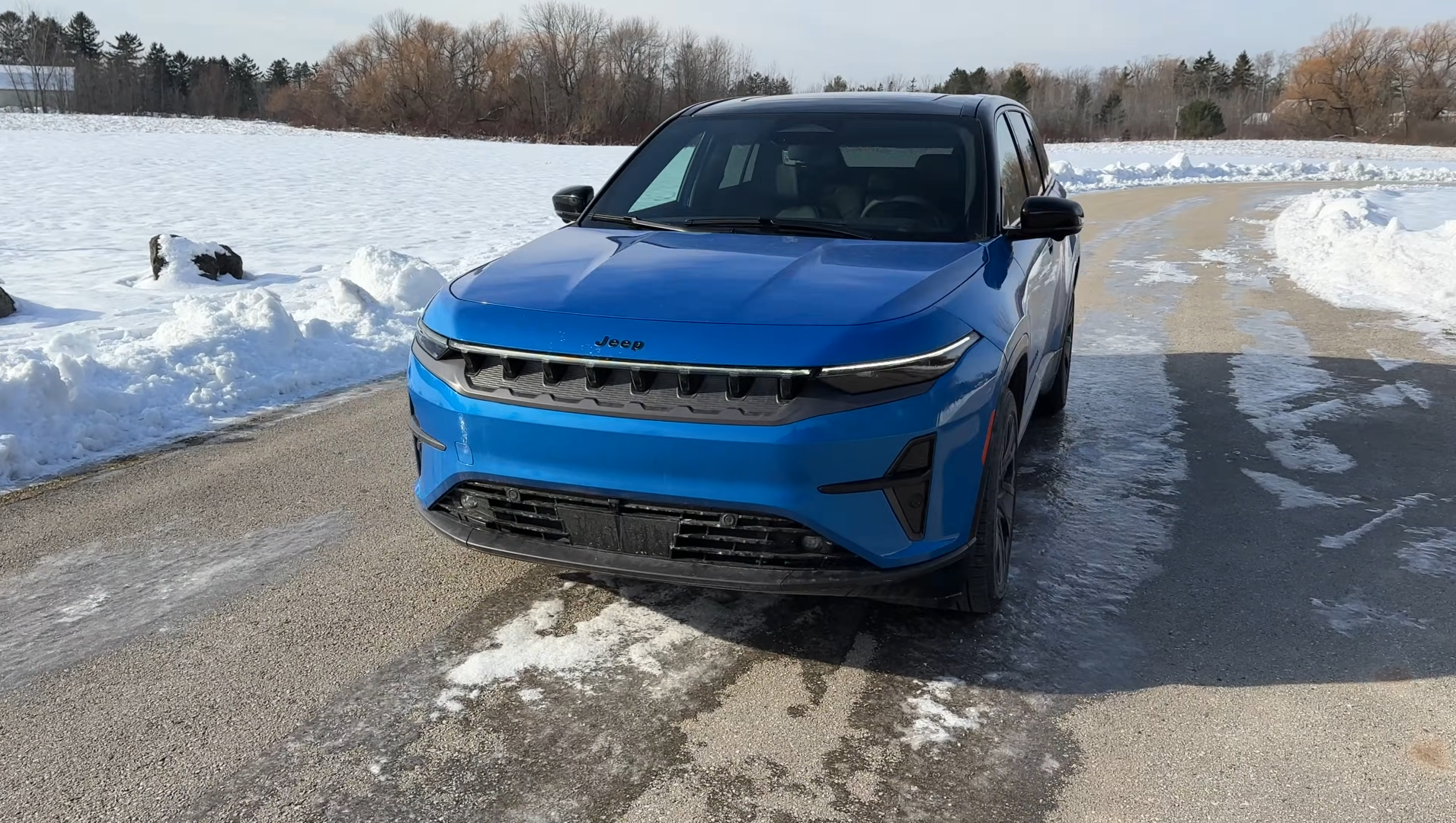
The all-electric Jeep Wagoneer S marks a major turning point for Jeep. As the brand’s first mainstream battery-electric SUV, the Wagoneer S aims to blend luxury, technology, and high-performance EV capability into a premium midsize package. In a recent winter test by the automotive channel Downshift, the new EV was pushed through freezing Wisconsin temperatures to evaluate how it performs in real-world cold-weather conditions.
The result is a vehicle that feels impressively fast and upscale, but also exposes some of the compromises still associated with electric SUVs in harsh climates.
A Surprisingly Quick Electric Jeep
Power is unquestionably the Wagoneer S’s headline feature. The dual-motor all-wheel-drive setup produces 600 horsepower and 617 lb-ft of torque, launching the SUV from 0–60 mph in roughly 3.5 seconds. That places it firmly among high-performance luxury EVs rather than traditional Jeep products.
Drivers noted that the SUV feels aggressively quick, especially in Sport mode where traction control loosens enough to allow dramatic four-wheel burnouts. Despite weighing over 5,500 pounds, acceleration remains immediate and forceful.
While straight-line speed impresses, the driving experience isn’t entirely polished. Reviewers criticized the throttle calibration at low speeds, describing a slight delay between pedal input and vehicle response. In parking lots and stop-and-go traffic, this caused the SUV to feel jumpy and overly sensitive once power delivery kicked in.
Still, for highway cruising and daily commuting, the Wagoneer S was described as comfortable, quiet, and refined.
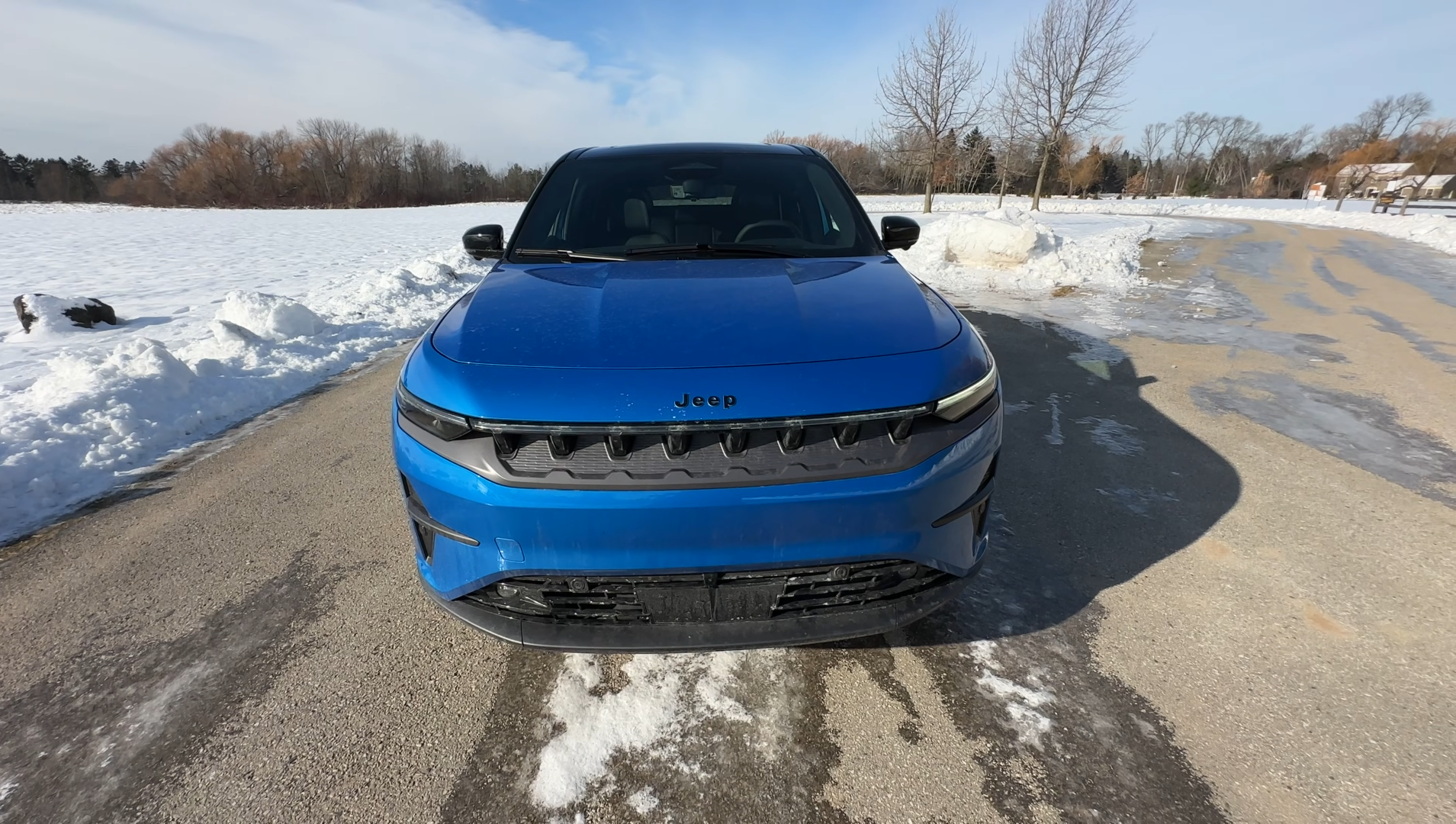
Cold Weather Reveals EV Challenges
The most revealing part of the test centered on winter efficiency. Equipped with a 100-kWh battery pack and an EPA-estimated range of just over 300 miles, the Wagoneer S theoretically delivers competitive EV range figures. However, freezing temperatures dramatically affected performance.
During one highway efficiency test conducted after the battery had warmed up in a garage, the SUV achieved approximately 2.1 miles per kWh at 75 mph, translating to around 210 miles of real-world highway range. Under more moderate mixed-driving conditions, the testers managed roughly 3.1 miles per kWh, close to the official EPA estimate.
But after sitting outside for two days in temperatures near 10°F, the vehicle’s efficiency dropped sharply. One driver reported losing nearly 16% battery charge during an 18-mile commute, highlighting how cold-soaked batteries can significantly reduce range and efficiency in EVs.
The experience reinforced a familiar truth for electric vehicle owners: battery temperature management matters enormously in winter climates.
Premium Interior Loaded With Technology
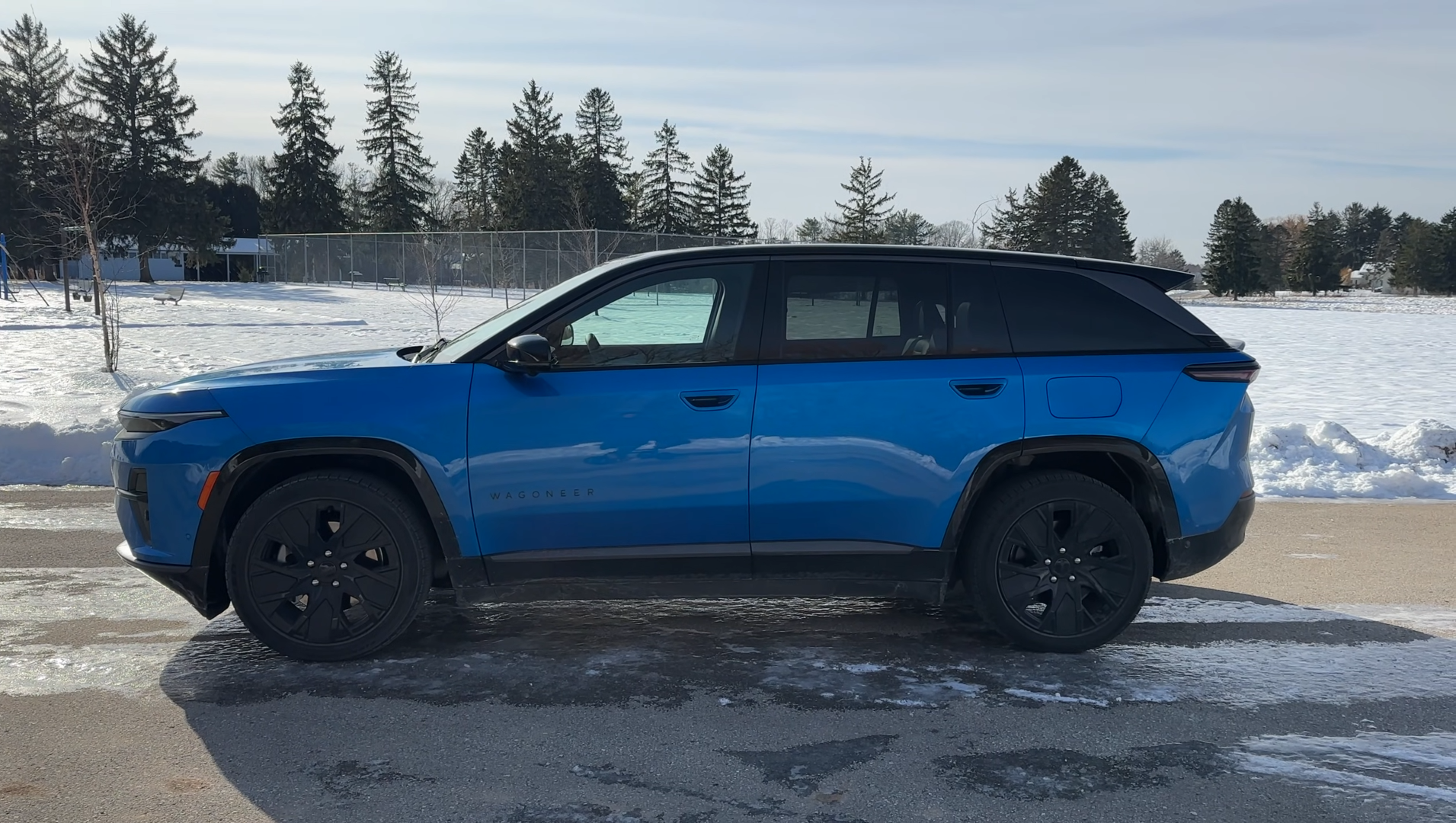
Inside, the Wagoneer S leans heavily into luxury. Heated, ventilated, and massaging front seats combine with heated and cooled rear seats, a panoramic sunroof, Alcantara-style headliner, and multiple digital displays.
The dashboard is dominated by screens, including a passenger-side display capable of streaming media or even connecting gaming consoles through HDMI inputs. Wireless Apple CarPlay and Android Auto come standard through the latest Uconnect 5 system.
Reviewers praised the material quality and overall cabin design, noting it feels more premium than several similarly priced rivals. However, they also pointed out occasional infotainment lag and touch-sensitive controls that require firmer presses than expected.
Styling and Identity Questions
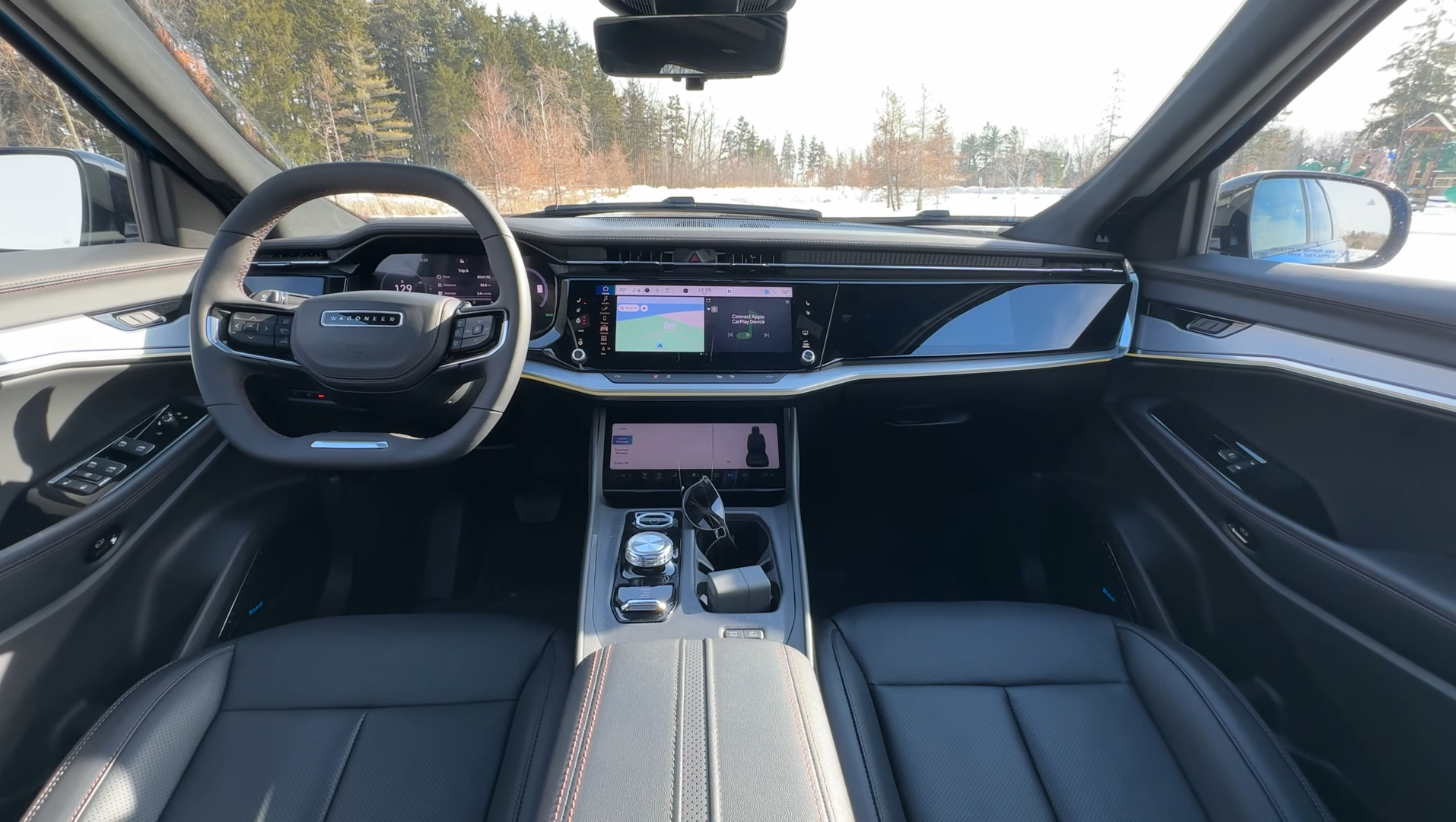
Visually, the Wagoneer S delivers a sleek and modern appearance. The aggressive roofline, illuminated grille, flush door handles, and large rear spoiler give it a sporty personality that separates it from Jeep’s rugged off-road heritage. That distinction may also be its biggest challenge.
Despite carrying the Wagoneer name, the SUV lacks the traditional characteristics associated with the larger gasoline-powered Wagoneer models. It has only two rows, uses a unibody platform instead of body-on-frame construction, and focuses more on luxury performance than rugged utility.
Reviewers repeatedly questioned whether the vehicle should have been marketed as a Grand Cherokee EV instead, arguing the Wagoneer badge may create confusion among buyers expecting a larger family SUV.
Competitive but Crowded Segment
Priced between $67,000 and $73,000 depending on trim, the Wagoneer S enters an increasingly crowded premium EV market. Rivals include the Cadillac Lyriq, Audi Q6 e-tron, BMW iX, and even performance-focused alternatives like the Hyundai Ioniq 5 N.
The Wagoneer S stands out for its acceleration, upscale cabin, and bold styling, but winter efficiency concerns and slightly unrefined driving dynamics prevent it from fully dominating the segment.
Even so, the vehicle represents an important step forward for Jeep’s electrification strategy. If future models refine the thermal management systems and sharpen the driving experience, Jeep may have a strong foundation for its next generation of EVs.
Source: Downshift