

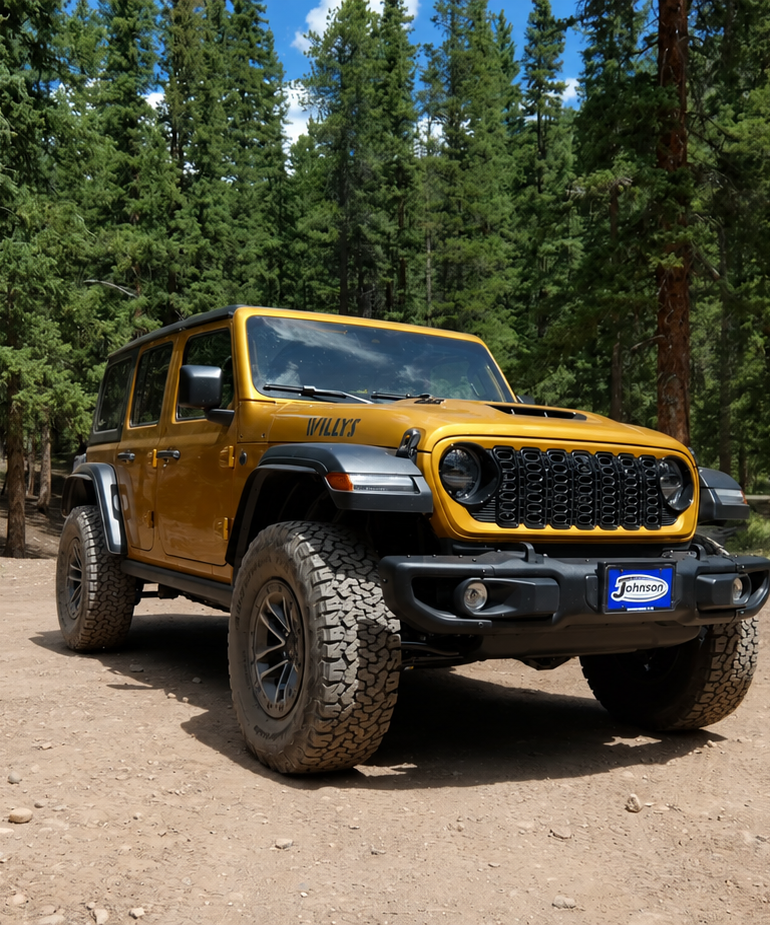
The return of the HEMI-powered Jeep Wrangler has reignited enthusiasm among off-road enthusiasts, but the introduction of the 2026 Jeep Wrangler Willys 392 raises an interesting question: can a more affordable V8-powered Wrangler deliver nearly the same trail capability as its premium Rubicon siblings? To answer that, Tommy and Kase from TFLoffroad pointed the new Willys 392 toward one of Colorado’s most demanding high-altitude trails—Red Cone Pass.
Their expedition wasn’t merely another scenic mountain drive. It served as a comprehensive real-world evaluation of the Willys 392’s engineering, testing its drivetrain, suspension, traction systems, and overall durability against technical rock gardens, steep climbs, and narrow shelf roads that have humbled many capable off-road vehicles.
A Proper Trial for a Brand-New Wrangler
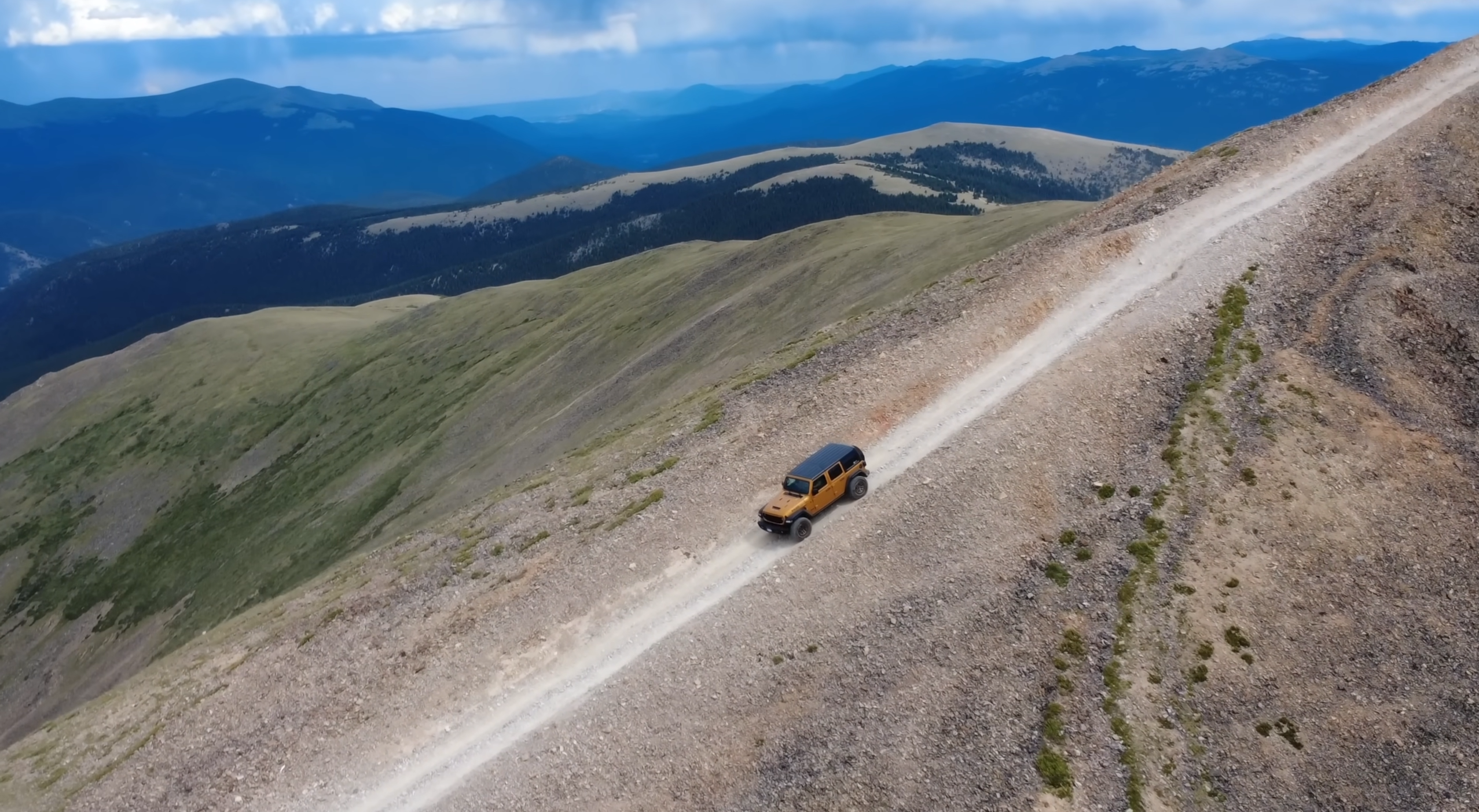
With barely 200 miles on the odometer, the $75,000 Wrangler was immediately thrown into one of Colorado’s most iconic off-road destinations. Red Cone Pass is rated around 6 out of 10 for difficulty, but its reputation comes from a relentless combination of rocky obstacles, deep ruts, loose shale, and an infamous descent that demands complete driver confidence.
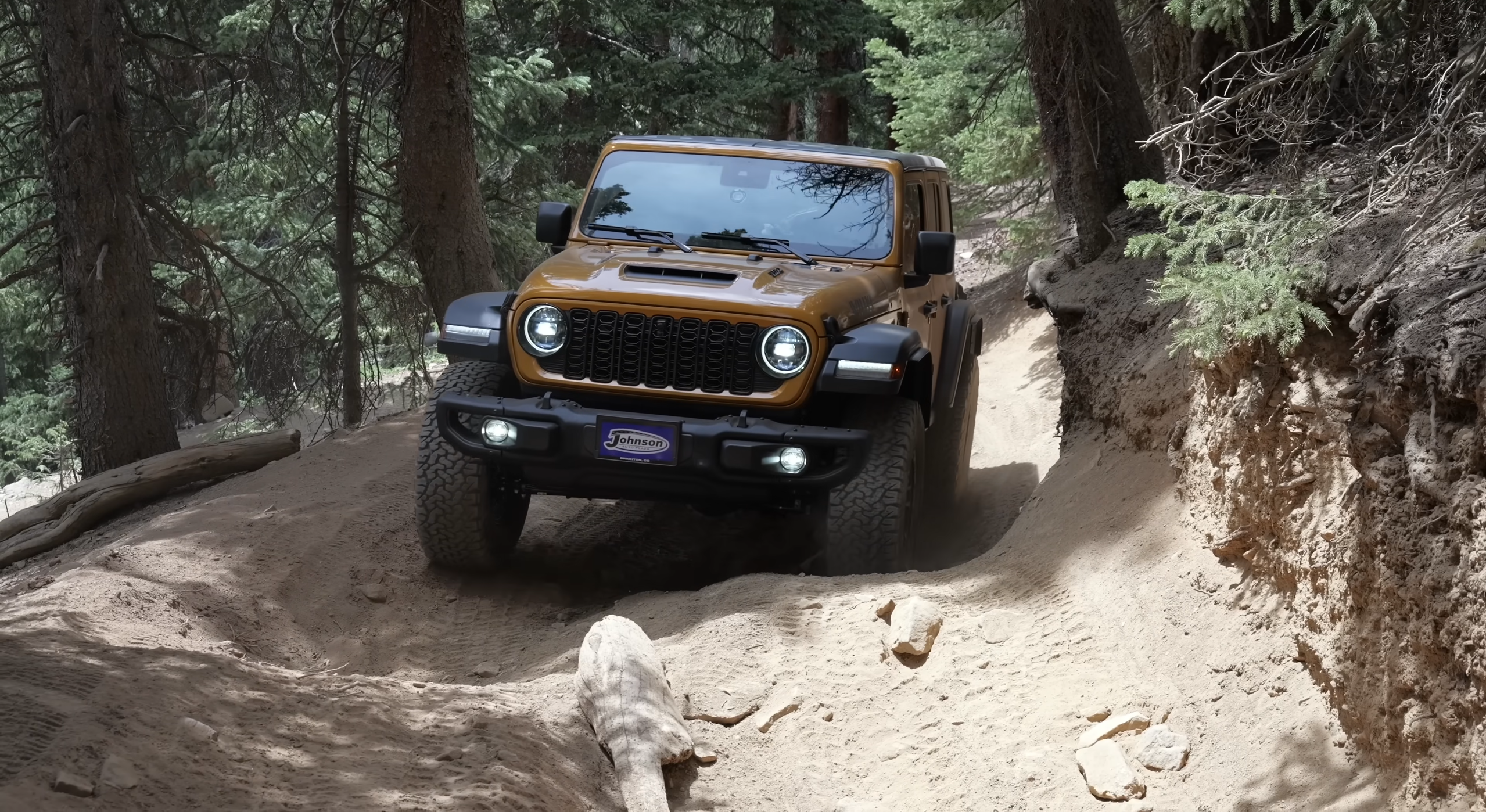
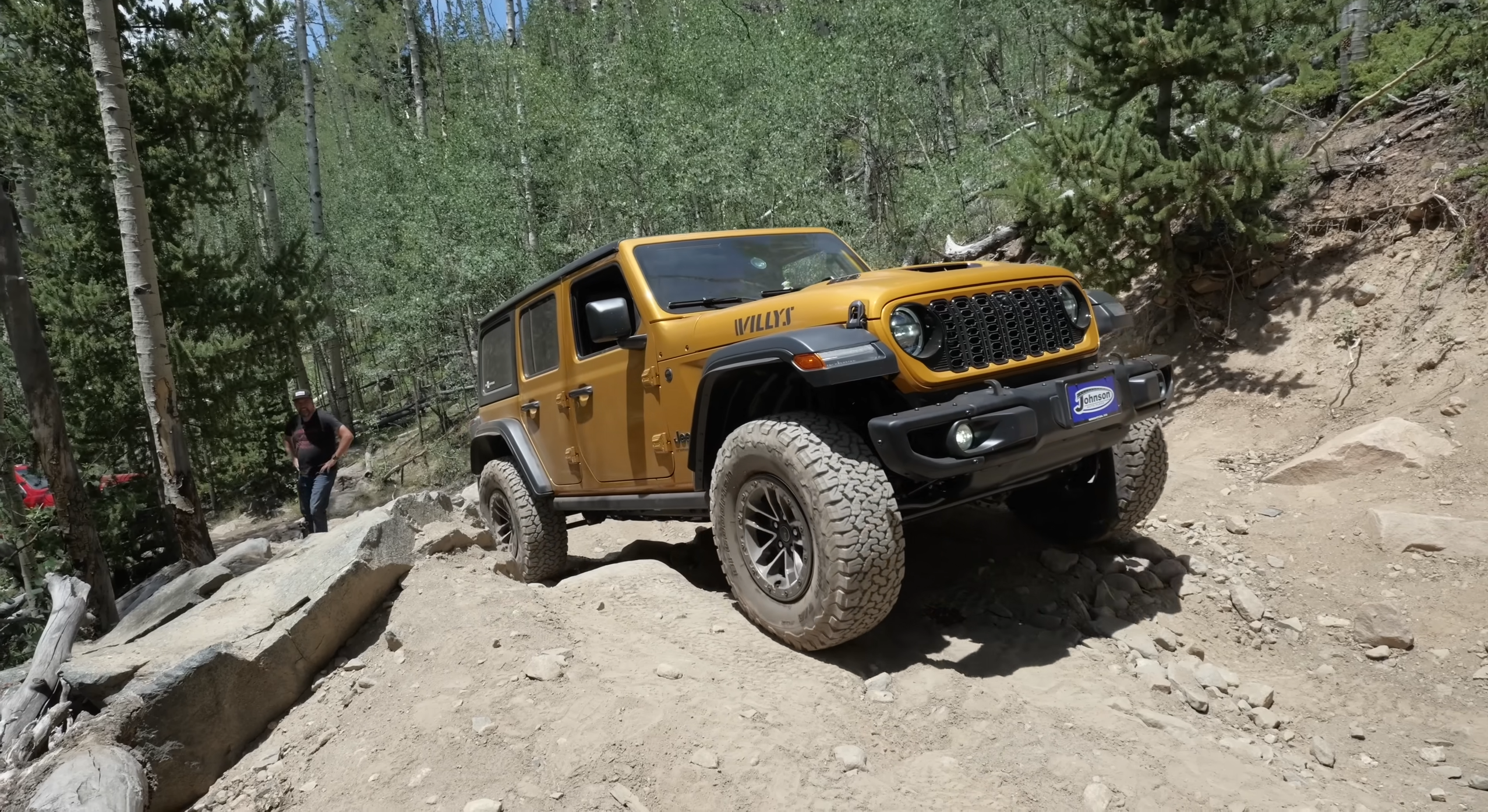
The first major challenge was the notorious Gatekeeper, a rock obstacle known for scraping bumpers, crushing rocker panels, and trapping long-wheelbase vehicles. Rather than relying on speed, Tommy carefully picked a line using the Willys’ rear locking differential and 35-inch tires. While the Jeep’s rock rails earned a few scratches, they successfully protected the bodywork, allowing the Wrangler to emerge with no significant damage.
The obstacle highlighted one of the Willys’ defining traits. Despite lacking the Rubicon’s front locking differential and electronic sway-bar disconnect, it remained impressively composed through careful tire placement and modern traction management.
Less Hardware, More Capability Than Expected
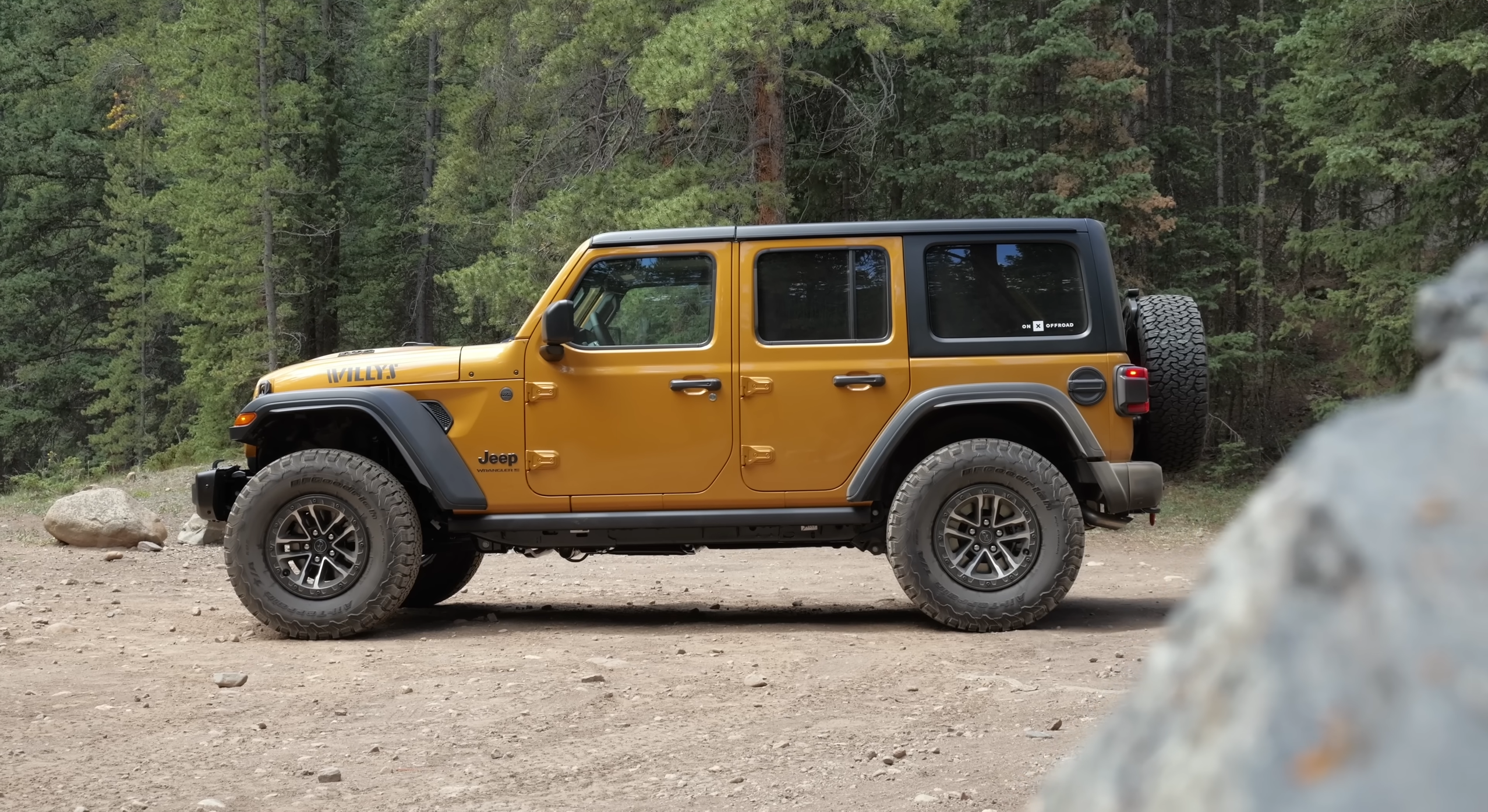
The Willys 392 occupies an interesting place in Jeep’s lineup. Instead of loading it with every available off-road feature, Jeep focused on preserving the centerpiece—the naturally aspirated 6.4-liter HEMI V8 producing 470 horsepower and 470 lb-ft of torque—while trimming some of the premium hardware to reduce the overall price.
Compared with the Wrangler 392 Moab and the previous Rubicon 392 Final Edition, buyers sacrifice a front locker and disconnecting sway bar. However, they still receive:
- 35-inch all-terrain tires
- Dana solid axles
- Rear locking differential
- Two-speed transfer case with 4-Low
- Heavy-duty off-road suspension
- Hardtop configuration on this test vehicle
Throughout Red Cone Pass, the missing front locker rarely became a limiting factor. Jeep’s electronic traction control worked effectively alongside the rear locker, allowing the Willys to crawl over uneven rock formations with surprising ease.
The added weight of the HEMI engine also helped compress the suspension enough to maintain respectable articulation, even with the front sway bar permanently connected.
The HEMI Changes Everything
While the Wrangler has long been recognized for exceptional off-road ability, the HEMI fundamentally transforms its personality.
On pavement, the V8 injects a level of excitement absent from the standard V6 or four-cylinder models. Acceleration feels aggressive, accompanied by the unmistakable soundtrack of the naturally aspirated engine and its active exhaust. According to the TFLoffroad team, the Wrangler’s immense torque gives it an almost comical sense of urgency, making it feel unlike any other production Wrangler.
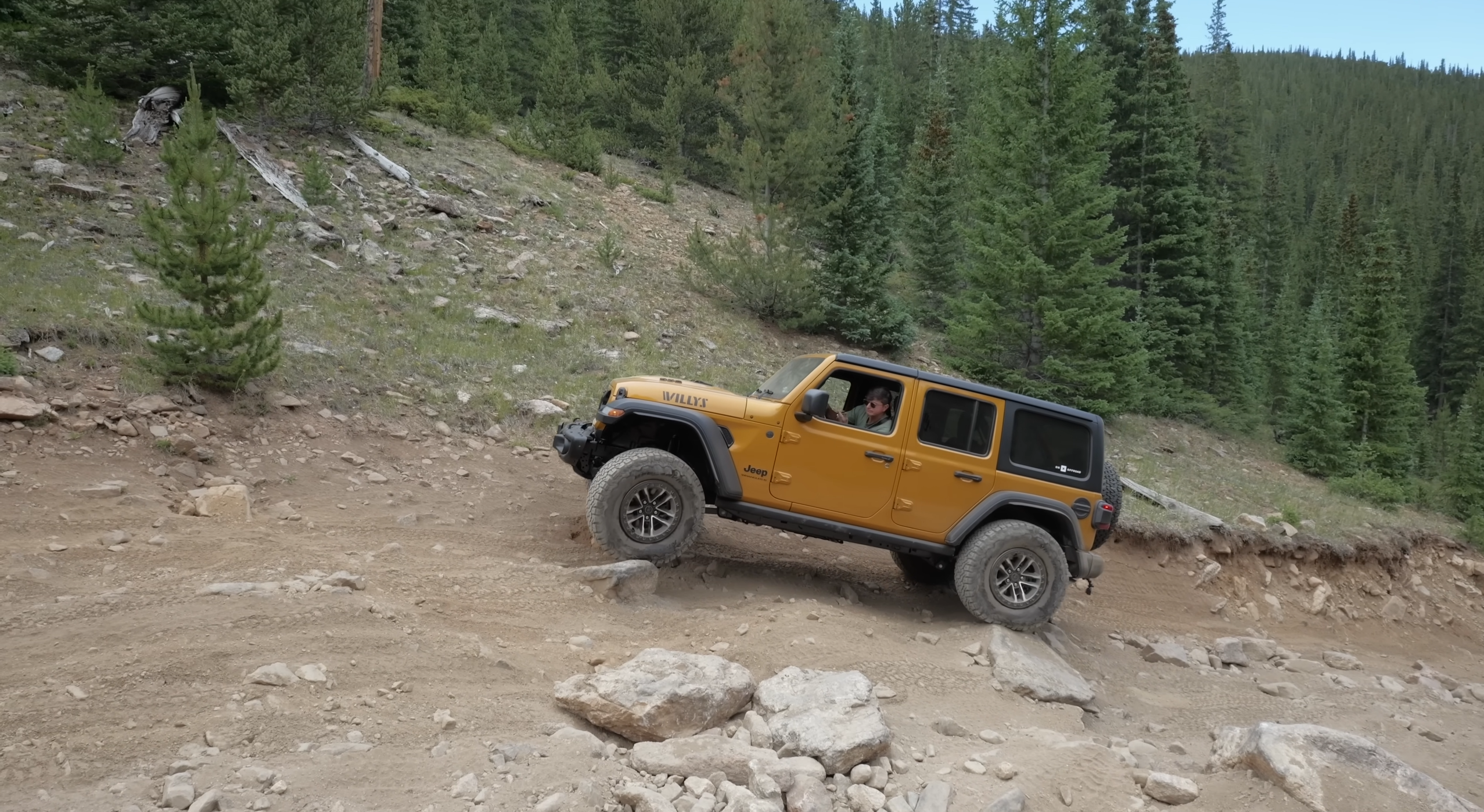
Off-road, however, that same engine becomes equally valuable. The abundant low-end torque enables controlled rock crawling without excessive throttle input, while the substantial engine braking proves invaluable during Red Cone’s notoriously steep descent toward Montezuma.
Combined with Jeep’s Select-Speed Control, the Wrangler maintained slow, controlled progress downhill with minimal brake application, reducing driver workload on the loose shale surface.
Confidence Across Every Obstacle
As the climb continued above the tree line toward elevations exceeding 12,800 feet, the Willys continued to impress. Rock gardens, deep erosion trenches, and uneven ledges showcased the predictable behavior of the Wrangler’s solid front axle. Visibility remained excellent, allowing precise tire placement even in tight sections where wider vehicles such as the Ford Bronco Raptor could struggle.
The reviewers noted that, while the optional front locker would undoubtedly add capability for extreme rock crawling, the Willys configuration already provides more than enough performance for the overwhelming majority of recreational off-road enthusiasts. Simply put, there were very few obstacles on Red Cone where the Willys felt outmatched.
Minor Weaknesses Surface
The demanding trail did expose one weakness. Several times during low-speed rock crawling, the Wrangler displayed warnings indicating that the electric power steering system was overheating. Although steering assistance never noticeably diminished and the warnings disappeared after cooling, the recurring alerts suggest that Jeep’s steering system could benefit from additional thermal capacity, particularly when paired with the heavier HEMI engine and 35-inch tires.
Fuel economy also proved predictably poor. During the prolonged climb, the onboard computer frequently displayed instantaneous readings between one and two miles per gallon, reinforcing that efficiency was never the mission of a V8-powered Wrangler.
Verdict
The 2026 Jeep Wrangler Willys 392 demonstrates that exceptional off-road performance doesn’t necessarily require every premium trail-focused feature. Despite omitting the Rubicon’s front locker and sway-bar disconnect, the combination of a 470-horsepower HEMI V8, rear locker, solid axles, and 35-inch tires proved remarkably capable on one of Colorado’s toughest trails.
Red Cone Pass confirmed that the Willys 392 offers a compelling balance between performance, capability, and value. While the Moab variant may justify its higher price for hardcore rock crawlers, the Willys delivers nearly all the trail confidence most buyers will ever need—along with one of the most charismatic V8 driving experiences available in any production SUV.
Source: TFLoffroad