

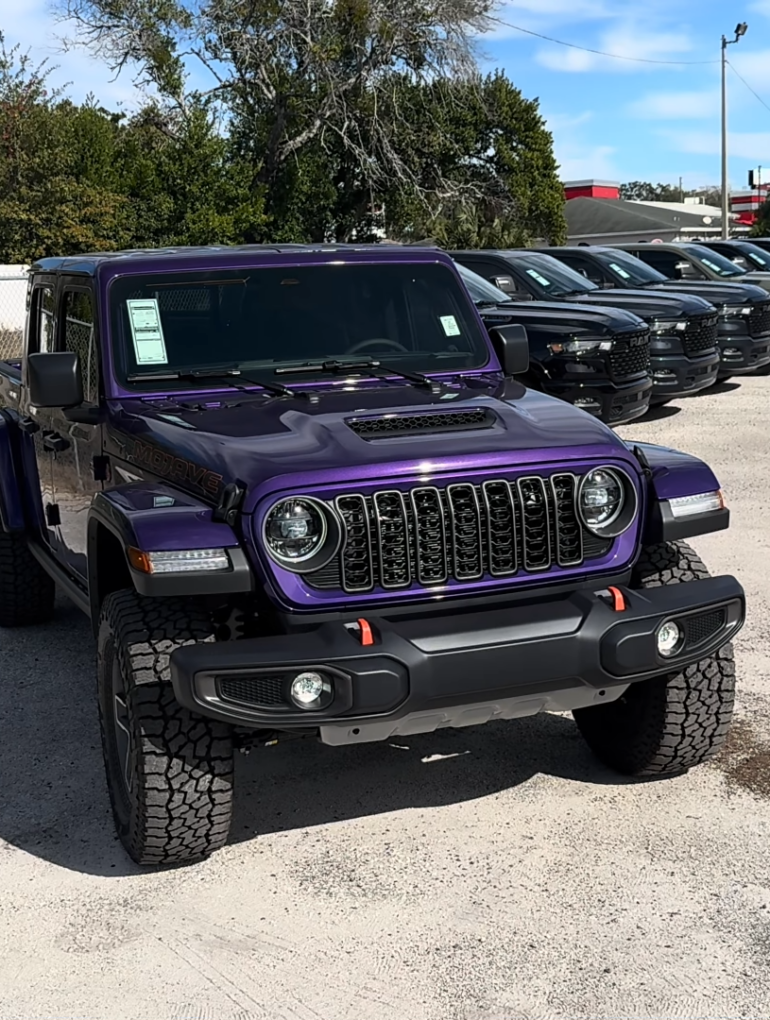
The 2026 Jeep Gladiator Mojave occupies a uniquely narrow—but highly intentional—slice of the midsize truck market. Where competitors chase refinement or towing supremacy, Jeep continues to double down on off-road specialization, and the Mojave stands as the brand’s high-speed desert runner. It’s not merely a trim level; it’s a philosophy.
Platform Evolution and Powertrain Reality
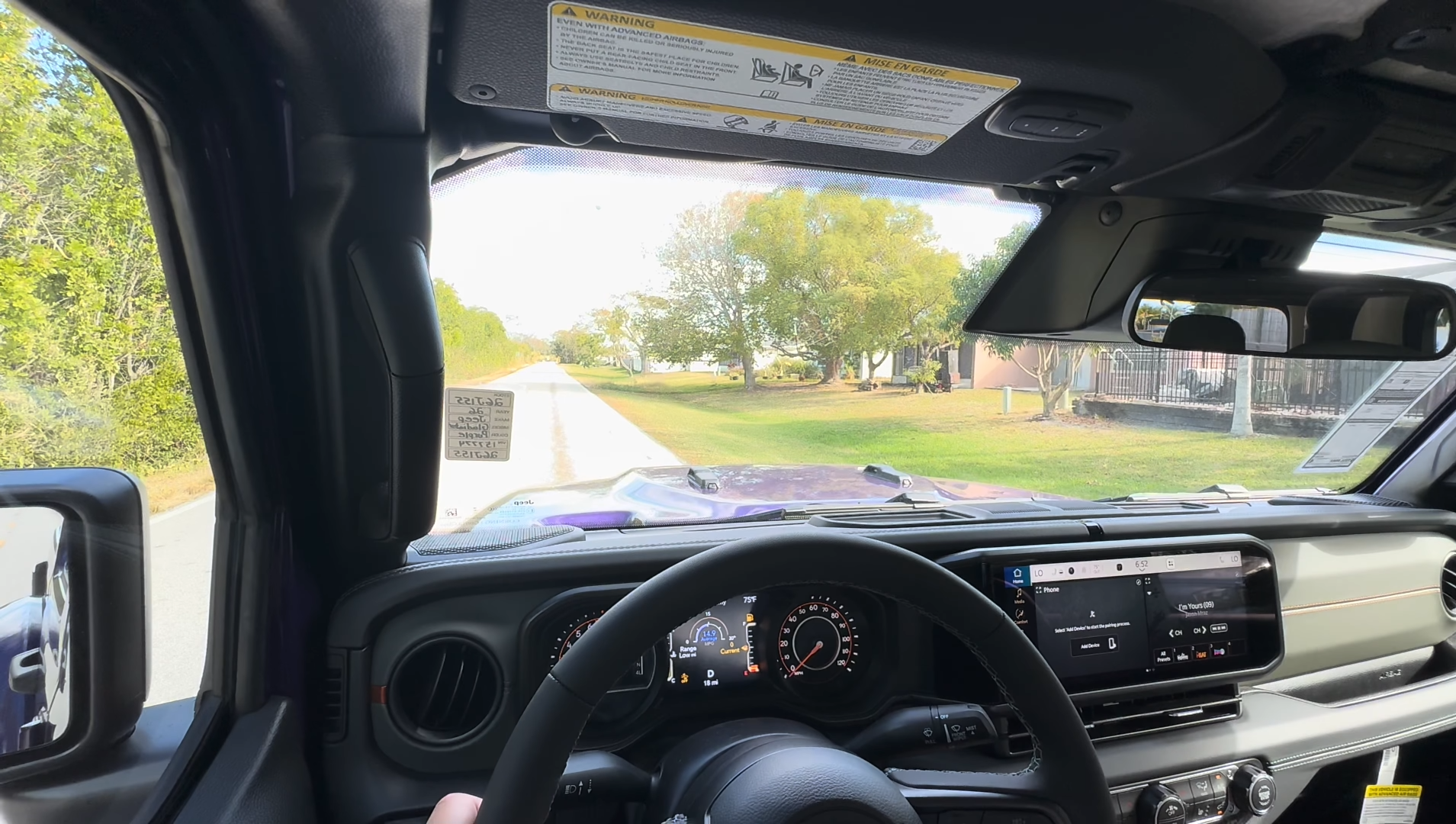
Since its 2024 mid-cycle refresh, the Gladiator lineup has undergone a subtle but meaningful transformation. Exterior revisions—reworked grille, updated bumpers, and new wheel designs—modernize the truck without diluting its Wrangler-derived DNA. Inside, the shift to a 12.3-inch infotainment system significantly elevates usability, though the absence of integrated navigation remains a curious omission at this price point.
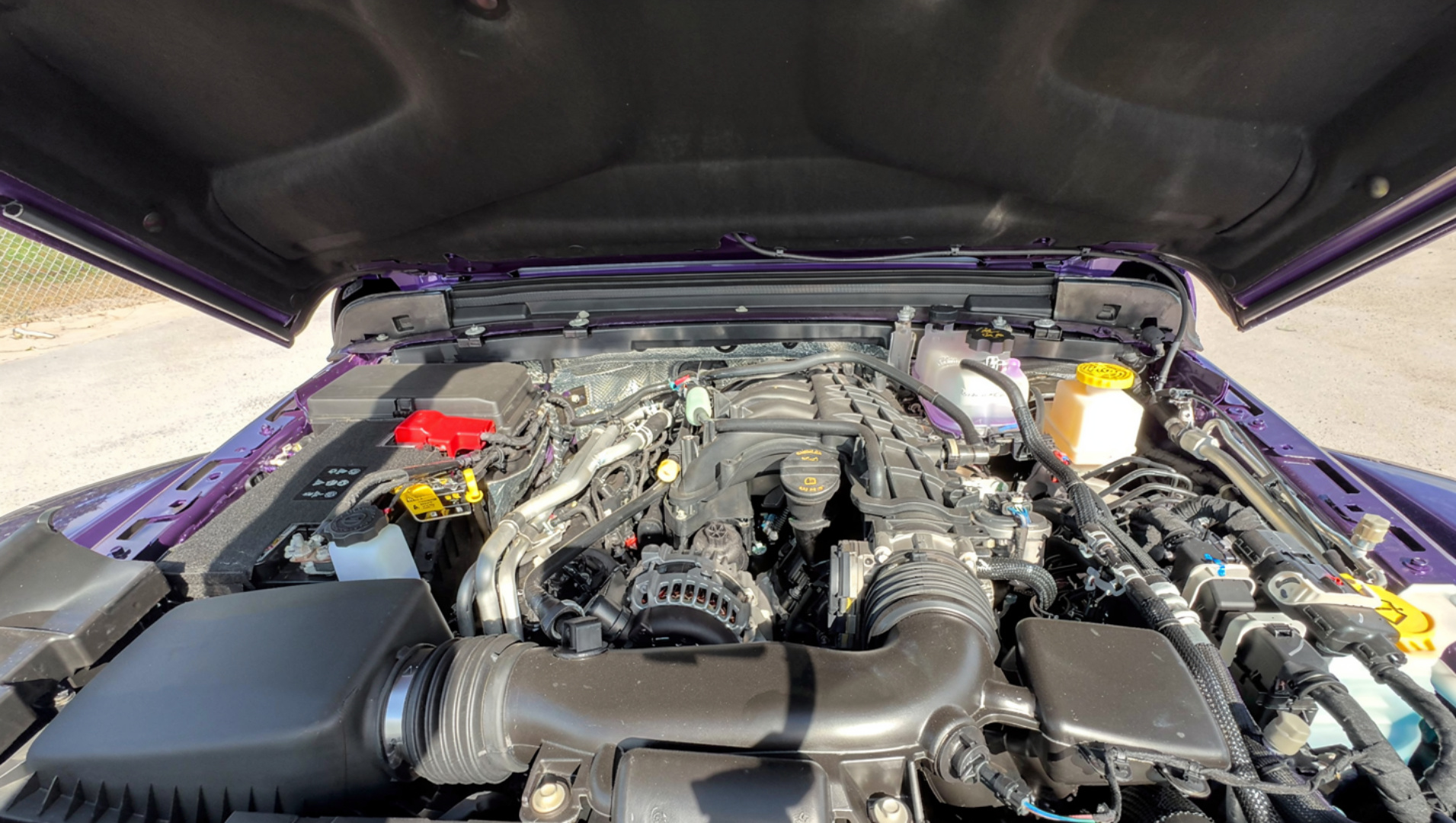
More consequential, however, is what’s been removed. The diesel option is gone, and by 2025, so too is the manual transmission. What remains is the familiar 3.6-liter Pentastar V6, producing 285 horsepower and 260 lb-ft of torque, paired exclusively with an 8-speed automatic. In isolation, it’s a competent setup—delivering 0–60 mph in the low-seven-second range—but within a $50,000+ truck, it begins to feel conservative rather than compelling.
Hardware That Defines the Mojave
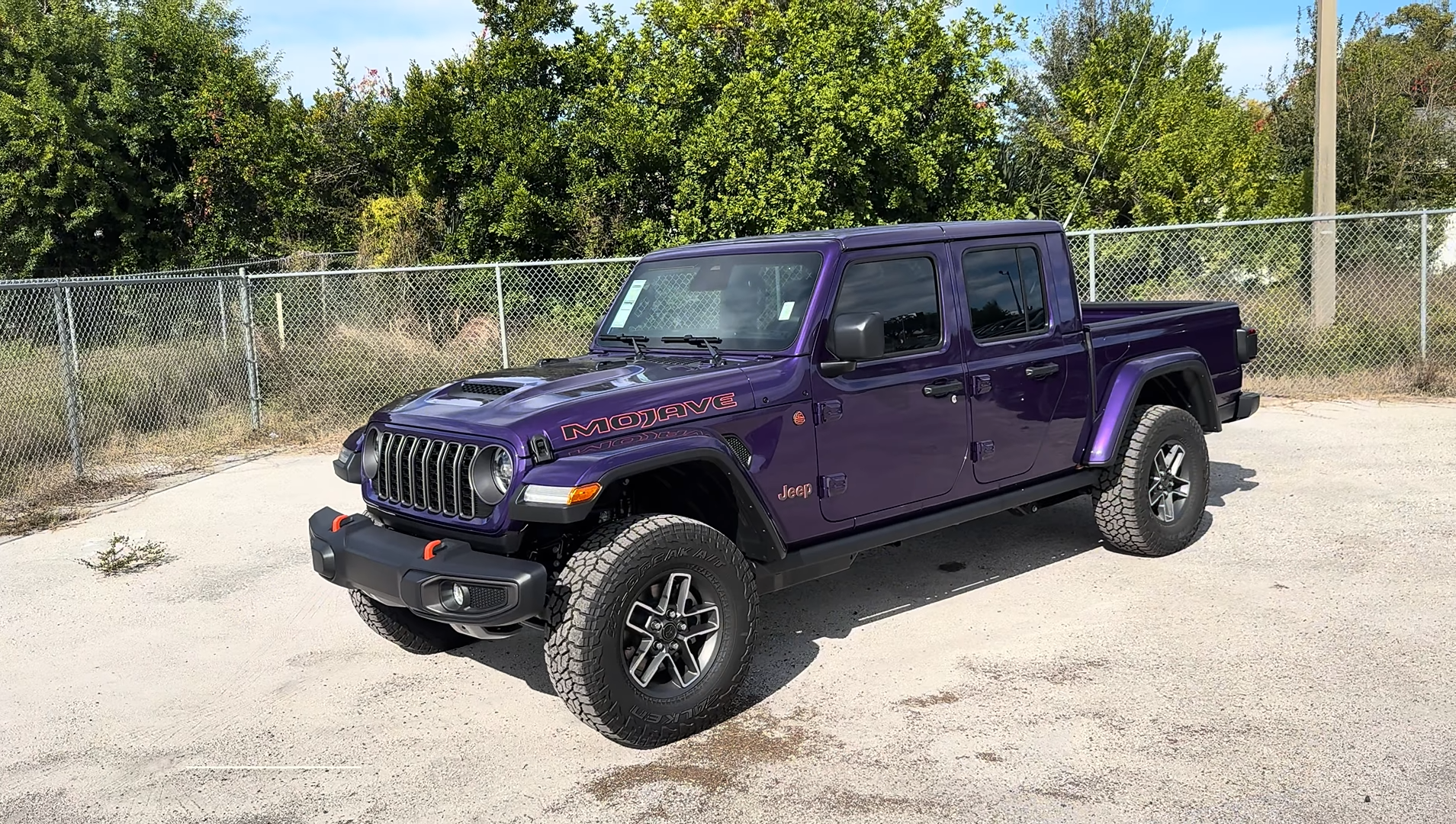
What truly distinguishes the Mojave is its suspension architecture. Fox 2.5-inch internal bypass shocks, tuned specifically for high-speed off-road use, transform the Gladiator’s character. Unlike the Rubicon—engineered for low-speed rock crawling with front and rear locking differentials—the Mojave thrives on momentum. It absorbs large impacts with composure, encouraging drivers to maintain speed over rough terrain rather than crawl through it.
Complementing this setup are 33-inch Falken Wildpeak all-terrain tires, reinforced skid plates, Dana 44 axles, and Jeep’s part-time four-wheel-drive system. The result is a truck that feels most at home on desert trails, fire roads, and fast-moving dirt paths—environments where traditional off-roaders begin to feel unsettled.
Interior Practicality vs. Price Creep
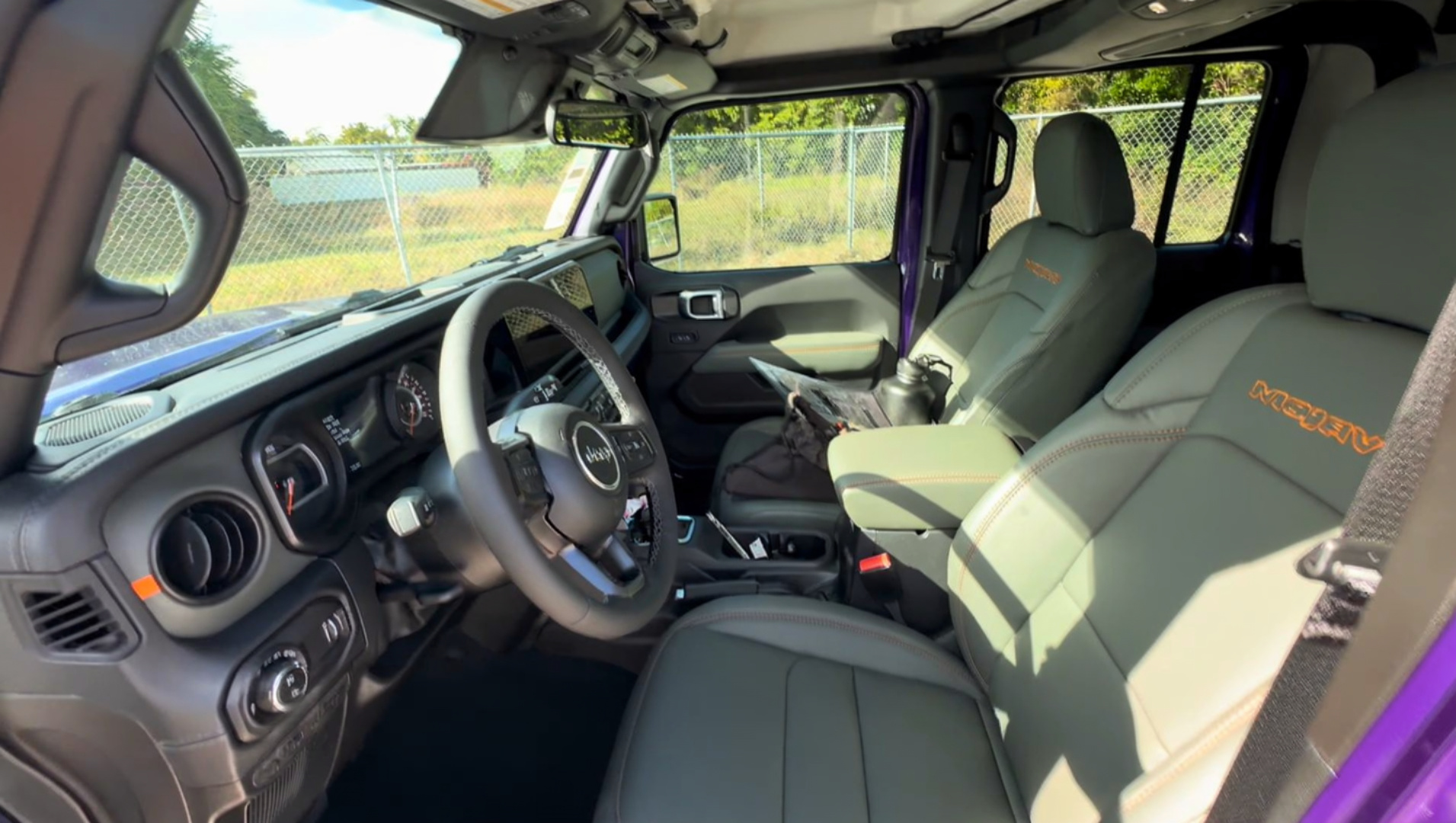
Inside, the Gladiator Mojave balances rugged intent with incremental luxury. Materials are improved—soft-touch surfaces, leather seating options, and contrast stitching—but still fall short of segment leaders in perceived quality. Practicality, however, remains a strength: removable doors and roof, a configurable rear bench with hidden storage, and a functional five-foot bed reinforce its dual-purpose nature.
Yet pricing is where friction emerges. A base MSRP around $52,000, easily climbing past $60,000 with options, places the Mojave in competition with more refined and powerful alternatives. Jeep mitigates this somewhat through aggressive dealer incentives, but the value proposition depends heavily on how much buyers prioritize off-road capability over on-road polish.
On-Road Behavior: Better, Not Perfect
Despite its solid front and rear axles—a setup typically associated with compromised handling—the Mojave delivers surprisingly composed road manners. Steering is direct, ride quality is notably improved over other Gladiator trims, and road noise from the all-terrain tires is well controlled.
Still, physics remains undefeated. At highway speeds, there’s a subtle “wander” inherent to the platform, and body roll is evident in corners. It’s not a dealbreaker, but it reinforces the Mojave’s identity: this is an off-road truck that tolerates pavement, not the other way around.
Verdict: Purpose-Built Excellence with Trade-Offs
The 2026 Gladiator Mojave is not trying to be everything to everyone—and that’s precisely its strength. For buyers who prioritize high-speed off-road performance, few vehicles in this segment deliver the same level of engineered intent straight from the factory.
However, that specialization comes at a cost: a dated powertrain, rising prices, and on-road compromises that rivals have largely engineered out. The decision ultimately mirrors Jeep’s own internal divide—choose the Mojave for speed and suspension mastery, or the Rubicon for technical terrain dominance.
Either way, the Gladiator remains one of the last truly analog, modular, and enthusiast-focused trucks on sale today—and in an increasingly homogenized market, that alone may be its most compelling feature.
Source: W.T.F Car Reviews